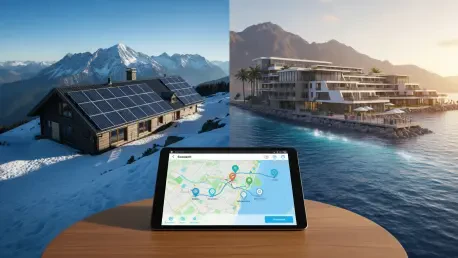

California’s geography offers a rare opportunity to experience diverse climatic extremes within a single day, a feature that now serves as the anchor for the state’s latest tourism development framework. This strategy capitalizes on the proximity of the snow-capped Sierra Nevada mountains to the sun-drenched Pacific coastline, marketing the “Surf and Ski” lifestyle to a global audience seeking high-intensity variety. By focusing on the seamless integration of these disparate environments, officials aim to increase the average length of stay and boost per-capita spending across multiple regions. The initiative is supported by a significant overhaul of digital infrastructure, which provides travelers with real-time data to navigate shifting weather patterns and transit schedules. This approach reflects a broader trend toward experiential travel, where the destination is defined not by a single location but by the unique transitions and activities available within a compact timeframe.
Seamless Transitions: The Logistics of Dual-Climate Travel
Integrated Mobility: High-Speed and Autonomous Corridors
The physical backbone of this strategy involves the expansion of high-speed transit corridors that connect major mountain resorts directly to coastal hubs with unprecedented speed and efficiency. State planners have prioritized the deployment of hydrogen-powered rail units and dedicated autonomous vehicle lanes to ensure that the journey between the peaks and the beaches remains predictable and stress-free. These transit improvements are designed to bypass traditional highway congestion, allowing tourists to maximize their time on the slopes or in the water rather than in traffic. By coordinating the schedules of regional shuttles with long-distance rail, the state has created a “hub-and-spoke” model that simplifies movement across varied terrains. This logistical achievement is not merely about speed; it is about providing a reliable, low-carbon alternative to private car travel, which has long been a barrier to multi-region itineraries. The resulting system serves as a model for modern connectivity.
Complementing the hardware of transit is a robust luggage-forwarding network that allows travelers to move between environments without the burden of transporting specialized gear. This service enables a visitor to check their skis at a mountain lodge in the morning and find them waiting at their coastal hotel by evening, or vice versa for surfing equipment. Such a service-oriented approach removes the friction of “gear heavy” sports, making the dual-climate experience accessible to international travelers who may not have the capacity to manage large amounts of equipment. Local businesses have integrated these logistics into their booking platforms, offering “all-access” passes that include transit, gear rental, and storage in a single transaction. This level of coordination between private vendors and public infrastructure demonstrates the sophistication of the current tourism model. As a result, the state has seen a marked increase in multi-city bookings among tech-savvy demographics.
Smart Planning: Leveraging Real-Time Data and Analytics
Digital tools play a crucial role in managing the complexities of a trip that spans different ecosystems, with a new state-sponsored application providing the necessary guidance. This platform utilizes a network of advanced sensors and satellite imagery to deliver hyper-local weather updates, snow quality reports, and surf conditions directly to the user’s mobile device. By applying predictive algorithms, the software can suggest the optimal time to transition from the mountains to the coast based on current traffic and environmental factors. This allows travelers to make dynamic adjustments to their plans, ensuring they always experience the best conditions possible in each location. The application also integrates with local hospitality providers to offer last-minute deals and reservations, helping to fill capacity during off-peak hours. This data-driven approach transforms the traveler from a passive observer into an active participant in their itinerary, fostering a deeper connection with the diverse landscapes.
Furthermore, the digital infrastructure includes an augmented reality feature that helps visitors navigate the complex terrain of mountain resorts and coastal boardwalks. By overlaying digital information onto the physical world, the app provides directions to the nearest shuttle stop, details about local history, and information on environmental conservation efforts. This educational component is designed to enhance the visitor’s appreciation for the natural beauty of the state while promoting responsible tourism practices. The platform also serves as a communication hub, providing safety alerts and emergency information in multiple languages to ensure the well-being of a global visitor base. By prioritizing accessibility and safety through technology, California has created a tourism environment that feels both high-tech and welcoming. The success of this digital gateway is reflected in the high rates of user engagement and the positive feedback from international travel agencies who praise the system’s intuitive design.
Sustainable Operations: Future-Proofing the Tourism Industry
Renewable Infrastructure: Powering the Modern Resort Experience
Environmental stewardship is at the heart of the new tourism strategy, with a focus on decarbonizing the operations of major resorts and surrounding communities. Many of the state’s premier mountain destinations have transitioned to 100 percent renewable energy, utilizing onsite solar arrays and wind turbines to power everything from ski lifts to lodge heating systems. These resorts also employ advanced battery storage technologies to manage energy fluctuations, ensuring a steady power supply even during extreme weather events. By reducing the carbon intensity of winter sports, the state is addressing the long-term threat of climate change while appealing to a growing segment of eco-conscious travelers. This transition has been supported by state-level incentives that encourage private investment in green infrastructure, creating a competitive market for sustainable technology. The resulting reductions in greenhouse gas emissions are a testament to the industry’s commitment to preserving the very snow and surf that drive its success.
In coastal regions, the focus on sustainability extends to marine conservation and the protection of biodiversity through the implementation of smart water management systems. Resorts and hotels along the shoreline have adopted zero-waste protocols and advanced water recycling technologies to minimize their impact on the surrounding ocean environment. These efforts are complemented by the use of “blue energy” technologies, such as wave energy converters, which provide a reliable source of clean power for coastal infrastructure. By integrating these environmental protections into the visitor experience, the state reinforces the idea that luxury and sustainability are not mutually exclusive. Travelers are encouraged to participate in citizen science programs and coastal restoration projects, providing them with a sense of purpose and contribution during their stay. This holistic approach to environmental management ensures that the state’s natural assets remain vibrant and productive, supporting a thriving tourism industry for decades.
Economic Balance: Distributing Wealth Across Regional Communities
One of the primary goals of the current strategy is to ensure that the economic benefits of tourism are shared more equitably across rural and inland communities. By encouraging travelers to move between the mountains and the coast, the state creates opportunities for businesses located in the corridors between these destinations to thrive. Small towns that once served merely as transit points are now becoming destinations in their own right, offering unique agricultural experiences, boutique shopping, and local dining that highlight the diversity of the region. This corridor economy is supported by targeted marketing campaigns that showcase the cultural and culinary richness of the Central Valley and other inland areas. By spreading the visitor load, the state reduces the pressure on overcrowded hotspots while providing a vital economic boost to previously underserved populations. This diversification of the tourism portfolio is essential for long-term stability and resilience, as it reduces the dependence on any single destination.
To support this economic shift, the state has launched a series of workforce development initiatives aimed at preparing local residents for high-skill roles in the evolving tourism sector. These programs focus on the technical and managerial skills needed to operate the sophisticated infrastructure and digital platforms that now define the visitor experience. From data analysts and green tech technicians to hospitality managers specializing in sustainable practices, the next generation of tourism workers is being equipped to lead the industry forward. By providing these educational opportunities, the state is creating a pipeline of talent that will drive innovation and maintain the high standards of service that travelers expect. Furthermore, these initiatives promote social mobility and provide stable, well-paying careers for residents in both urban and rural areas. This focus on human capital is the ultimate guarantee of the strategy’s success, as it ensures that the people who live in these regions are the primary beneficiaries of the growth.
Strategic Outcomes: Evaluating the Impact of the Framework
The implementation of the integrated tourism strategy provided a clear roadmap for balancing economic growth with environmental responsibility across the state. Stakeholders successfully prioritized the development of interoperable transit systems and digital tools that streamlined the visitor journey, effectively eliminating the silos between mountain and coastal regions. By anchoring these developments in a framework of sustainability, the state effectively mitigated environmental risks while enhancing its appeal to a global audience. These actions resulted in a more resilient economic landscape, where the benefits of tourism were distributed more broadly across diverse geographic regions. Moving forward, it is essential for stakeholders to continue investing in the maintenance of high-speed transit corridors and the refinement of real-time data platforms to stay ahead of evolving traveler expectations. Further exploration into decentralized energy solutions for remote resorts will be a critical next step in ensuring long-term operational stability and environmental protection.