
The Deuti Bajai Temple offers a unique social perspective because its primary priests are drawn from the indigenous Raji community rather than traditional groups. This deviation from conventional priestly lineages marks Birendranagar as a place where ancient social hierarchies are quietly being redefined through religious practice. As the administrative capital of Karnali Province, the city is currently undergoing a significant transformation, pivoting from its historical role as a logistical stopover into a premier destination for spiritual and archaeological tourism. This shift is driven by a strategic effort to showcase a region that has long remained in the shadow of more famous Himalayan circuits. By integrating rigorous historical preservation with modern infrastructure, the city aims to attract a global audience seeking an authentic pilgrimage experience. The landscape of 2026 reveals a burgeoning cultural hub that balances its rugged accessibility with a profound sense of sacred history and local pride.
Unearthing the Architectural Legacy of Kakre Vihar
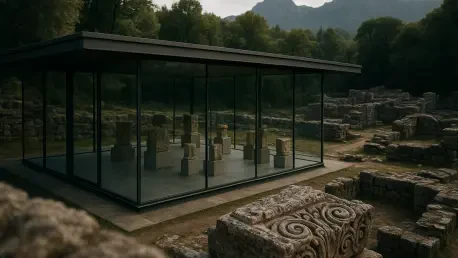
The revitalization of the region’s tourism sector is anchored by the ancient Buddhist heritage site of Kakre Vihar, located within the sprawling Surkhet Valley. This 12th-century archaeological marvel features a unique “shikhar” style stone architecture that distinguishes it from the more familiar brick-and-mortar stupas found in the Kathmandu Valley. For centuries, the site’s intricate carvings and massive stone blocks remained largely buried under dense forest vegetation, but recent restoration efforts have begun to reveal its former architectural grandeur to the world. These ruins serve as a silent testament to the sophisticated engineering and artistic capabilities of the Khas Empire, which once dominated this rugged terrain. Today, visitors can witness the meticulous process of reconstruction where each stone is being repositioned with forensic precision. The site not only offers a glimpse into a forgotten era but also serves as an active research ground for archaeologists.
The stone carvings found at Kakre Vihar are renowned for their aesthetic diversity, showcasing motifs that range from elegant peacocks to complex geometric designs. Significantly, the site displays a rare religious synthesis, with depictions of Buddhist figures appearing alongside Hindu deities such as Saraswati and Vishnu. This fusion reflects a historical period of deep cultural harmony between faiths, a characteristic that remains a defining element of Nepalese spiritual identity in 2026. To protect these fragile artifacts from environmental damage like weathering and modern pollution, the Department of Archaeology has initiated the development of a modern heritage museum on-site. This initiative seeks to transform the ruins into a structured educational center where visitors can learn about the complex craftsmanship of the Karnali region. By formalizing the site’s preservation, the government is establishing Kakre Vihar as a cornerstone of the province’s appeal.
Connecting Faith and Nature Through a Pilgrimage Circuit
The regional tourism vision extends beyond a single monument by promoting a holistic “spiritual circuit” that links various sites of faith and natural beauty across the valley. Central to this route is the Deuti Bajai Temple, a site of immense local importance where the inclusion of Raji priests provides travelers with a rare insight into the intersection of marginalized indigenous identities and mainstream religious practices. This connection creates a deeper narrative for the modern pilgrim, who is often looking for more than just a photo opportunity. The circuit is designed to foster a sense of continuity between the ancient ruins of Kakre Vihar and the living traditions found at active temples. In 2026, the focus has shifted toward creating a seamless journey where the transition between historical inquiry and active devotion is fluid. This strategy is proving successful as domestic and international travelers alike begin to recognize the spiritual depth.
By connecting Kakre Vihar with the Deuti Bajai Temple and the serene, spring-fed Bulbule Tal lake, Birendranagar provides a multifaceted experience for seekers and pilgrims. Local travel agencies are supporting this circuit by developing comprehensive packages that include eco-conscious accommodations and meditation sessions led by experienced practitioners. This approach effectively bridges the gap between ancient traditions and the high expectations of modern hospitality, ensuring that comfort does not come at the cost of authenticity. The lake area itself has been refurbished to provide quiet spaces for reflection, further enhancing the spiritual atmosphere of the city. As these sites become more integrated, the narrative of Birendranagar as a center for healing and mindfulness grows stronger. The synergy between the natural environment and sacred architecture creates a unique micro-climate for spiritual tourism that is difficult to replicate in more urbanized centers.
Fostering Sustainable Economic Growth Through Community
A core pillar of Karnali’s tourism strategy is ensuring that financial benefits reach local households directly through community-led initiatives rather than being siphoned off by large corporations. The local Tharu community has established cooperatives to showcase their vibrant heritage through traditional dance performances and culinary workshops, reinvesting the revenue into local infrastructure projects. These grassroots efforts ensure that tourism development serves as a tool for broader social empowerment and long-term economic stability. By taking ownership of the tourism narrative, local residents are able to preserve their customs while adapting to the influx of visitors. This model of community-based tourism is becoming a blueprint for other provinces in Nepal as they look to develop their own niche markets. In 2026, the success of these cooperatives is visible in the improved public facilities and educational programs that are funded directly.
Homestay programs in the villages surrounding Birendranagar allow visitors to live with local families, fostering deep cultural exchange while providing residents with a steady, reliable income. Furthermore, the expansion of the tourism sector is creating new career paths for local youth who are trained as certified guides, environmental stewards, and hospitality staff. By investing heavily in human capital, the region is actively working to reduce out-migration and build a self-sustaining tourism economy that can thrive for decades. This social investment is crucial, as it transforms the local population from passive observers into active stakeholders in the city’s success. The pride taken in sharing local stories and traditions has revitalized many communities that were previously overlooked. As a result, the social fabric of the Surkhet Valley is being strengthened, creating a welcoming and safe environment for travelers who wish to experience the true heart of western Nepal.
Navigating the Cultural and Practical Landscape of Surkhet
Travelers visiting the Surkhet Valley are encouraged to embrace the local culinary heritage, which includes nutritious staples like “Dhindo” and “Gundruk.” Another highlight is the regional Marsi rice, a unique red variety from the high-altitude fields of Jumla known for its distinct flavor and high nutritional value. Engaging with the local food culture provides an additional layer of immersion for those exploring the province’s spiritual and natural landmarks. The farm-to-table movement is gaining significant traction here, with many restaurants in Birendranagar sourcing ingredients exclusively from nearby organic farms. This focus on traditional diet not only supports local farmers but also offers visitors a healthy and authentic taste of the Karnali lifestyle. In 2026, the culinary scene has become a major draw in its own right, with food tours now being integrated into the broader spiritual pilgrimage experience, linking physical nourishment with spiritual growth.
Logistically, the region is becoming more accessible, with Surkhet Airport serving as the primary gateway for frequent flights arriving from the capital, Kathmandu. While the city offers a reliable network of auto-rickshaws for easy movement, visitors should be mindful of cultural etiquette, such as dressing modestly and practicing clockwise circumambulation at all shrines and stupas. Respecting the privacy of local devotees and the sanctity of sacred spaces is essential for maintaining the harmony of this emerging spiritual hub. The local government has also improved signage and visitor information centers to help travelers navigate the valley with ease. As infrastructure continues to develop from 2026 to 2028, the emphasis remains on maintaining a balance between modernization and the preservation of the city’s peaceful atmosphere. Simple acts of cultural sensitivity ensure that the relationship between the visitor and the host community remains one of mutual respect.
The Next Phase: Implementing Long Term Strategies for Cultural Resilience
The transformation of Birendranagar into a spiritual destination was achieved through a multi-year commitment to heritage conservation and inclusive policy-making. By the middle of 2026, the provincial government had successfully integrated the various archaeological sites into a unified digital map, making it easier for global travelers to plan their routes. Previous attempts to boost tourism often focused solely on infrastructure, but the shift toward cultural storytelling and community involvement proved to be the decisive factor in this region’s recent success. The restoration of Kakre Vihar provided a physical anchor for this new identity, while the empowerment of indigenous groups like the Raji and Tharu added a layer of human depth that attracted a more conscious type of traveler. Local authorities recognized that the city’s greatest asset was its authentic, unpolished heritage, which stood in stark contrast to the commercialized tourism seen in other regions.
Moving forward, the focus must shift toward maintaining the delicate balance between increased visitor numbers and the environmental integrity of the Surkhet Valley. Actionable steps include the implementation of a mandatory heritage fee for international visitors, which should be directed toward a dedicated fund for the ongoing maintenance of stone artifacts at Kakre Vihar. Furthermore, expanding the training of local guides to include specialized archaeological knowledge will ensure that the historical narrative remains accurate and engaging. Strengthening the partnership between the Department of Archaeology and local community leaders will be vital to prevent the over-commercialization of sacred spaces. By prioritizing sustainable practices and authentic cultural representation, Birendranagar can secure its position as a world-class spiritual hub. The path established between 2026 and 2030 will determine whether the city can maintain its soulful charm while meeting the logistical demands.