
The narrow, cobblestone streets of Girona have long echoed with the footsteps of visitors, but the current shift toward deep cultural immersion suggests a fundamental change in how international travelers engage with the Mediterranean landscape. This evolution is driven by a growing desire for authenticity that goes beyond the superficial sightseeing typical of previous decades, prompting a migration from the crowded urban centers of Barcelona toward the rugged terrains of the Pyrenees and the serene vineyards of the Priorat region. As regional authorities implement stricter regulations on mass tourism, the focus has pivoted toward experiences that allow for a meaningful exchange between locals and guests. This transition is not merely about finding quieter locations but about fostering a deeper understanding of the Catalan identity through shared activities and direct participation in historical traditions. By prioritizing quality over quantity, the tourism sector aims to create a sustainable model that benefits both the environment and the local community, ensuring that the essence of the culture remains intact.
Strategic Shifts in Regional Development
The Integration: Regenerative Agrotourism
Within the volcanic landscapes of the Garrotxa region, a new form of regenerative agrotourism has emerged, offering travelers the chance to participate in the restoration of traditional farming ecosystems. These programs allow guests to work alongside local farmers, engaging in tasks such as ancient olive grove maintenance or the production of artisanal cheeses using traditional methods. This hands-on approach serves a dual purpose: it provides an alternative source of income for rural families while educating visitors on the complexities of Mediterranean agriculture. Unlike the passive observation seen in standard farm stays, these experiences emphasize active contribution, where travelers assist in carbon sequestration projects and biodiversity conservation efforts unique to the northeastern Iberian Peninsula. The success of this model has led to a significant increase in the preservation of heritage crops and a revitalization of depopulated villages, proving that tourism can be a powerful catalyst for rural development. By embedding visitors into the daily rhythms of local life, the region is effectively redefining what it means to explore a destination sustainably.
High-Tech Heritage: Digital Infrastructure in Remote Sites
The expansion of high-speed 5G networks into once-isolated mountain villages has facilitated a new wave of long-term travel, enabling digital professionals to integrate into local societies without sacrificing connectivity. Remote towns such as Siurana have seen a surge in interest from global workers who seek a balance between professional productivity and cultural enrichment. Local municipalities have responded by converting historical buildings into co-working hubs that maintain the architectural integrity of the region while providing modern technological amenities. This digital transformation allows for a more consistent economic flow throughout the year, mitigating the seasonal fluctuations that traditionally plagued rural tourism. Moreover, the integration of smart-heritage applications provides visitors with real-time insights into the history of medieval structures through augmented reality, offering a sophisticated layer of education that complements the physical exploration of the sites. These technological advancements ensure that even the most secluded areas remain accessible and relevant, bridging the gap between ancient history and the digital age in a way that respects the local context.
Authentic Engagement and Local Economy
Culinary Arts: Gastronomy as a Cultural Bridge
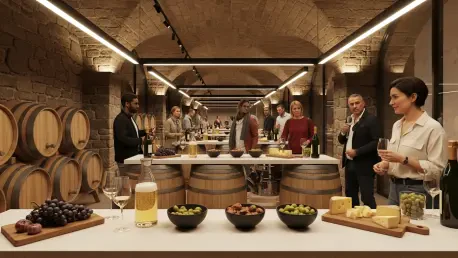
Culinary tourism in Catalonia has evolved from simple restaurant visits into comprehensive educational journeys that highlight the region’s diverse terroir and historical influences. In the Penedès wine region, for instance, visitors now engage in intensive harvesting workshops that explain the intricate relationship between soil health and the traditional methods used in Cava production. These programs are designed by local cooperatives to demystify the winemaking process, inviting participants to understand the socio-economic importance of the vineyard to the Catalan identity. Similarly, cooking schools in coastal towns like Palamós focus on the sustainable sourcing of seafood, teaching travelers about the history of Mediterranean maritime cuisine and the “Llotja” fish auctions. This shift toward gastro-education ensures that the consumption of food becomes an act of cultural preservation, as travelers learn to value the craftsmanship and environmental stewardship required to produce world-class local ingredients. By positioning the kitchen as a classroom, the tourism industry fosters a profound respect for local resources, encouraging visitors to advocate for sustainable food systems.
Social Foundations: Participatory Traditions and Community Fabric
The practice of building “Castells,” or human towers, remains a cornerstone of Catalan communal identity, and its integration into the tourism experience provides a unique window into the region’s social values. Rather than viewing these displays from a distance, visitors are now encouraged to attend the rehearsals of local “colles,” where they can witness the teamwork, trust, and physical discipline required for this UNESCO-recognized tradition. This participatory model provides a nuanced understanding of “força, equilibri, valor i seny”—the strength, balance, courage, and common sense that define the towers and, by extension, the local spirit. During major festivals, the involvement of travelers as informed observers helps to distribute the cultural impact more evenly across the calendar year. This engagement prevents the commodification of sacred traditions by ensuring that the primary focus remains on community building rather than performance. As a result, the visitor becomes a temporary member of the social fabric, contributing to the longevity of these customs through respectful engagement and financial support for local cultural associations.
The Path Forward: Sustaining Cultural and Ecological Balance
The transition toward a model centered on cultural immersion provided a clear roadmap for balancing economic growth with the preservation of local identity and environmental health. Policy decisions made by regional planners favored the development of decentralized infrastructure, which successfully diverted traffic from oversaturated landmarks to the diverse landscapes of the interior. Investment in educational tourism and heritage conservation emerged as the most effective way to ensure that visitors contributed positively to the communities they explored. It was determined that the focus must remain on scaling these regenerative practices to other regions, ensuring that the lessons learned from the Catalan experience were applied to global travel standards. Strengthening the partnerships between local artisans and travel agencies was essential for maintaining the authenticity of these experiences. Authorities continued to monitor the impact of digital integration to prevent the displacement of local residents in revitalized villages. Ultimately, the success of this shift demonstrated that deep engagement with a culture’s roots was the most sustainable way to secure the future of travel.