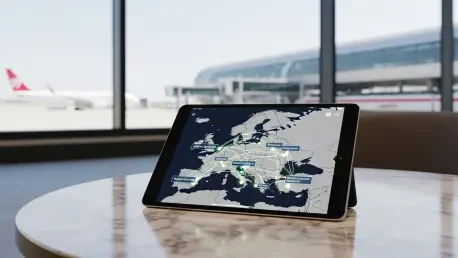

The realization that a single loyalty currency can bridge the gap between long-haul luxury aviation and high-speed continental rail networks marks a significant turning point for modern travelers who prioritize seamless connectivity across diverse modes of transportation. This evolution reflects a broader industry shift where airlines are no longer just operators of aircraft but comprehensive logistics providers for the global elite. By expanding the utility of Skywards Miles, Emirates has effectively transformed its frequent flyer program into a versatile travel wallet that facilitates transitions from the first-class cabin of an Airbus A380 to the sleek interior of a high-speed train in minutes. This strategy addresses a common pain point for international travelers who often find themselves navigating disparate booking systems and currency exchanges upon arrival in Europe. Instead of treating flight and rail journeys as disconnected events, the program offers a unified digital ecosystem where points are the tender for trips.
Skywards Rail Integration
The implementation of this initiative relies heavily on deep technical integration between the Emirates booking engine and the reservation systems of major European rail operators such as Deutsche Bahn and Trenitalia. Travelers can now access the Skywards portal to redeem miles for tickets on high-speed lines, effectively treating a journey from Frankfurt to Berlin or Rome to Milan as an extension of their international flight. This synergy is particularly beneficial for those arriving at major hubs where the transition from airport terminal to train station is physically optimized. Furthermore, the partnership includes access to premium lounges at railway stations, mirroring the ground experience that business class passengers expect from an airline. By leveraging existing infrastructure, the program provides a level of continuity that was previously reserved for codeshare connections. This move signals a recognition that the last mile of a journey is as critical as the transcontinental flight across the ocean.
Beyond the mere convenience of booking, the financial logic behind redeeming miles for rail travel offers a unique proposition for members looking to maximize the value of their accumulated points. While flight redemptions often involve significant taxes and surcharges that must be paid in cash, rail bookings typically carry fewer administrative fees, making the cost in miles more transparent. This allows users to burn smaller balances of miles that might otherwise expire or be insufficient for a long-haul flight upgrade. The system uses a dynamic pricing model that adjusts the mile requirements based on the current market price of the train ticket, ensuring that travelers get a fair exchange rate relative to the cash value. Additionally, this flexibility encourages frequent flyers to explore smaller European cities that are not served by major airports but are accessible via the dense rail grid. This shift ensures the loyalty program remains relevant for all the destination categories.
Strategic Intermodality
From a sustainability perspective, the ability to fund rail travel with airline miles encourages a more environmentally conscious approach to regional transit within Europe. Instead of booking short-haul connecting flights that contribute disproportionately to carbon emissions, travelers are incentivized to choose high-speed rail, which is often faster and more efficient for distances under 500 miles. This strategic alignment helps the aviation industry meet increasingly stringent environmental regulations while maintaining a high standard of service for its passengers. The integration also serves as a hedge against the rising costs of traditional short-haul aviation, which faces pressure from carbon taxes and saturated airspace. By redirecting passengers to the tracks, the industry creates a more resilient travel network that can absorb disruptions in the air while still delivering passengers to their destinations. This approach fundamentally redefined the relationship between air and rail travels.
The decision to integrate rail redemptions into a premier loyalty program proved to be a decisive move that reshaped how luxury travelers planned their European itineraries during the mid-2020s. Travelers who leveraged this system found that they could bypass the complexities of local ticket machines and varying regional payment apps, opting instead for the familiarity of their Skywards account. To optimize this experience, it became essential for users to monitor the exchange rates within the app, as peak travel seasons often saw fluctuations in the mileage required for popular routes like the Paris-to-London Eurostar. Early adopters of this intermodal strategy recommended booking rail segments well in advance to secure the best value, much like one would for a traditional flight. The success of this initiative demonstrated that the future of travel loyalty lay in flexibility and the removal of traditional boundaries. This shift set a very high industry standard for all providers.