
The narrative that Hong Kong is merely a concrete labyrinth is rapidly dissolving as high-value travelers begin to favor a more deliberate and expansive engagement with its hidden landscapes. This paradigm shift indicates a departure from the traditional 48-hour layover model that has dominated the region for decades. Instead, visitors are exploring a philosophy that values depth of experience over the breadth of a checklist. By extending their residencies, tourists are uncovering a territory where rugged wilderness and layered history coexist with the iconic skyline, offering a profound contrast to the city’s notorious high-speed reputation.
The Evolution of a Global Hub: From Transit Point to Immersive Destination
To understand this shift, one must examine the city’s historical development from a colonial trade outpost to a premier global financial center. The vertical expansion of the urban core was a necessity of terrain, leaving significant portions of the territory undeveloped and pristine. This compact urban design now provides a unique competitive advantage for the modern tourism sector. As global priorities lean toward sustainability, the city’s proximity to nature is being leveraged as a core asset, transforming the destination’s image from a purely commercial hub into a holistic sanctuary for the slow traveler.
The Dual Identity of the Modern Traveler
The Surprising Proximity of the Great Outdoors
The transition from glass skyscrapers to lush forest canopies occurs with an efficiency that is almost unique among global megacities. In districts such as Wan Chai, the urban front door opens almost directly onto trail networks that offer expansive hillside vistas. These pathways allow for a seamless integration of physical wellness into a metropolitan visit. Staying longer enables guests to achieve a restorative balance, moving from sunrise birdwatching to sophisticated urban exploration within the same morning, a feat rarely possible in other major Asian hubs.
Cultivating Cultural Depth Through Heritage and Community
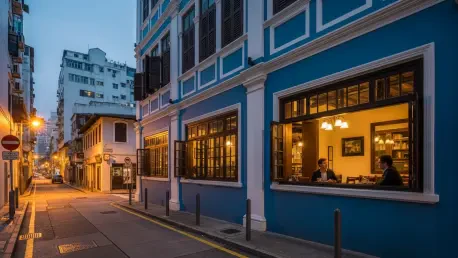
Beyond the retail centers, a more intimate history thrives in the preservation of heritage sites like the Blue House and the old Wan Chai Post Office. Longer stays facilitate deeper engagement with local communities and traditional artisans who maintain the neighborhood’s authentic character. This approach allows travelers to witness the cultural “ghosts” that define the city’s literary and cinematic legacy. It requires a patient mindset, trading the efficiency of mass transit for the discovery of hidden temples and quiet tea houses tucked away from the main thoroughfares.
The Shift in Hospitality and Extended-Stay Incentives
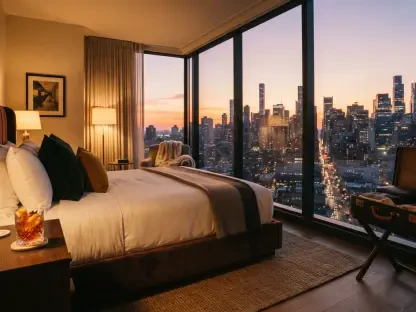
The hospitality sector is responding to these trends by incentivizing longer residencies through structured financial rewards. Programs such as “Stay Longer With Us” reflect a strategic pivot toward depth of engagement rather than high guest turnover. These initiatives provide access to refined dining and curated local guides, ensuring that a hotel like The Hari Hong Kong serves as a gateway to the community. Luxury is now being measured by the quality of access and the gift of time rather than just material amenities.
The Future of Travel: Prioritizing Connection and Nature
Recent market data indicates a sustained preference for itineraries that incorporate outdoor activities and significant cultural immersion. This trend is expected to catalyze further investment in eco-tourism infrastructure and digital navigation tools for the city’s extensive trail systems. The industry is moving away from its reliance on luxury shopping, focusing instead on a hybrid model of urban-nature fusion. Expert projections suggest that the ability to offer tranquility within a high-density environment will be the primary driver of growth in the coming years.
Practical Strategies for the Slow Traveler
To maximize this experience, travelers are encouraged to select a home base in a historic district and commit to a minimum of five days. Strategic planning should involve a “multi-layered” approach, pairing rigorous outdoor excursions with sophisticated culinary experiences at venues like Zoku or Lucciola. This balance ensures that the physical intensity of the landscape is tempered by the refined comfort of modern hospitality. Utilizing extended-stay packages not only improves the value proposition but also allows for a more relaxed, non-linear exploration of the city’s diverse geography.
Reimagining the Urban Jungle
The analysis of recent travel patterns demonstrated that slow travel successfully redefined the urban jungle as a space of profound cultural and natural depth. Stakeholders observed that the most successful strategies integrated high-end lifestyle services with the city’s unique geography. It was concluded that the future of the market depended on maintaining this balance between development and preservation. For the modern explorer, the real value of the destination resided in the quietude of the hillsides just as much as the energy of the streets.