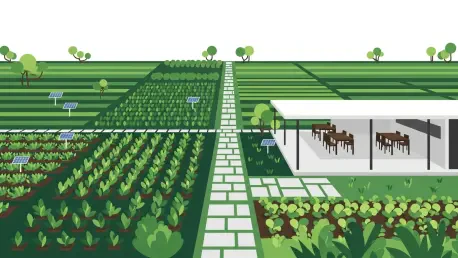

The lush volcanic landscapes of Bali are currently witnessing a profound structural shift that transcends mere aesthetics, as the island pivots toward a sophisticated model of high-end organic culinary tourism. This strategic transition is not merely a response to global environmental trends but a calculated effort to safeguard the island’s unique cultural heritage while fostering a premium travel experience. By integrating traditional agricultural wisdom with modern ecological standards, Bali is redefining what it means to be a global destination for discerning travelers. The provincial government has moved aggressively to align the interests of local farmers with those of the international hospitality industry, creating a synergy that benefits both the soil and the economy. As visitors increasingly seek authenticity and health-conscious offerings, the island’s commitment to chemical-free production serves as a powerful differentiator. This evolution positions Bali as a leader in sustainable development within the region.
Legislative Framework: The Push Toward Organic Systems
The institutionalization of organic practices has been a primary driver of this movement, specifically through the rigorous application of Bali Provincial Regulation Number 8 of 2019. In the current landscape of 2026, these mandates have moved beyond simple guidelines to become the cornerstone of the island’s agricultural identity. By phasing out synthetic pesticides and herbicides, the government has successfully initiated a restoration of soil biodiversity that had been compromised by decades of intensive chemical farming. This legislative push ensures that every step of the food supply chain, from the initial planting of seeds to the final presentation on a restaurant table, adheres to strict ecological protocols. The transition is supported by a series of governor-level regulations that provide technical guidance and financial incentives for smallholder farmers to seek official organic certification. Such a structured approach provides the legal certainty needed for large-scale investment in the local food sector.
Furthermore, the economic implications of these regulations are transformative for the local agrarian community. By establishing a clear standard for organic produce, the province allows farmers to command premium prices that were previously unattainable in the commodity-driven market. This shift is essential for maintaining the viability of traditional farming in the face of rapid urbanization and land conversion. Officials emphasize that the goal is to create a circular economy where the tourism industry directly funds the preservation of the landscape it relies upon. As of 2026, approximately 70% of the island’s rice fields have already adopted these organic methodologies, demonstrating a significant commitment to the long-term health of the ecosystem. This progress is monitored through a sophisticated digital tracking system that ensures transparency for international buyers and local chefs who require verified proof of origin for their ingredients.
Culinary Integration: Enhancing the Gastronomic Experience
The rise of organic farming has directly fueled a vibrant and world-class culinary scene that prioritizes the “farm-to-table” philosophy. Renowned establishments like Locavore NXT and Alchemy have become global benchmarks, demonstrating how local ingredients can be elevated into high-end gastronomic art. These venues do not simply serve food; they offer an immersive narrative of Bali’s ecological journey, attracting a demographic of “food-obsessed” travelers who value transparency and nutritional integrity. The synergy between the land and the kitchen has created a new standard for luxury, where the rarity and quality of the ingredient take center precedence over traditional markers of opulence. By showcasing indigenous varieties of rice, heritage vegetables, and locally sourced maritime products, these chefs are preserving the island’s genetic diversity. This focus on localism reduces the carbon footprint associated with food imports while providing a unique flavor profile that cannot be replicated elsewhere.
Moreover, the integration of wellness and culinary tourism has created a holistic appeal for the island’s visitors. Modern travelers are no longer satisfied with passive sightseeing; they demand experiences that contribute to their personal health and well-being. Bali’s organic movement meets this demand by offering culinary workshops, garden tours, and retreat programs that center on the benefits of a chemical-free diet. This trend has encouraged a proliferation of boutique eateries and health centers that utilize only the freshest organic harvests. The result is a unified tourism product that appeals to the senses while respecting the biological limits of the environment. By positioning the island as a center for “conscious consumption,” Bali is effectively differentiating itself from competing destinations that rely on mass-market tourism models. This strategic focus ensures that the hospitality sector remains resilient and adaptive to the changing preferences of the global elite.
Strategic Evolution: Roadmap for Global Leadership
The roadmap from 2026 to 2028 focuses on achieving total conversion of all horticultural crops to organic systems. This ambitious target is supported by a comprehensive infrastructure plan that includes the construction of regional composting centers and the expansion of organic seed banks. The government is also investing in education programs for the next generation of farmers, emphasizing the use of technology like precision drones and soil sensors to optimize yields without the use of chemicals. These technological advancements allow for a more scientific approach to organic farming, debunking the myth that ecological practices are inherently less productive than industrial ones. By fostering an environment of innovation, Bali is proving that traditional agriculture can thrive in a modern, tech-driven economy. This progress is expected to solidify the island’s reputation as a “green lung” for the region, providing a blueprint for other tropical destinations to follow.
The transition toward a global organic hub was ultimately secured through the collaborative efforts of policymakers and local stakeholders. Authorities established clear benchmarks for ecological restoration, which allowed the province to successfully reclaim its soil health and water quality. By 2026, the island had moved away from high-volume tourism toward a value-driven model that prioritized environmental stewardship and farmer welfare. These actions ensured that the local culinary heritage was not only preserved but also elevated to a position of international prestige. Future considerations involved the expansion of these organic protocols to include maritime resources, ensuring that the entire food ecosystem remained sustainable. This comprehensive strategy provided a sustainable economic foundation that balanced the needs of the population with the preservation of natural beauty. The integration of technology and tradition proved to be the most effective path for long-term resilience and global competitiveness.