
While the glitz of coastal metropolises often captures the headlines, the steady and calculated ascent of the Cleveland hospitality sector is proving that substance can triumph over style in the current economic landscape. Unlike the erratic performance spikes seen in primary gateway cities, the lodging market in Northeast Ohio has established a reputation for reliability. This resilience is not the product of a single boom but rather the result of a meticulously balanced ecosystem where various demand drivers overlap to create a stable, year-round occupancy base.
The overarching narrative of this market is one of a “quiet climb,” moving away from the volatility of post-pandemic fluctuations toward a more predictable growth trajectory. By leveraging a unique blend of high-profile leisure attractions, a revitalized convention industry, and a world-renowned healthcare corridor, Cleveland has shielded itself from the traditional risks of the hospitality business. The city now serves as a blueprint for how secondary markets can successfully compete for institutional capital by offering consistent yields and lower risk profiles.
How 18.6 Million Annual Visitors Are Rewriting Cleveland’s Hospitality Narrative
The transformation of Cleveland into a primary leisure destination is best illustrated by its soaring visitor numbers, which reached 18.6 million in recent reporting periods. This surge is not merely a statistical anomaly but the outcome of decade-long placemaking efforts designed to reposition the city as a cultural and recreational hub. From the iconic halls of the Rock & Roll Hall of Fame to the natural sprawl of Cuyahoga Valley National Park, the city now offers a variety of experiences that cater to a broad demographic of overnight travelers.
Professional sports have acted as the primary engine for weekend occupancy, creating reliable demand peaks regardless of the broader economic climate. The 2026 basketball season provided a perfect example of this impact, as the Cavaliers’ deep playoff run generated nine home games through late May, filling downtown hotels to near-capacity. This momentum is expected to accelerate as the city looks toward 2029, when the planned development of a domed stadium and mixed-use district in Brook Park will provide a year-round venue for concerts and global events.
The Shift from Volatile Gateways to Resilient Secondary Markets
For many years, institutional investors prioritized high-barrier gateway markets like New York or Miami, accepting high volatility in exchange for prestige. However, the current investment climate has shifted toward secondary markets that demonstrate steady performance metrics and a lack of reliance on any single industry. Cleveland epitomizes this shift, offering a “resilience premium” that appeals to capital seeking long-term stability rather than short-lived revenue bursts.
This transition is fueled by the realization that secondary markets often have more sustainable growth patterns. While coastal cities grapple with fluctuating international travel and changing work-from-home dynamics, Cleveland’s local and regional demand remains firmly anchored. The city’s ability to maintain high occupancy levels during what were traditionally “off-peak” periods has caught the attention of operators who value predictability in their revenue management strategies.
The Intersection of Leisure Assets, Convention Growth, and Healthcare Stability
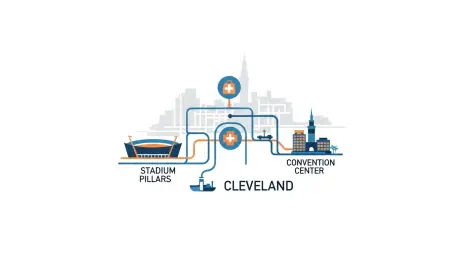
The core strength of the Cleveland market lies in its three-legged stool of demand: leisure, conventions, and healthcare. The $51-million expansion of the Huntington Convention Center, completed in 2024, is now producing significant dividends by attracting larger national groups that previously overlooked the region. This influx of group business has restored the critical midweek core, allowing hotel managers to exert greater pricing power during the Tuesday-through-Thursday window.
Complementing this corporate and group activity is the massive, non-cyclical demand generated by the healthcare sector. The Cleveland Clinic and MetroHealth System serve as economic moats, providing a constant stream of patients, researchers, and medical professionals who require lodging regardless of economic downturns. This “needs-based” travel is largely insulated from the shifts in discretionary spending that can often cripple leisure-dependent markets in other parts of the country.
Analyzing Market Performance Metrics and the Power of Economic Moats
Recent data from 2025 and early 2026 suggests that the market has moved into a phase of healthy normalization. While the previous year saw artificial peaks due to non-recurring events like the total solar eclipse and the NCAA Women’s Final Four, the current Year-to-Date metrics show organic growth in both occupancy and Average Daily Rate. Hotels with over 50 rooms within the city limits have reported steady gains, confirming that the market’s fundamentals are independent of one-off mega-events.
The presence of multi-billion-dollar infrastructure investments acts as a long-term guarantee of lodging demand. The Cleveland Clinic is currently advancing its $1-billion Neurological Institute, which will occupy one million square feet upon its 2027 completion. These types of projects create a self-sustaining cycle of visitation that benefits both extended-stay and select-service properties, providing a level of revenue security that few other Midwestern cities can match.
Investment Strategies for Navigating Cleveland’s Long-Term Infrastructure Projects
Strategic investment in the region now focuses on the emerging “innovation districts” where healthcare and technology intersect. Investors are increasingly looking at properties within the University Circle area, where the concentration of medical and educational institutions ensures a high-floor for occupancy. By targeting assets near these permanent demand generators, owners can mitigate the risks associated with general market cycles and focus on long-term appreciation.
Furthermore, the expansion of the hospitality footprint into suburban nodes like Brook Park represents the next frontier for the market. The development of a sports-anchored entertainment district from 2026 to 2029 is expected to redistribute demand and create new opportunities for select-service developments. This decentralization of growth ensures that the hospitality sector remains vibrant across the entire metropolitan area rather than being confined solely to the downtown core.
The analysis of Cleveland’s hospitality landscape revealed a market that successfully decoupled itself from the volatility of national trends. Stakeholders who prioritized the healthcare-convention nexus discovered that long-term stability offered more value than the rapid, high-risk growth cycles seen in coastal hubs. The transition toward a diversified demand model established a framework for durable success, and those who implemented district-level strategies across the city’s burgeoning corridors secured a resilient future for their portfolios. This period of strategic expansion proved that a focus on infrastructure and non-cyclical sectors was the most effective path toward sustained economic security.