
Historical reenactments in Catoira, Spain, utilize replica 11th-century vessels to simulate medieval Viking raids, drawing global travelers to the Galician coast. This dramatic spectacle is part of a larger trend sweeping across the continent as the mid-point of 2026 arrives. Modern travelers are increasingly abandoning the overcrowded streets of Rome and Paris in favor of the quiet, authentic peripheries where history is lived rather than displayed behind glass. This movement represents a fundamental shift in the European travel landscape, where the desire for genuine connection outweighs the convenience of major tourist hubs. By venturing into these rural areas, visitors find a sense of participation that is often lost in the commodified experiences of urban centers. These “hidden” festivals have evolved into powerful catalysts for regional development, proving that the future of tourism lies in the preservation of the past and the celebration of unique local identities.
Strengthening Local Economies and Cultural Identity
The surge in festival-driven tourism provides a vital economic lifeline to remote villages that were previously overlooked by traditional travel agencies and global tour operators. When a small town hosts an ancient harvest festival or a traditional folklore event, the influx of international spending is channeled directly into the local community. Family-run guesthouses, neighborhood taverns, and independent artisans benefit from a redistribution of wealth that bypasses large corporate hotel chains. This financial injection allows these communities to maintain their infrastructure and public services without the need for mass industrialization. Moreover, the seasonal nature of these events creates a sustainable rhythm for local businesses, ensuring they can thrive while preserving their traditional way of life. By focusing on niche cultural offerings, rural regions have developed a resilient economic model that prioritizes quality over quantity, attracting visitors who are willing to pay for authenticity.
Beyond the immediate financial gains, these celebrations are critical for the survival of intangible cultural heritage that might otherwise fade into obscurity. Festivals serve as a living library for traditional music, rare dialects, and specialized crafts that have been passed down through generations. Organizations like UNESCO have recognized the global importance of these events, providing a layer of international protection and prestige that encourages younger residents to stay and participate in their heritage. This active guardianship ensures that the unique folklore and historical narratives of each region remain vibrant and relevant in a rapidly globalizing world. The pride associated with hosting these international crowds fosters a strong sense of local identity, reinforcing the social fabric of the village. By treating culture as a dynamic, evolving asset rather than a static relic, these rural communities are successfully bridging the gap between history and the modern era.
Major Highlights of the 2026 Festival Calendar
History literally comes to life through the elaborate theatrical plays and reenactments that dominate the 2026 festival calendar. In Villajoyosa, the Moors and Christians Festival commemorates historical battles with massive beach processions and carefully choreographed naval encounters, turning the coastline into a grand stage. Similarly, in Norway, the celebration of Olsokdagene at Stiklestad uses the natural landscape to tell the story of the country’s transition from its Viking roots to a new cultural era. These events are not merely for entertainment; they are rigorous historical exercises that involve professional actors and community volunteers working together to maintain accuracy. Travelers are drawn to these spectacles because they offer a visceral experience of the past that books and films cannot replicate. The combination of period-accurate costumes, traditional weaponry, and centuries-old settings creates an immersive atmosphere that transports the audience back in time, making history feel tangible.
Many regions maintain their cultural milestones through ancient rituals and masked celebrations that mark the changing of the seasons. Estonia’s Seto Kingdom Day is a prime example, where the Seto people gather to honor their mythical king through traditional leelo polyphonic singing and the preparation of unique regional dishes. This event provides a rare window into a culture that has preserved its distinct customs despite centuries of external pressures. In Portugal, the Caretos of Podence bring a chaotic and vibrant energy to the streets, wearing colorful fringed costumes and brass bells during their Carnival rites. These traditions, often rooted in ancient fertility ceremonies or pagan agricultural cycles, offer a glimpse into the spiritual and social foundations of rural European life. For the modern traveler, participating in these rites offers a profound sense of connection to the natural world and the long-standing rhythms of human society that continue to define the continent’s rural soul.
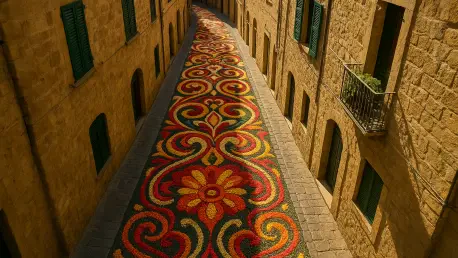
Artistic and musical traditions are equally influential in drawing global crowds to the European countryside, showcasing incredible displays of human creativity. The Infiorata di Genzano in Italy transforms entire city streets into intricate floral carpets, where artists use hundreds of thousands of carnations to create religious and cultural masterpieces. This ephemeral art form requires months of planning and days of meticulous work, yet it is celebrated and then swept away, emphasizing the cycle of beauty and labor. In Finland, the Kaustinen Folk Music Festival highlights a fiddle-playing tradition that has remained unbroken for over 250 years. These gatherings prioritize accessibility, encouraging informal jam sessions where visitors can interact with master musicians in a relaxed setting. By keeping these artistic legacies alive, festivals ensure that traditional skills remain relevant to a global audience while providing a platform for local artists to showcase their talents on a world-class stage.
Promoting Sustainable Travel and Ethical Exploration
A defining characteristic of the 2026 travel season is the integration of “slow travel” principles with deep cultural exploration. Experts are increasingly advocating for the use of regional public transportation, such as provincial trains and rural bus networks, to reach these festive destinations. This approach significantly reduces the carbon footprint of individual travelers while allowing them to engage more deeply with the changing landscapes of the European interior. By extending their stay in a single village rather than rushing between multiple cities, tourists help preserve the quiet charm and ecological health of the rural peripheries. This model of tourism encourages a more thoughtful and deliberate pace of travel, where the journey itself becomes an integral part of the experience. Investing time in a single location allows for meaningful interactions with residents, fostering a mutual understanding that is rarely achieved in high-volume urban tourism settings.
Ethical spending has become a cornerstone of sustainable development for these regional hubs, ensuring that tourism growth does not lead to cultural or environmental degradation. When visitors purchase tickets for community-led events or shop at local markets, their financial contributions are often directly reinvested into local research, conservation, and restoration projects. This holistic system creates a feedback loop where the popularity of a festival provides the resources necessary to protect the historical sites and traditions that attracted the visitors in the first place. This strategy prevents the “museumification” of villages, where they become empty shells for tourists, and instead supports a living, working environment. By prioritizing responsible tourism practices, travelers act as partners in the preservation of European heritage. This collective effort ensures that the continent’s diverse cultural landscape remains intact for future generations while providing a stable and ethical economic base for local residents.
To maximize the benefits of these rural destinations, travelers adopted a proactive approach to the logistical challenges of small-town life. Since local guesthouses and family-run inns often had limited capacity, early booking became the standard for those planning to attend major regional festivals. Visitors also prioritized regional gastronomy, such as the traditional sourdoughs of the Mediterranean or the artisanal cheeses of the Alps, which directly supported local agricultural cycles. Maintaining a high level of respect for local etiquette, particularly during religious processions or ancient masked rituals, ensured that the interaction between hosts and guests remained positive and constructive. These travelers sought out local guides who provided deeper insights into the nuances of regional folklore, further enriching their understanding of the continent’s heritage. By focusing on mutual respect and ethical engagement, this generation of tourists successfully contributed to the revitalization of the European countryside.