
The core philosophy of the new initiative suggests that the alignment of vision, capital, and engineering must occur long before the first foundation is poured on-site. GlobalServiceLinker LLC, a recognized name in the Georgian investment advisory sector, has transitioned from its traditional focus on property brokerage and individual sales toward the leadership of a specialized development consortium in Batumi. This strategic shift represents a calculated response to the maturing real estate landscape along the Black Sea coast, where the mere presence of high-rise structures no longer guarantees high returns. By spearheading a “next-generation” hospitality and entertainment concept, the firm is attempting to bridge the gap between building physical infrastructure and fostering long-term economic demand. The initiative involves a collaborative framework that integrates international investment expertise with deep-rooted local technical capabilities, ensuring that every facet of the project is grounded in both commercial viability and engineering excellence. This move reflects an evolution for the company, which has historically facilitated approximately 1,000 real estate transactions, and now seeks to play a more direct role in shaping the destination-driven future of the region.
Structural Synergy: Unifying Capital and Construction
The foundational architecture of the new consortium is built upon a multifaceted management structure that separates financial strategy from technical implementation while maintaining constant coordination. Managed by Alexander Abraham, the Managing Director of GlobalServiceLinker LLC, the investment and commercial wing is tasked with the complex duty of financial architecture and international capital coordination. This side of the operation focuses on the overarching commercial vision, ensuring that the project aligns with the expectations of global investors who are increasingly seeking stable, large-scale opportunities in emerging markets. By leveraging a sophisticated understanding of international market trends, Abraham’s team provides the fiscal discipline and strategic foresight necessary to navigate the complexities of a multi-million-dollar development. This ensures that the project remains financially robust and attractive to the German-speaking and international networks that the firm has cultivated over years of operation.
In parallel, the technical implementation and engineering of the project are managed by Mirza Tchagalidze, a distinguished Georgian development specialist with extensive experience in the local construction sector. This side of the consortium is responsible for the physical realization of the vision, encompassing structural engineering, site planning, and the management of various construction partners with proven track records in Georgia. The division of labor is intentionally designed to create a synergy where capital provides the necessary fuel, engineering provides the structural integrity, and a shared vision transforms the site into a high-functioning destination. This collaborative model is increasingly favored for complex, multi-use developments because it allows for a more granular focus on technical quality while maintaining a high-level view of the project’s ultimate commercial purpose. By pooling specialized resources, the consortium can mitigate the risks typically associated with large-scale builds, offering a more reliable pathway from blueprint to operational success.
Market Evolution: Transitioning from Supply to Strategic Demand
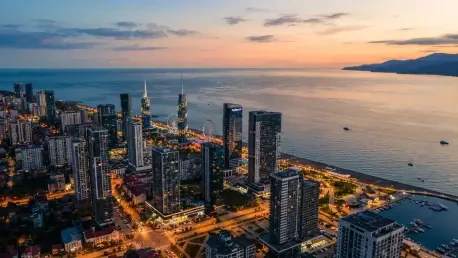
Batumi has recently undergone an era of unprecedented expansion, characterized by a rapid surge in the supply of hotel rooms and residential apartments that have significantly altered the city’s skyline. However, the current market analysis suggests that a purely supply-driven approach is reaching its limit, as the city now possesses the infrastructure to house thousands of visitors but lacks a corresponding diversity in attractions to keep them engaged. The consortium identifies this as a critical inflection point where the focus must shift from simply adding more buildings to creating compelling “reasons for the world to come.” This philosophy moves beyond the traditional real estate model of “build it and they will come” toward a more proactive strategy of demand generation. For Batumi to maintain its competitive edge among other Black Sea and Mediterranean destinations, it must offer integrated experiences that transcend the standard hotel or residential stay, providing a reason for repeat visits and extended stays throughout the year.
This strategic pivot toward experiential real estate acknowledges that the value of a property is no longer determined solely by its proximity to the sea or its architectural height. Instead, the modern investor is looking for “moats”—unique features and service ecosystems that protect the long-term value of their assets against market saturation. By focusing on demand-driven growth, the consortium aims to develop integrated hospitality environments that act as self-sustaining economic drivers. This involves moving away from the fragmented development of individual buildings toward a more holistic approach where accommodation, leisure, and culture are woven into a single commercial fabric. The objective is to transform Batumi from a collection of impressive buildings into a multifaceted international destination that offers a depth and quality of experience comparable to more established global hubs. This shift is essential for ensuring that the massive investments already made in the city continue to appreciate and yield sustainable returns.
Designing for Resilience: Integrated Hospitality and Year-Round Appeal
A primary focus of the consortium’s initiative is the concept of integrated hospitality, which seeks to blend premium accommodations with a wide variety of leisure, cultural, and entertainment services. This holistic approach is designed to cater to a diverse array of visitor demographics simultaneously, ranging from international tourists and business travelers to local residents looking for high-end amenities. By creating a self-sustaining ecosystem of economic activity, the project aims to increase the “stickiness” of the destination, encouraging visitors to spend more time and resources within the integrated complex. This model is particularly effective in high-growth areas because it allows for multiple revenue streams beyond simple room rentals, including food and beverage, wellness services, and curated entertainment events. The focus is on building a environment that people experience from the “inside,” rather than just observing or photographing it from the “outside,” thereby creating a deeper emotional and economic connection with the site.
Furthermore, the project is specifically engineered to address the persistent challenge of seasonality that often plagues coastal destinations. Historically, Batumi has experienced peak activity during the summer months, with a notable decline in tourism and local spending during the off-season. The consortium’s strategy involves introducing entertainment and visitor-oriented services that remain attractive and operational throughout the winter and spring. By fostering year-round economic stability, the initiative provides a more consistent return for investors and helps to stabilize the local labor market by providing permanent, rather than seasonal, employment opportunities. This emphasis on commercial sustainability ensures that the development remains a vibrant part of the city’s fabric regardless of the weather. The ultimate goal is to diversify the local economy, making it less dependent on the summer sun and more reliant on a sophisticated, multi-layered service offering that provides value three hundred and sixty-five days a year.
Leveraging Networks: Connecting Global Capital with Local Expertise
GlobalServiceLinker’s involvement in this consortium is a natural extension of its historical performance and its deep understanding of the local market dynamics. Since its inception, the company has played a pivotal role in the region’s development, facilitating approximately 1,000 real estate sales and building a robust reputation as a reliable intermediary. This history of high-volume transactions has allowed the firm to establish an extensive international investor network, particularly within the German-speaking markets through its specialized platform, HalloBatumi.de. This digital ecosystem serves as more than just a listing site; it functions as a comprehensive resource for market intelligence, legal guidance, and business activities in Georgia. By leveraging this established pipeline, GlobalServiceLinker is able to connect significant international capital with localized development opportunities, ensuring that the new hospitality concept has the financial backing and global visibility required to achieve its ambitious goals in a competitive international arena.
On the technical side, the consortium places a heavy emphasis on a high level of coordination between architects, structural engineers, and seasoned contractors. Mirza Tchagalidze’s technical philosophy centers on the idea that the physical construction must be an exact reflection of the commercial vision, requiring a shift in engineering perspective from viewing a project as a series of structural challenges to viewing it as the creation of a visitor experience. This approach requires meticulous planning and a sophisticated understanding of how physical spaces influence human behavior and economic flow. The consortium model allows for a broader range of hospitality functions than a typical residential build, necessitating a higher degree of technical flexibility and innovation. By combining this local engineering prowess with the firm’s international reach, the project is positioned to set a new benchmark for quality and integration in the Georgian real estate sector, proving that the most successful developments are those where local expertise and global vision are perfectly aligned.
Strategic Outlook: Moving Toward a Mature Investment Ecosystem
The initial announcement of the consortium served as a precursor to a more comprehensive unveiling that occurred in November 2026. At that time, the consortium members presented detailed technical specifications, architectural renderings, and a full breakdown of the project’s multifaceted components to a group of international stakeholders. This presentation marked a significant milestone in Batumi’s development history, as it provided a clear roadmap for how the city could transition from a high-growth emerging market into a mature, destination-driven economy. The findings indicated that the integration of professional management and realistic demand assessments was the only viable path forward for large-scale real estate projects. Stakeholders noted that the era of speculative growth had largely been replaced by a focus on operational excellence and commercial sustainability, which required a much higher level of pre-construction planning and cross-disciplinary collaboration than had been common in previous years.
In the period following the announcement, the consortium successfully established a series of actionable steps that emphasized the importance of aligning financial interests with high-quality engineering. The project demonstrated that the success of an international destination was determined long before the first stone was laid, rooted instead in the strength of the initial vision and the competence of the managing partners. It was concluded that the most successful investments were those that contributed to the city’s long-term international profile by offering unique, high-value experiences that could not be easily replicated. This approach provided a clear solution to the problem of market saturation, showing that there was still significant room for growth for projects that offered genuine innovation and a commitment to quality. Ultimately, the work performed by the consortium suggested that Batumi’s future would not be defined by the quantity of its buildings, but by the depth and resilience of the hospitality ecosystems it managed to create for a global audience.