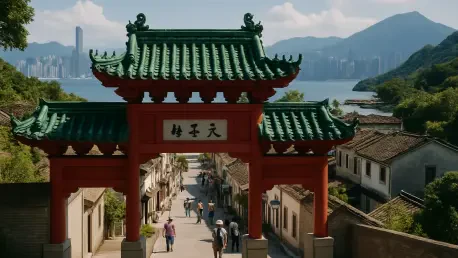

Travelers wishing to explore the once-restricted Sha Tau Kok Frontier Closed Area must now navigate a digital permit system through the Hong Kong Police Force’s online platform. This transformation marks a pivotal moment in the territory’s spatial planning, effectively bridging the gap between urban centers and the rustic periphery. As a cornerstone of the Northern Metropolis development strategy, the initiative seeks to weave together historic border zones with ancient heritage villages and protected geoparks. The administration has prioritized a model of growth that respects the ecological and social fabric of the region. By transitioning away from the closed-off policies of the past, the region is becoming a focal point for visitors who seek authentic cultural experiences. This strategic opening serves a dual purpose: it stimulates localized economic activity while ensuring that the distinct lifestyles of the residents remain uncompromised. The careful integration of these areas into the broader tourism map highlights a commitment to sustainable development in a rapidly changing landscape.
1. Shifting Paradigms and Economic Growth
The current landscape of global travel has seen a definitive shift toward experiential and nature-based tourism, moving away from the crowded shopping districts that once defined the regional appeal. Visitors are increasingly drawn to sites that offer a sense of history and ecological integrity, leading to a surge in demand for access to previously restricted areas. This evolution in traveler preferences has prompted a significant rethink of how land is utilized along the northern boundary. By opening up the frontier, authorities are tapping into a growing market for cultural heritage and green recreation. The transition reflects a broader trend within the industry where depth of experience is valued more than sheer volume of consumption. This strategic pivot allows for the diversification of the economic base, ensuring that the benefits of the tourism sector are distributed more equitably across different districts. As high-density commercial centers reach saturation, the allure of the quiet, historical enclaves of the north provides a refreshing alternative for both locals and international guests seeking genuine connection.
The phased opening of the Sha Tau Kok restricted zone, which progressed steadily from late 2022 through 2024, has laid a robust foundation for the current state of cultural tourism. Recent data indicates a healthy recovery in the overall sector, with arrival numbers showing consistent growth as the territory reaffirms its status as a premier global destination. Spending forecasts for the coming years suggest that visitors are allocating more of their budgets to niche experiences, including guided heritage tours and rural culinary adventures. This positive economic trajectory is supported by a government that actively facilitates access while monitoring environmental impacts. The successful integration of the frontier area into the public sphere demonstrates the viability of using historical legacies to drive modern growth. As the industry continues to stabilize and expand from 2026 to 2028, the emphasis remains on high-value interactions that contribute to the long-term resilience of the local economy. The gradual liberalization of the border zone has proven that restricted land can be repurposed effectively without losing its intrinsic historical and cultural value.
2. The Blue and Green Recreation Circle
Positioned as a vital node within the Blue and Green Recreation Circle, the township serves as a primary gateway for those looking to explore the natural wonders of the northeastern New Territories. Its strategic location provides direct access to the Hong Kong Geopark, encompassing unique islands such as Lai Chi Wo, Kat O, and Ap Chau. These areas are renowned for their spectacular rock formations and well-preserved village clusters, offering a glimpse into a way of life that has persisted for centuries. By streamlining the transit process through the border zone, the government has made these remote locations more accessible to the general public. This connectivity fosters a deeper appreciation for the territory’s natural conservation efforts and encourages the protection of its biodiversity. The synergy between the urbanized township and the surrounding marine and terrestrial parks creates a comprehensive visitor experience that covers both cultural history and environmental science. This holistic approach ensures that the natural beauty of the region is not just preserved but is also utilized as an educational resource for future generations.
Beyond the coastal islands, the initiative integrates seamlessly with the newly established Robin’s Nest Country Park and a network of wartime historical trails that traverse the rugged hillsides. These paths allow visitors to walk through history, passing by defensive positions and observation posts that date back to mid-century conflicts. The development of these trails is part of a larger effort to curate a landscape where history and nature coexist harmoniously. Informational signage and digital guides help travelers understand the strategic importance of this terrain in past eras, adding a layer of educational value to every hike. The preservation of these sites ensures that the sacrifices and stories of earlier generations are not forgotten as the area modernizes. Furthermore, the connectivity between these highland trails and the lowland heritage sites creates a diverse range of recreational opportunities, from strenuous treks to leisurely strolls. This variety makes the region attractive to a wide demographic, ranging from serious hikers to families interested in a weekend of historical discovery. The goal is to create a seamless link between the land’s past and its green future.
3. Cultural Restoration and Identity Preservation
Central to the revitalization of the area is the meticulous restoration of local landmarks that serve as anchors for the community’s identity. Fish Lantern Square, once a quiet gathering spot, has been transformed into a vibrant cultural hub where the traditional Hakka Fish Lantern Dance is celebrated and performed. Similarly, the old fire station, with its distinctive architecture, has been repurposed to house exhibits that detail the town’s administrative and social evolution. These restoration projects are more than just cosmetic improvements; they represent a deep commitment to preserving the tangible and intangible heritage of the borderlands. By investing in the physical fabric of the town, the government provides a platform for residents to share their stories with a global audience. The conservation efforts extend to the smaller alleys and traditional shop-houses, maintaining the unique aesthetic that differentiates this town from the glass-and-steel skyscrapers of the southern districts. This focus on architectural integrity ensures that the town retains its soul while adapting to the demands of modern tourism, providing a rich, multi-layered experience for all who visit.
The commemoration of wartime history remains a poignant aspect of the local landscape, with memorial halls and cenotaphs serving as solemn reminders of the region’s turbulent past. These sites have been carefully integrated into the visitor itinerary to provide a balanced view of the town’s history, moving beyond just leisure and scenery. The promotion of Hakka traditions further enriches the cultural tapestry, offering visitors the chance to engage with unique customs, dialects, and crafts that are increasingly rare in urban settings. This emphasis on local identity helps to build a sense of pride among the residents, who are encouraged to participate in the storytelling process. By highlighting the distinctiveness of the community, the initiative avoids the pitfalls of generic tourism and creates a destination with a true sense of place. This cultural depth is supported by educational programs that explain the significance of local rituals and the historical context of the border’s formation. The result is a cultural landscape that is both resilient and welcoming, offering a profound connection to the roots of the territory while looking toward a future of shared heritage and mutual understanding.
4. Logistics and Community Sustainability
To handle the logistical challenges of opening a sensitive border area, the administration has implemented a sophisticated electronic permit system that ensures a smooth flow of visitors. This digital infrastructure allows for real-time monitoring of visitor numbers, preventing overcrowding and maintaining the tranquility of the residential neighborhoods. In tandem with these technological advancements, there has been a significant expansion of public transportation options to the region. The introduction of new bus and minibus routes, such as the enhanced service from Sheung Shui Station, has made the journey more convenient for those without private vehicles. These improvements are designed to encourage the use of public transit, thereby reducing the environmental footprint of tourism in the area. By optimizing the transit network, the government ensures that the remote town is no longer an isolated outpost but a well-connected part of the broader city. The focus on accessibility is balanced with the need for security, as the electronic permits allow the police force to manage entry while providing a user-friendly experience for legitimate travelers seeking to explore the frontier.
Economic sustainability is at the heart of the opening, with a clear focus on directing tourist spending toward the small businesses that form the backbone of the community. Traditional restaurants and local shops are being given the support they need to thrive in a more open market, ensuring that the financial benefits of tourism are felt directly by the residents. This bottom-up approach to economic development helps to preserve the authentic character of the town, as local entrepreneurs are incentivized to maintain their traditional offerings. By avoiding the introduction of large-scale commercial chains, the government protects the unique market ecosystem that has existed for decades. This strategy not only benefits the local economy but also enhances the visitor experience by providing access to products and flavors that cannot be found elsewhere. The focus is on creating a circular economy where tourism revenue is reinvested into the community, supporting the maintenance of heritage sites and the improvement of local infrastructure. This ensures that the town remains a viable and vibrant place to live and work, even as it becomes a popular destination for those seeking cultural immersion.
5. Visitor Guidelines and Future Prospects
To ensure a successful visit to this unique border region, travelers should follow these essential instructions. 1. Taste authentic local dishes: Try traditional Hakka braised pork in Lai Chi Wo, handmade squid balls in Kat O, or steamed tea dumplings at various village food stalls. These flavors represent the deep culinary heritage of the region’s long-standing communities. 2. Arrange your travel logistics: Utilize the 55K minibus from Sheung Shui Station or take ferries from the Sha Tau Kok Public Pier; ensure you have enough cash for local tickets and meals, as many rural vendors do not accept cards. 3. Obtain your online entry permit: Use the official police department website to apply for a free digital pass at least three days in advance, noting that Chung Ying Street remains off-limits. By following these steps, you can navigate the area efficiently. Planning ahead allows you to focus on the scenic beauty and historical depth without the stress of last-minute logistics or restricted access issues.
The successful unlocking of the Sha Tau Kok frontier provided a blueprint for how restricted zones transformed into sustainable tourism assets. The government effectively balanced the needs of a modern economy with the vital necessity of preserving cultural and environmental integrity. By implementing a digital permit system and enhancing public infrastructure, authorities ensured that the transition remained orderly and beneficial for the local population. The integration of the town into the Blue and Green Recreation Circle expanded the territory’s recreational offerings, drawing international attention to its unique blend of history and nature. Local businesses saw a significant increase in engagement as visitors embraced traditional Hakka cuisine and heritage trails. Moving forward, the lessons learned from this initiative pointed toward a future of even greater cross-boundary synergy. The project demonstrated that thoughtful planning could breathe new life into isolated communities while honoring their past. Travelers who visited the area took home a deeper understanding of the territory’s diverse identity.