
The arrival of April marks a transformative period along the border of Thailand and Laos, as the traditional New Year celebrations of Songkran and Pi Mai turn a political boundary into a fluid cultural corridor. This season of water blessings and merit-making serves as a powerful catalyst for bilateral unity, drawing the two nations together through shared Theravada Buddhist rituals. What was once defined by the rigid limits of the Mekong River is now increasingly viewed as a cohesive socio-economic zone where history and modern ambition intersect. By examining the surge in cross-border movement during these festivities, it becomes clear that the Mekong has evolved into a unifying spine for the region. Strategic tourism initiatives and upgraded infrastructure have modernized these ancient ties, allowing for a seamless exchange of people and traditions. This integration reflects a broader shift in the regional mental map, where the frontier is no longer a peripheral edge but a vibrant center of shared identity and mutual growth.
Deepening Spiritual and Social Ties
Shared Traditions and Grassroots Connections
The cultural overlap between Thailand and Laos is most visible in the synchronized religious ceremonies that define the New Year, creating a shared spiritual landscape. Communities on both sides of the river participate in flower processions and water-pouring rituals that share the same spiritual roots and lunar calendar. In frontier regions like Loei province, the border is treated as a continuous festive space where locals from both nations join together for joint cultural performances, effectively erasing the distinction between the two states during the celebration. These events are not merely spectacles for tourists but represent a profound reaffirmation of kinship. The act of bathing Buddha images and seeking blessings from elders follows nearly identical liturgical patterns in both Vientiane and Nong Khai. This ritualistic symmetry fosters a sense of psychological proximity, making the physical border feel like a minor administrative detail rather than a cultural barrier.
These grassroots connections often outpace formal infrastructure, as seen in the creative ways local populations maintain their bonds during the peak of the heat. Historical examples, such as the construction of temporary bamboo bridges between neighboring villages like Boten and Ban Mueang Phrae, highlight a deep-seated desire for reconnection that transcends official border policies. These initiatives demonstrate that while governments manage the checkpoints, it is the shared faith and family ties of the people that provide the true foundation for regional stability and unity. This bottom-up approach to integration ensures that even when political climates shift, the social fabric remains tightly woven. Local merchants and temple committees often coordinate their schedules months in advance to ensure that festivities do not compete but rather complement one another. This organic collaboration serves as a model for how cultural diplomacy functions at its most basic and effective level, rooted in mutual respect and history.
The Role of Communal Merit-Making
Beyond the exuberant water splashing, the core of the New Year festivals lies in the concept of merit-making, which acts as a powerful social glue between Thai and Lao Buddhists. Large-scale temple fairs often attract practitioners from across the river, as devotees seek to accumulate spiritual “boon” at specific high-profile stupas. This religious mobility is particularly evident in the northeastern Isan region of Thailand and the neighboring Lao provinces, where shared dialects and customs facilitate easy interaction. The collective participation in building sand pagodas or offering food to monks creates a unified moral community. This shared value system provides a stable framework for dispute resolution and cooperation, as both populations adhere to the same ethical guidelines during the holy period. By focusing on these spiritual commonalities, the two nations reinforce a sense of regional belonging that is far more resilient than modern political alliances or short-term economic trade agreements.
Furthermore, the social rituals of the New Year emphasize a hierarchy of respect that is identical in both cultures, reinforcing family and community structures. The ceremony of “Rod Nam Dum Hua” in Thailand and similar traditions in Laos involve younger generations pouring scented water over the hands of their elders to ask for forgiveness and blessings. This practice often crosses borders as families separated by the Mekong reunite for the holiday. This movement of people back to their ancestral homes creates a surge in cross-border traffic that is driven by duty rather than leisure. These familial obligations ensure that the border remains porous and that the cultural exchange is continuous. By honoring the same ancestral and spiritual authorities, the people of Thailand and Laos maintain a synchronized social rhythm. This alignment is a critical component of regional peace, as it minimizes cultural friction and builds a foundation of trust that extends into the realms of commerce and politics.
The Evolution of Physical Connectivity
Bridging the Mekong for Cultural Exchange
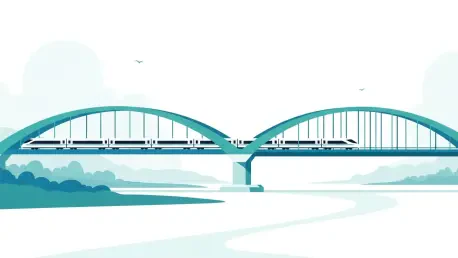
The network of Thai–Lao Friendship Bridges has evolved far beyond its original purpose as a logistical route for heavy trade and industrial transport. During the New Year peak, these permanent structures serve as essential cultural conduits that facilitate the reunion of families and the collective practice of faith. The recent opening of the fifth bridge connecting Bueng Kan to Pakxan represents a major milestone in this connectivity, allowing travelers to navigate the region with unprecedented ease. Previously, river crossings were limited by the capacity of traditional ferries, which often struggled to manage the massive crowds during the April heat. Now, these modern spans allow for a continuous flow of vehicles and pedestrians, effectively merging the two riverbanks into a single metropolitan zone. The ease of access provided by these bridges has fundamentally changed how locals perceive the distance between their communities, fostering a more integrated regional identity.
These bridges are now integral components of the East-West Economic Corridor, enabling tourists to experience festival celebrations in multiple countries within a single trip. By transforming the river from a barrier into a gateway, these investments have allowed border towns to upgrade their waterfront promenades and night markets significantly. This physical integration signals a long-term commitment to turning seasonal festival enthusiasm into a year-round engine for regional development and cultural visibility. Municipalities have invested in permanent lighting, public stages, and improved road access to the bridgeheads, anticipating that the New Year surge will spill over into other months. The bridges themselves have become landmarks of unity, often decorated with flags and banners from both nations to welcome travelers. This visible sign of cooperation reinforces the idea that the two countries are not just neighbors, but partners in a shared vision of a connected and prosperous Southeast Asian mainland.
Impact of Rail and Road Synchronization
The modernization of transportation extends beyond bridges to include the synchronization of rail and bus networks that link major cities to the border zones. High-speed rail developments and improved highway systems have made it possible for urbanites in Bangkok or Vientiane to reach the frontier in a fraction of the time it once took. This increased accessibility has democratized the festival experience, allowing a broader demographic of travelers to participate in the transborder celebrations. During Songkran and Pi Mai, additional transit services are often deployed to handle the volume, showing a high level of operational coordination between the transport ministries of both nations. This logistical harmony is essential for maintaining the safety and efficiency of the travel corridor. By ensuring that the “last mile” of the journey is as seamless as the main highway, both countries are making it easier for cultural and economic exchange to happen spontaneously and frequently.
Moreover, the development of these transport hubs has led to the emergence of “border clusters” where hospitality and retail sectors thrive. Travelers no longer rush through the border; instead, they linger in duty-free zones, riverside hotels, and local markets that cater specifically to the New Year crowd. This economic activity provides a vital boost to local economies that were once considered peripheral or underdeveloped. The infrastructure acts as a catalyst for private investment, as entrepreneurs recognize the potential of a captive audience that crosses the border annually. This cycle of investment and travel creates a self-sustaining ecosystem that benefits both sides of the Mekong. As the physical barriers continue to diminish through better engineering and planning, the economic and social distance between Thailand and Laos narrows, paving the way for a more unified regional market that leverages the cultural appeal of its shared traditions.
Administrative Efficiency and Tourism Strategy
Digital Modernization of Border Crossings
To manage the massive influx of Songkran land traffic, both governments have prioritized the modernization of administrative procedures through high-tech solutions. The transition from manual, paper-based entry forms to sophisticated digital platforms has significantly reduced processing times at major checkpoints. By implementing online registration systems and suspending outdated arrival cards like the TM 6, authorities have signaled an open door policy that favors cultural exchange over bureaucratic friction. This ensures that the festive spirit is not dampened by long queues in the sweltering April heat. Digital kiosks and biometric scanners are now common sights at major bridges, allowing for rapid identity verification. This technological shift is not just about speed; it also provides authorities with better data to manage crowd flow and ensure security, creating a safer environment for the thousands of families traveling between the two nations.
This technological streamlining is part of a larger strategy to reposition frontier provinces as primary destinations rather than mere transit points. By reducing the logistical burden on travelers, Thailand and Laos are effectively rebranding their borderlands as accessible hubs for international and domestic visitors. This shift toward digital integration reflects a regional trend toward a borderless experience, where the ease of movement matches the fluid nature of the shared cultural celebrations. The implementation of e-visas and reciprocal travel agreements has further lowered the barrier to entry, encouraging spontaneous trips that were previously discouraged by complex paperwork. As these digital systems become more integrated, the border begins to function more like a managed threshold than a hard stop. This evolution in border management is a crucial step toward achieving the broader goals of the ASEAN Economic Community, where the free movement of people is a central pillar of regional growth.
Strategic Coordination of Festive Calendars
While the core dates of the New Year are fixed by the lunar cycle, the two governments have begun to coordinate the timing of specific festival events to maximize tourism impact. By staggering certain parades, music festivals, and temple fairs, they allow visitors to attend major celebrations in both Thailand and Laos without having to choose one over the other. This strategic scheduling turns the border region into a month-long festival circuit, attracting international tourists who seek a comprehensive cultural experience. Joint marketing campaigns often feature images of the “Maha Songkran” alongside Lao “Pi Mai” traditions, presenting the Mekong region as a unified brand. This approach helps to distribute the economic benefits of tourism more evenly across the frontier, as travelers spend more time and money exploring multiple sites on both sides of the river. It also encourages a sense of healthy competition and collaboration among local tourism boards to innovate their offerings.
Furthermore, the collaboration extends to safety and public health protocols, ensuring that the water-splashing activities remain safe for all participants. Joint task forces often manage traffic and emergency services along the border, demonstrating a high level of trust and operational synergy. This level of cooperation is essential for handling the unique challenges of a festival that involves millions of people and large volumes of water. By sharing resources and information, both nations can mitigate the risks of accidents and ensure that the positive image of the festival is maintained. This coordinated management of public space during a high-stakes period serves as a practical exercise in bilateral relations, proving that the two countries can work together effectively on complex logistical tasks. The success of these coordinated efforts reinforces the narrative of a shared destiny and a commitment to mutual prosperity through the lens of their most cherished cultural celebrations.
Economic Synergy Through Shared Heritage
The Rise of Transborder Tourism Corridors
The final piece of this integration is the creation of multi-stop pilgrimage circuits that link significant religious sites across the Mekong. By marketing heritage locations like Wat Phra That Phanom in Thailand alongside Phra That Sikhotabong and Phra That Ing Hang in Laos, the two nations are leveraging their soft power to attract global tourism. These circuits are designed to appeal to both religious pilgrims and cultural enthusiasts, offering a curated journey through the history of the Mekong valley. This coordinated branding turns local customs into a regional asset, encouraging visitors to view the two countries as a single, integrated travel experience. The promotion of these “stupa trails” has led to increased investment in local infrastructure, such as better signage, heritage preservation projects, and specialized tour guide training. This focus on heritage tourism provides a sustainable economic model that respects the cultural integrity of the region while generating significant revenue.
These corridors also highlight the shared craftsmanship and culinary traditions of the two nations, providing a platform for local artisans and food producers. During the New Year, specialized markets pop up along these routes, selling traditional textiles, handicrafts, and seasonal delicacies that are unique to the borderlands. This economic synergy helps to preserve traditional skills that might otherwise be lost to modernization. By connecting these local producers to a wider market of festival-goers, the tourism corridors provide a direct economic benefit to rural communities. The success of these initiatives shows that cultural heritage is not just a relic of the past but a dynamic economic driver for the future. As Thailand and Laos continue to develop these joint corridors, they are building a more resilient and diversified tourism sector that is less dependent on mass-market trends and more focused on authentic, high-value experiences that celebrate their shared history.
Strategic Roadmap for Future Integration
Looking ahead, the successful integration seen during the New Year festivals provides a clear blueprint for year-round bilateral cooperation. The primary takeaway for policymakers and regional planners is that cultural affinity is the most effective lubricant for economic and political integration. To build on this momentum, both nations should consider formalizing the “festival corridor” concept through permanent joint tourism offices located in key border towns. These offices could manage shared marketing budgets, coordinate infrastructure maintenance, and facilitate cross-border cultural exchanges outside of the peak April period. Furthermore, the expansion of digital border systems to include seamless mobile payments and integrated transit ticketing would further reduce friction for travelers, making the transition between the two countries nearly invisible. This would encourage more frequent, short-term visits that sustain local businesses throughout the year rather than relying on a single seasonal surge.
In addition to physical and digital connectivity, the focus should shift toward educational and youth exchange programs that leverage the shared traditions of Songkran and Pi Mai. By involving the younger generation in joint cultural heritage projects, the two nations can ensure that the spirit of unity is carried forward into the future. Developing shared curriculum materials or hosting regional youth festivals would help to solidify the sense of a “Mekong Identity” among those who will lead these countries in the coming decades. Ultimately, the goal is to transform the border from a line of separation into a seam of connection. The water poured during the New Year does more than bless the individual; it washes away the rigid definitions of the nation-state in favor of a more fluid, cooperative regional reality. By embracing this shared heritage as a strategic asset, Thailand and Laos are not only preserving their past but are actively engineering a more stable and prosperous future for the entire Southeast Asian mainland.