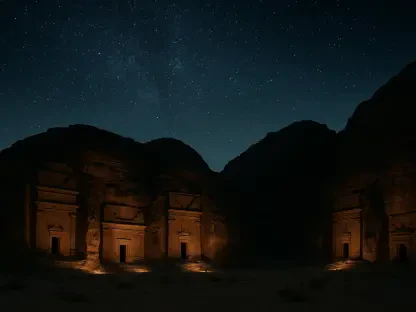

The silhouette of ancient stone structures carved into the Mesopotamian hillsides offers a visual testament to a history that spans millennia, yet today this landscape serves as more than just a relic of the past. As the spring season unfolds in 2026, the city of Mardin is experiencing an unprecedented surge in international and domestic interest, firmly establishing its status as a premier global cultural destination. This historic “open-air museum” is characterized by a unique architectural heritage where ornate stone houses, ancient mosques, and centuries-old monasteries coexist in a narrow, walkable urban fabric. Current data indicates that the influx of visitors has pushed local hospitality resources to their limits, with a total capacity of approximately 20,000 beds frequently reaching full occupancy. The city functions as a cultural crossroads where diverse languages and religions intersect, creating a mesmerizing atmosphere that attracts massive crowds to landmarks like the Mardin Museum and the Dara Ancient City.
The Architectural and Historical Magnetism
Preservation of Ancient Landmarks: A Living Legacy
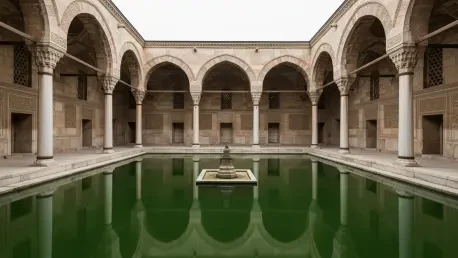
Maintaining the integrity of historical sites such as the Kasımiye and Zinciriye Madrasas has been pivotal in creating a high-value tourism brand that resonates with global travelers. These educational complexes, along with the Deyrulzafaran Monastery, are not merely static monuments but active centers of cultural exploration that offer a tangible connection to the region’s multi-faith history. The architectural continuity found in the old city’s narrow streets allows for a specialized, walkable urban experience that many modern metropolitan areas lack, providing visitors with a sense of immersion that feels both authentic and rare. Consequently, staff at these locations have had to adapt to the heavy foot traffic by extending visiting hours into the evening to accommodate more than 4,000 daily guests at single sites. This operational flexibility ensures that the historical narrative of the city remains accessible even during peak periods, reinforcing the reputation of the city as an organized and welcoming cultural hub.
Strategic Visibility and Modern Media Impact
The transition of this southeastern Turkish province into a global brand city was significantly accelerated by its frequent use as a cinematic backdrop for high-profile television series and international films. This visual exposure has translated into a diverse demographic of tourists, with a notable rise in visitors arriving from the Far East, Russia, and various European nations in 2026. Industry experts from local tourism associations emphasize that the aesthetic appeal of the stone-carved architecture provides a “ready-made” set that requires little enhancement to capture the imagination of a global audience. By leveraging this media presence, local authorities and business owners have successfully executed promotional campaigns that highlight the city’s unique blend of tradition and accessibility. The synergy between heritage preservation and modern media exposure has created a self-sustaining cycle of interest, where digital content drives physical visits, and those visits, in turn, generate a wealth of organic social media promotion.
Sustainable Growth and Infrastructure Management
Navigating Capacity and Economic Expansion
Managing the economic impact of such a substantial tourism boom requires a sophisticated approach to infrastructure and hospitality management to prevent the dilution of the visitor experience. With weekend hotel occupancy hitting 100 percent and weekday rates exceeding 70 percent, the local economy has seen a dramatic shift toward a service-oriented model that prioritizes quality and authentic cultural engagement. Small-scale boutique hotels and traditional stone mansions converted into guesthouses have become the backbone of this expansion, allowing the city to grow its bed capacity without compromising its historical silhouette. This growth is not merely about numbers but about the economic revitalization of the entire region, as the demand for local artisanal goods, traditional cuisine, and guided historical tours creates a robust ecosystem for residents. Strategic investments in transportation and pedestrian access have been necessary to handle the flow of visitors who seek the “mesmerizing” charm of a city that remains deeply rooted in its ancient identity.
Future Directions for Cultural Excellence
The successful positioning of the city as a global landmark was achieved through a dedicated focus on maintaining the delicate balance between high-volume tourism and heritage conservation. Stakeholders prioritized the restoration of the Dara Ancient City and other key archaeological sites, which provided a diversified itinerary for travelers and helped distribute foot traffic more evenly across the province. The integration of digital ticketing and real-time crowd management systems became essential tools for preserving the atmosphere of the madrasas and monasteries. Looking ahead, the focus must shift toward enhancing the quality of niche tourism experiences, such as culinary tours and specialized historical workshops, to ensure long-term sustainability. By continuing to innovate in the realm of boutique services and sustainable urban planning, the city will likely maintain its competitive edge in the global market. The commitment to safeguarding the multi-faith heritage of the region ensured that the city remained a symbol of cultural harmony and an essential destination for global travelers.