
Two new Marriott-branded extended-stay resorts are scheduled to debut in 2026, specifically targeting the growing demographic of professional remote workers and bleisure travelers. This investment signals a definitive shift in the regional strategy, as the city moves away from its traditional reliance on high-octane seasonal events to embrace a more stable, year-round economic foundation. By fostering a multi-experiential tourism environment, the area is successfully rebranding itself as a destination where business productivity and coastal relaxation coexist. This evolution is not merely about changing a logo or a slogan; it is a fundamental transformation of the local infrastructure and service sector designed to appeal to diverse visitors, including digital nomads and multi-generational families. As the competitive landscape of Florida tourism intensifies, this move toward versatility ensures that the city remains a top-tier choice for modern travelers seeking depth beyond the shore.
Modernizing the Core: Investing in Convention and Sports Venues
The center of this municipal revitalization is the significant $40 million modernization of the Ocean Center Convention Complex, a project aimed at capturing the global trade show market. By upgrading the internal technology, including sophisticated LED lighting systems and acoustics, the city has positioned itself to host high-level corporate events that require more than just a typical meeting room. These improvements are crucial for stabilizing the local economy during the traditionally quiet shoulder seasons, ensuring a steady stream of professional visitors regardless of the weather or the racing schedule. The focus on high-speed connectivity and flexible layout designs allows the facility to accommodate everything from niche technical conferences to large-scale international exhibitions. This strategic pivot toward professional services complements the leisure sector, creating a balanced economic ecosystem that provides year-round employment and attracts a high caliber of investor.
Parallel to the business upgrades, the restoration of the historic Jackie Robinson Ballpark represents a sophisticated approach to sports tourism that respects cultural heritage. The project involved deep renovations to player facilities and spectator areas, ensuring the venue meets modern professional standards while preserving its status as a site of immense social significance. By maintaining the historical integrity of the stadium, the city offers fans a nostalgic yet comfortable environment, which serves as a major draw for both sports enthusiasts and history buffs. This dual-purpose strategy utilizes modern utility to enhance the visitor experience while leveraging historical reverence to provide a unique sense of place that newer developments often lack. Integrating this landmark into the broader tourism circuit demonstrates how a city can modernize its assets without erasing the stories that define its identity, effectively bridging the gap between its past and its present.
Expanding Horizons: Transportation and Tailored Accommodations
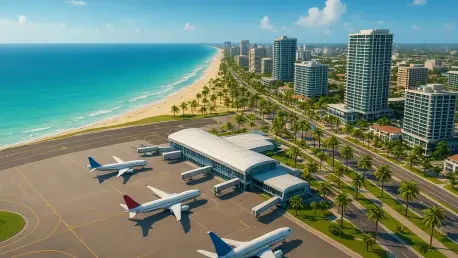
Improving accessibility has been a major priority, leading to an aggressive expansion of the flight network at Daytona Beach International Airport. Through strategic partnerships with major legacy carriers and low-cost entrants like Avelo and Breeze, the region has successfully restored direct connections to pivotal economic hubs like New York and Boston. This enhanced connectivity lowers the barrier for entry for a broad socio-economic spectrum of travelers, making the destination a convenient option for spontaneous weekend getaways and long-term stays alike. The increase in flight frequency and the addition of budget-friendly routes are essential components of the plan to draw visitors from across the country throughout the year, rather than just during peak summer months. By ensuring that the city is easy to reach from major metropolitan areas, local leaders have paved the way for a consistent influx of visitors who contribute to the long-term vitality of the local retail and dining scenes.
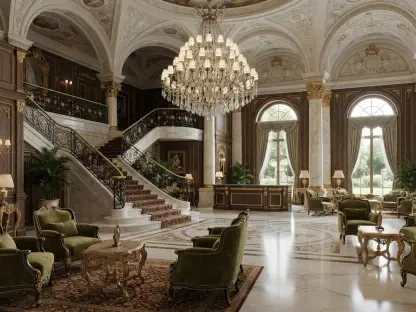
The hospitality sector is rapidly adapting to the needs of the modern traveler who no longer views vacation and work as mutually exclusive activities. New property developments are prioritizing long-term stay features, such as fully equipped kitchens, specialized fitness centers, and integrated business hubs that provide more than just a desk and a chair. These amenities cater specifically to the digital nomad demographic, allowing individuals to relocate their professional lives to the coast for weeks or even months at a time. This trend reflects a broader shift toward slow travel, where visitors engage more deeply with the local community and its offerings rather than rushing through a short-lived itinerary. By providing the infrastructure necessary for high-level productivity, the city’s hotels are evolving into multifunctional spaces that support a lifestyle of work-life balance, effectively turning seasonal visitors into semi-permanent residents who sustain continuous local growth.
Stewardship and History: Balancing Growth with Local Heritage
In an effort to foster a more inclusive and sustainable coastal environment, local authorities have established a new 1.7-mile dog-friendly beach corridor that balances recreation with nature. This initiative was carefully designed to allow pet owners to enjoy the shoreline while strictly adhering to environmental stewardship protocols that protect sensitive sea turtle nesting zones. Such projects highlight a commitment to environmental conservation that resonates with the modern traveler’s desire for responsible tourism and authentic outdoor experiences. By promoting inland attractions like nature reserves and local hiking trails, the city also aims to reduce the concentrated ecological footprint on its famous beaches while offering a more diverse narrative for the explorer. This balanced approach ensures that natural resources remain vibrant for future generations while expanding the recreational possibilities for current visitors, creating a new model for progressive coastal management.
Architecture and heritage preservation are playing an increasingly prominent role in defining the city’s modern brand, moving away from a generic resort aesthetic toward something far more authentic. The restoration of iconic landmarks, such as the 1936 Main Street Arch, and the active promotion of the Ponce de Leon Inlet Lighthouse provide a tangible connection to the region’s historical roots. These sites offer a sense of continuity and character that differentiates the area from other Florida coastal towns, appealing to travelers who seek out locations with a unique story to tell. By investing in the maintenance of these cultural assets, the city provides a richer, more layered experience that goes beyond the typical sand and surf vacation. This focus on historical storytelling adds depth to the local identity, ensuring that the destination remains competitive by offering visitors a genuine sense of discovery and a connection to the architectural legacy of the Atlantic coast.
Strategic Outlook: Sustaining Momentum in a Competitive Market
The transition toward a year-round hub demonstrated how strategic investment and infrastructure modernization created a more resilient local economy. By diversifying the tourism portfolio to include business conventions and heritage preservation, the city successfully mitigated the risks associated with seasonal volatility. Leaders focused on actionable steps such as expanding airport connectivity and enhancing public spaces, which effectively broadened the area’s appeal to a global audience. These efforts moved the city beyond its motorsports identity, establishing it as a versatile destination capable of meeting the complex demands of the 2026 market. The integration of technology and environmental stewardship provided a sustainable framework for growth, ensuring that the region stayed ahead of market trends. This holistic approach offered a blueprint for other coastal cities looking to redefine themselves through a blend of modern utility and respect for their own unique local histories.
To maintain this upward trajectory, stakeholders looked toward further integrating advanced smart-city technologies into the urban fabric to streamline visitor services. This included the implementation of AI-driven traffic management systems that reduced congestion during major events and the development of a unified digital platform for local businesses to offer personalized promotions to visitors. These steps ensured that the city remained agile in a shifting economy, allowing it to respond quickly to emerging traveler preferences. Furthermore, the focus shifted toward establishing permanent educational partnerships with local universities to create a talent pipeline for the growing hospitality and tech sectors. By prioritizing these long-term investments, the region solidified its position as a forward-thinking community that valued innovation as much as its coastal beauty. This multifaceted approach provided the necessary stability to ensure that the progress made by 2026 would serve as a foundation.