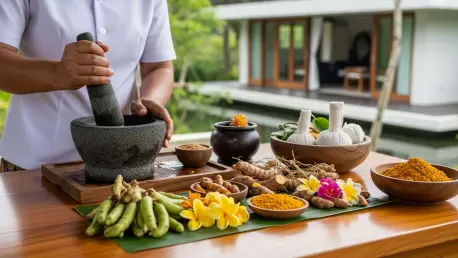

The turquoise waters of the Indonesian archipelago are witnessing a profound structural pivot as the national government moves away from the sheer volume of international arrivals toward a more sustainable, high-value wellness ecosystem. This strategic evolution prioritizes the quality of stay over the quantity of visitors, effectively transforming the traditional vacation into a deep-seated restorative experience. By late 2026, the focus has narrowed on the golden triangle of Bali, Yogyakarta, and Solo, where the natural environment and ancient traditions intersect to create a unique value proposition for the global traveler. Instead of catering to the transient nature of mass tourism, the current initiative seeks to foster an environment where guests remain longer, engage deeper with local customs, and contribute to an economy that values environmental stewardship alongside profit. This recalibration is not merely a marketing adjustment but a complete overhaul of the national tourism identity that leverages Indonesia’s most authentic assets to meet the rising global demand for holistic health and spiritual rejuvenation.
Integrating Cultural Identity: The Philosophy of Healing
At the heart of this transformation lies a philosophy that treats wellness not as an isolated amenity, but as a fundamental thread woven into the fabric of the Indonesian travel experience. This approach, often referred to as cultural healing, moves beyond the standard spa treatments found in international hotel chains to offer immersive journeys into Javanese mindfulness and ancestral practices. By integrating traditional arts, such as batik making and court dancing, with modern therapeutic techniques, the program ensures that every guest interaction reinforces a sense of place and heritage. Travelers are invited to explore the spiritual depths of the islands through guided meditation sessions led by local practitioners who have inherited their knowledge through generations. This seamless blend of history and health creates a narrative where the visitor is not just a passive observer but an active participant in a living tradition, fostering a connection that persists long after the trip concludes.
Rather than treating wellness as a secondary service, the current strategy positions it as the primary motivator for travel by highlighting the scientific and spiritual benefits of indigenous practices. The initiative focuses on the concept of Jamu, a traditional herbal medicine system that uses locally sourced roots, flowers, and spices to promote internal balance and vitality. Local experts are now working alongside modern nutritionists to standardize these offerings, ensuring they meet international health expectations while retaining their cultural authenticity. This integration extends to the architectural design of new retreats, which prioritize low-impact construction and the use of natural materials to mirror the surrounding landscape. By grounding the wellness experience in the physical and cultural reality of the region, Indonesia is setting a new benchmark for what it means to travel with purpose. This holistic model ensures that the economic benefits of tourism are intrinsically linked to the preservation of the nation’s diverse cultural identity.
Regional Specialization: From Royal Courts to Sacred Sites
The 2026 framework intentionally diverges from a Bali-centric model by positioning Central Java as the cultural soul of the national wellness program. While Bali maintains its status as a leader in eco-certified luxury and yoga-based retreats, the cities of Solo and Yogyakarta offer specialized experiences that are deeply rooted in royal Javanese traditions. Solo, often considered the heart of Javanese culture, focuses on court dance therapies and the complex pharmacology of Jamu, providing a sophisticated environment for those seeking intellectual and physical refinement. In contrast, Yogyakarta utilizes its proximity to world-renowned historical landmarks to offer meditation walks and family-oriented wellness programs that emphasize connection and history. This regional diversification allows the country to cater to a broader range of interests while preventing the environmental degradation often associated with over-tourism in a single location. By spreading the visitor footprint, the government ensures that the benefits of this high-value model reach multiple communities.
To support this expansion, marketing efforts are being meticulously tailored to attract high-value demographics, specifically targeting Millennials and Gen Z travelers who prioritize meaningful experiences over luxury for its own sake. These younger cohorts are increasingly seeking micro-cations that offer a total reset from the digital world, and Indonesia’s new wellness hubs are perfectly positioned to meet this demand. Furthermore, a significant emphasis has been placed on the Japanese market, which has historically shown a strong and consistent interest in Indonesian wellness and traditional healing. Local guides and service providers are undergoing specialized training to understand the cultural nuances and expectations of these visitors, ensuring a level of service that matches the high quality of the offerings. This targeted approach is designed to build long-term loyalty among travelers who are willing to invest more in their personal health and growth, thereby stabilizing the tourism economy against the volatility of the global mass travel market.
Economic Growth: Capitalizing on the Global Wellness Market
The economic logic behind this pivot is supported by projections showing that the global wellness travel segment is expected to exceed one trillion dollars by 2029. Indonesia is strategically positioning itself to capture a significant share of this market by formalizing and scaling its existing health-related offerings into a professionalized industry. Domestically, the market is already showing signs of robust growth, with a substantial percentage of international visitors already participating in some form of wellness activity during their stay. By creating a unified brand and high standards for these services, the country is moving from a fragmented collection of local spas to a globally recognized destination for high-end health tourism. This shift is expected to increase the average daily spend per visitor and extend the average length of stay, which are critical metrics for sustainable economic development. The government is also encouraging private investment in wellness infrastructure, providing tax incentives for projects that meet strict sustainability and cultural integration criteria.
A cornerstone of this economic strategy is the establishment of a clear legal and regulatory distinction between general wellness retreats and specialized medical tourism. Wellness activities, such as herbal sessions, yoga, and meditation, remain highly accessible under standard tourist entry requirements, allowing for a low barrier to entry for the majority of visitors. Conversely, clinical medical treatments are being funneled through a specific framework involving eighteen designated pilot hospitals and specialized medical visas. This transparency is vital for building trust with international travelers, as it provides them with the confidence that they are receiving services within a regulated and safe environment. By bifurcating these two sectors, the government can tailor its regulations and marketing to the specific needs of each group, ensuring that medical tourists receive high-level clinical care while wellness travelers enjoy a seamless and relaxing holiday. This regulatory clarity is a key factor in attracting international partnerships and elevating the global reputation of the Indonesian health sector.
Navigating Logistics: Protecting the Modern Traveler
For travelers seeking the tranquil retreats of Central Java, the journey often involves navigating complex logistical pathways that typically require a connection through Jakarta’s international hub. Given the tropical climate of the region, afternoon weather patterns frequently result in flight delays, which can complicate the travel experience for those on tight schedules. To mitigate these challenges and maintain the image of a high-quality destination, the government has strengthened the enforcement of passenger rights and airline accountability. These protections are essential for building trust with high-spending visitors who may be traveling with expensive specialized equipment for their wellness activities. By ensuring that the transportation infrastructure is supported by reliable legal standards, Indonesia is demonstrating its commitment to a premium travel experience that respects the time and investment of its guests. These logistical improvements are part of a broader effort to modernize the entire travel chain, from the moment a visitor lands to their final departure from the archipelago.
Under current regulations, passengers are entitled to specific and immediate compensations for airline-controllable delays, ranging from provided meals to direct cash payments for extended wait times. International travelers, particularly those arriving from the United States, benefit from rigorous refund policies that mandate the return of ticket costs if a flight is canceled or significantly altered. Furthermore, the application of the Montreal Convention provides a standardized international framework for baggage claims, which is particularly relevant for wellness tourists carrying high-value personal items. These consumer protections act as a safety net that encourages travelers to venture beyond the traditional entry points and explore the more remote wellness hubs in the interior of Java. The emphasis on passenger advocacy ensures that even when logistical hurdles arise, the traveler feels supported and valued by the host nation. This focus on the secondary aspects of the travel experience is what truly differentiates a quality-centric tourism model from one that simply focuses on arrival numbers.
Community Integration: Sustaining Local Artistic Heritage
The successful rollout of the new wellness strategy culminated in the highly anticipated Wonderful Indonesia Wellness Festival, which took place in late 2026. This major event successfully linked the cultural hubs of Solo and Yogyakarta, serving as a prominent commercial platform for local artisans, herbalists, and traditional fitness instructors to showcase their expertise. By placing the spotlight on local talent, the festival ensured that the economic rewards of the wellness boom were distributed directly into the hands of the community members rather than remaining concentrated within international hotel chains. This model of community-based tourism development was designed to preserve the social fabric of the regions while providing sustainable livelihoods for those who maintain the country’s cultural traditions. The festival also served as a catalyst for local infrastructure improvements, such as the restoration of historic sites and the development of new public spaces that benefit both residents and visitors alike, reinforcing the idea that tourism should be a mutually beneficial endeavor.
The government ensured that stakeholders adopted these protocols by establishing long-term training centers that focused on both traditional skills and modern service standards. Travelers realized the benefits of this approach as they engaged with authentic practitioners who possessed a deep understanding of their craft, leading to a more profound and satisfying experience. These efforts successfully transformed the perception of Indonesia from a budget-friendly beach destination into a premier global hub for sophisticated and culturally rich wellness travel. By prioritizing environmental sustainability and cultural integrity, the nation provided a viable blueprint for other developing economies seeking to balance economic growth with heritage preservation. Moving forward, the focus remained on refining these specialized services and expanding the wellness network to other islands, ensuring that the momentum generated by the 2026 initiative continued to drive the industry. The integration of local wisdom with professionalized standards proved to be the decisive factor in redefining the future of quality tourism in Southeast Asia.