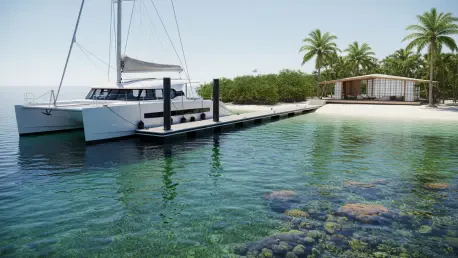

The archipelago of Saint Vincent and the Grenadines is currently undergoing a transformative shift that prioritizes ecological preservation over traditional high-volume resort development models. This evolution is driven by a recognition that the region’s primary asset—its pristine marine and terrestrial environment—is also its most fragile. Luxury travelers now demand more than just opulence; they seek authenticity and a tangible commitment to environmental health. Consequently, developers in the Grenadines are increasingly adopting modular construction techniques and off-grid energy solutions that minimize the physical footprint on sensitive cay ecosystems. By focusing on low-density projects, the nation effectively avoids the pitfalls of over-tourism seen elsewhere in the Caribbean. This strategy ensures that high-net-worth individuals can enjoy seclusion while contributing to a national economy that values long-term stability over short-term gains. The integration of high-end hospitality with rigorous conservation standards represents a fundamental change in how Caribbean nations approach economic growth through international tourism.
Environmental Innovation: Powering Seclusion Through Green Tech
Solar energy adoption has become a cornerstone of luxury operations across the Grenadines, with several private island resorts achieving near-total energy independence through advanced microgrid systems. These installations utilize high-capacity lithium-ion battery storage to capture energy during peak daylight hours, ensuring that the quietude of the islands is never interrupted by the hum of diesel generators. Furthermore, water scarcity is being addressed through solar-powered desalination plants that provide potable water without the heavy carbon footprint usually associated with such intensive processes. Beyond energy, waste management has seen a radical overhaul through the implementation of circular economy principles. Organic waste is routinely diverted to on-site composting facilities that nourish organic gardens, which in turn supply the resorts’ kitchens with fresh produce. This closed-loop system reduces the necessity for carbon-heavy imports while enhancing the culinary experience for guests who prioritize locally sourced ingredients.
The protection of the Tobago Cays Marine Park serves as a central pillar for the sustainable luxury movement, acting as a laboratory for coral restoration techniques that are being scaled throughout the region. Resorts are no longer passive observers of the ocean; they are active participants in reef health through the deployment of Biorock technology and extensive coral nurseries managed by resident marine biologists. These initiatives offer guests the opportunity to engage in citizen science, fostering a deeper connection to the destination that goes far beyond traditional leisure activities. By investing in the restoration of staghorn and elkhorn coral, the hospitality sector is essentially insuring its own future against the impacts of rising sea temperatures and storm surges. This proactive environmental management is complemented by strict regulations regarding yachting and anchorages, which prevent damage to seagrass beds inhabited by green sea turtles. Such measures demonstrate that high-end tourism can function as a protective force for biodiversity rather than a catalyst for its degradation.
Socioeconomic Strategy: Establishing Long-Term Economic Resilience
Governmental policy has shifted to align with these private sector advancements, creating a regulatory environment that incentivizes green building certifications and sustainable land use. From 2026 to 2028, the administration is focusing on expanding the National Blue Economy Strategy, which seeks to balance the commercial interests of tourism with the traditional livelihoods of local fishing communities. This involves the creation of designated zones where low-impact luxury developments are permitted only if they contribute directly to public infrastructure or conservation funds. Additionally, the development of specialized vocational training programs ensures that the local workforce is equipped with the skills necessary to excel in high-stakes hospitality roles. By prioritizing local hiring and upward mobility, the luxury sector fosters a sense of communal ownership over the tourism industry. This prevents the social friction often associated with enclave tourism and ensures that wealth generated by international visitors circulates effectively through the local economy.
The successful transition toward this sustainable luxury model established a new standard for the Caribbean by proving that environmental stewardship could drive high-end demand. Investors found that prioritizing long-term ecological health over rapid expansion resulted in significantly higher property values and lower operational costs due to energy efficiency. It became evident that the future of island tourism depended on the ability to integrate advanced data analytics with traditional conservation methods. To build on this success, developers began implementing comprehensive blue-carbon credit programs that monetized the protection of local mangroves and seagrasses. Furthermore, there was a shift toward modular, regenerative architecture that allowed resorts to be disassembled or repurposed without leaving a permanent scar on the landscape. By treating the environment as a vital infrastructure asset rather than a commodity, the region prepared itself for climate challenges while maintaining its status as a premier destination for the world’s most discerning travelers.