
Katarina Railko is a distinguished expert in hospitality technology and guestroom design, having refined her expertise through years of high-level engagement in the travel, tourism, and entertainment sectors. With a specialized focus on how architectural technology influences the guest journey, she has become a key voice in helping brands navigate the intersection of luxury and utility. In this discussion, we explore the evolution of bedside technology, focusing on the shift from standalone tabletop accessories to integrated, flush-mounted power platforms. Railko shares her insights on how streamlining hardware into a single SKU simplifies the complex logistics of hotel procurement while providing designers with a standardized “design once, deploy everywhere” framework that enhances both millwork aesthetics and long-term operational flexibility.
Transitioning from separate outlet modules, USB hubs, and light switches to a single integrated SKU significantly changes the procurement process. How does consolidating these four line items into one panel reduce logistical friction, and what specific installation efficiencies are gained during large-scale hospitality deployments?
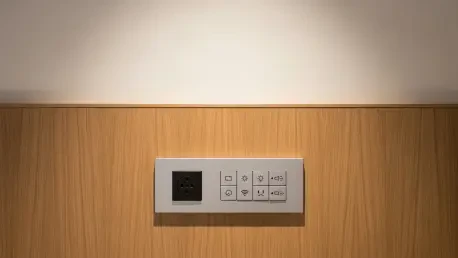
Consolidating these four distinct components into a single SKU fundamentally reimagines the supply chain for a major hotel rollout. Instead of tracking separate orders for outlet modules, USB hubs, bedside switches, and nightlights, procurement teams manage just one piece of hardware. This reduction in moving parts minimizes the risk of shipping delays or mismatched finishes that often plague large-scale hospitality projects across various brand flags. During installation, electricians and furniture installers only have to deal with one integrated unit and one wiring point rather than multiple devices, which significantly cuts down on labor hours. The result is a much cleaner, more consistent result that allows a property to get rooms ready for guests much faster than traditional methods allow.
Specifying a single cutout size for various hardware configurations allows for flexibility across different room types and brand flags. What challenges do designers typically face when adapting millwork for different properties, and how does this standardized approach simplify the long-term maintenance and hardware upgrading process?
Designers traditionally struggle with the need to redesign casegoods for every property tier, as different brands often demand different technology packages. By utilizing a single standard cutout, a furniture manufacturer can use one CNC program for every room variation, creating a tactile sense of consistency throughout the production phase. This “design once, deploy everywhere” principle means that if an owner decides to upgrade a room from a basic power setup to one with laptop-ready charging, they can simply swap the unit without any expensive millwork modifications. It removes the physical anxiety of hardware becoming obsolete because the furniture itself remains ready for the next iteration of the technology platform. This modularity ensures that the room’s architecture remains relevant and functional for years, even as guest expectations for power and connectivity continue to climb.
Modern travelers require high-speed USB-C charging for laptops alongside traditional bedside lighting controls. Since these panels can feature laptop-ready power and optional nightlights, how do you determine which hardware combinations best serve different property tiers, and what guest behaviors drove the inclusion of integrated nightlights?
Determining the right hardware mix depends on the specific needs of the traveler, whether they are a business professional needing high-speed laptop power or a leisure traveler looking for simple phone charging. We analyzed how guests interact with the bedside environment, noticing a significant trend where guests often use their phone flashlights to navigate dark, unfamiliar rooms at night. This behavior directly inspired the inclusion of the optional warm LED nightlight, providing a soft glow that enhances safety and comfort without the harshness of a main lamp. By offering four distinct configurations, including dual USB-C and USB-A options, owners can provide specialized tech in executive suites while maintaining a streamlined version for standard rooms. This level of customization ensures that every guest feels their specific tech needs are met through a flush-mounted panel that feels like a natural part of the room.
Hospitality electronics must withstand constant use and meet strict safety standards like tamper-resistance for AC outlets. Beyond basic compliance, what engineering steps ensure that built-in furniture platforms remain durable over years of guest turnover, and what does the step-by-step testing process look like for this hardware?
In a hotel environment, hardware is subjected to heavy, often rough, daily use that residential products simply aren’t built to handle. Every unit is engineered with dual tamper-resistant AC outlets, ensuring that internal shutters prevent foreign objects from being inserted, which is a critical safety factor for modern hospitality brands. The testing process involves rigorous mechanical stress tests on the charging ports and switches to guarantee they can withstand thousands of cycles without the connection speed or tactile “click” degrading. We also focus on the material integrity of the faceplates to ensure they resist the harsh chemical cleaners used by housekeeping staff during daily room rotations. By treating these units as part of the room’s permanent architecture rather than a disposable accessory, we provide a level of structural reliability that supports a property’s long-term health.
Integrating power directly into the architecture of a room marks a shift from standalone bedside accessories like alarm clocks. How does moving technology from the tabletop into the furniture itself impact the overall aesthetic of a guestroom, and what feedback have you received from owners regarding bedside clutter?
Moving technology from the tabletop into the millwork creates a minimalist, sophisticated aesthetic that instantly elevates the visual “quietness” of the guestroom. Owners have consistently shared that tabletop clutter—tangles of cords and bulky alarm clocks—is one of the biggest detractors from a high-end guest experience. By integrating power and lamp controls into a single flush-mounted panel, we free up valuable real estate on the nightstand for the guest’s personal items, like a book or a glass of water. This evolution allows the designer’s original vision for the furniture to shine through without being obscured by plastic accessories or tangled wires. It transforms the bedside from a chaotic charging hub into a streamlined command center that feels both intentional and luxurious to the touch.
What is your forecast for guestroom power integration?
I forecast that guestroom power will soon become completely invisible and fully symbiotic with the room’s physical structure, moving far beyond the era of separate fixtures. We will see a shift where every surface—from the desk to the headboard—is pre-configured with modular cutouts that can be updated as charging standards evolve from USB-C to whatever follows. The focus will intensify on personalized lighting and power combinations that automatically adjust based on guest profiles, making the room feel like it was custom-built for that specific traveler. Ultimately, the goal is for technology to serve the guest so seamlessly that they never have to hunt for an outlet, allowing the hospitality experience to remain centered entirely on comfort and ease.