
The emerald waters of Ha Long Bay and the verdant expanses of the Mekong Delta are currently undergoing a profound transformation as Vietnam seeks to reconcile its booming travel industry with the urgent necessity of ecological preservation. This shift represents a significant departure from the high-volume, low-margin models of the past, moving instead toward a “high-value” approach that treats the environment as a finite asset rather than an inexhaustible resource for exploitation. By prioritizing circular economy principles, the nation is working to decouple economic growth from environmental degradation, ensuring that tourism becomes a regenerative force rather than a destructive one. Central to this strategy is the pursuit of net-zero carbon emissions by 2050, a goal that requires the integration of renewable energy, waste-to-resource technologies, and a radical rethinking of how visitors interact with the landscape. This evolution is not merely a policy adjustment but a fundamental cultural shift within the tourism sector.
Targeted Implementation: Strategies for Local Ecosystems
Reforming Maritime Tourism: Lessons From Ha Long Bay
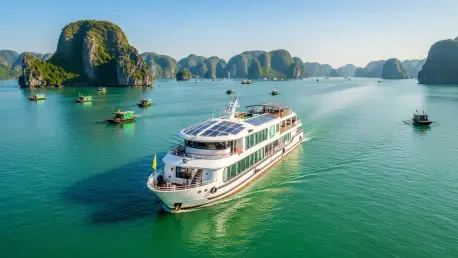
In the iconic waters of Ha Long Bay, the focus of circularity is primarily centered on the reformation of the cruise industry to protect its UNESCO-listed marine biodiversity from the pressures of daily traffic. Operators are increasingly incentivized to adopt eco-certified vessels that feature advanced, closed-loop waste-treatment systems capable of handling graywater and sewage without discharging pollutants into the bay. Furthermore, the phasing out of single-use plastics across all tour boats has significantly reduced the volume of debris entering the water, which was previously a major challenge for local park authorities. These efforts are coordinated through a comprehensive management plan that monitors the carrying capacity of specific zones, ensuring that the number of visitors does not exceed the environment’s ability to regenerate. By integrating these circular practices, the region is successfully maintaining its aesthetic appeal while mitigating the negative externalities associated with mass maritime tourism.
Coastal Resilience and Waste Innovation: The Case of Phu Quoc
On Phu Quoc Island, the circular strategy is designed to address the specific impacts of rapid resort development on coastal health and the fragile coral reef systems surrounding the province. The focus here is on the implementation of “graywater” recycling and organic waste composting to minimize the environmental footprint of the hospitality sector, which has traditionally been a heavy consumer of resources. By sourcing food locally and curbing the use of imported plastic-packaged goods, the island is reducing its reliance on long-range logistics and lowering its overall carbon emissions while simultaneously supporting the local agricultural economy. Many luxury resorts have now established their own onsite filtration plants, allowing treated water to be reused for landscaping and cooling systems rather than being discarded. This approach not only conserves the island’s limited freshwater supplies but also prevents nutrient-rich runoff from damaging the nearby marine parks and seagrass beds that are vital for local biodiversity.
Heritage Conservation: Low-Impact Travel in Northern Vietnam
The heritage sites of Ninh Binh and Trang An are implementing low-impact eco-tours to preserve their pristine karst landscapes and ancient cultural landmarks from the physical wear of high-density visitation. By limiting the visitor footprint and promoting non-motorized transport, such as traditional rowboats and cycling, the region effectively protects its geological wonders from the erosion and noise pollution caused by motorized vehicles. This approach allows travelers to experience the area’s natural beauty in a way that is profoundly respectful of the environment’s carrying capacity and historical significance. Local authorities have also introduced strict zoning regulations that prevent the encroachment of large-scale infrastructure into sensitive areas, favoring instead the use of sustainable building materials and traditional architectural styles. This strategy ensures that the visual integrity of the landscape remains intact, providing a high-quality experience for tourists while maintaining the ecological health of the river systems.
Community Integration: Economic Loops in Hoi An
Cultural and agricultural integration serves as the priority in Hoi An and the Mekong Delta, where circularity is being used to strengthen the link between the tourism industry and local community livelihoods. By supporting community-run homestays and connecting tourists directly with local farmers and artisans, these regions ensure that the economic benefits of travel remain within the local community rather than being siphoned off by external corporations. This “short-circuit” economic model reduces the need for long-distance transport and keeps resources and value flowing through a local loop, which inherently lowers the carbon footprint of each visitor stay. In the Mekong Delta, for example, agritourism initiatives allow visitors to participate in sustainable farming practices, providing farmers with a secondary income stream that incentivizes the preservation of traditional land use. This symbiotic relationship turns tourism into a powerful tool for cultural preservation and climate resilience, as local residents become the primary guardians of their environment.
Infrastructure Evolution: Building Sustainable Support Systems
Implementing Closed-Loop Resource Management: Hospitality Innovation
A major part of the national transition involves overhauling tourism infrastructure to support marine conservation through the adoption of sophisticated closed-loop systems in hotels and resorts. Coastal and island properties are increasingly encouraged to divert organic kitchen waste to nearby specialized composting facilities or use it for biogas production to power on-site kitchens. This transformation is coupled with the use of treated wastewater for landscaping and building maintenance, which is another way the industry is reducing its impact on sensitive coastal ecosystems and precious freshwater supplies. These technical upgrades are supported by national green building standards that mandate energy efficiency and waste reduction in all new tourism developments. By embedding circularity into the physical foundations of the hospitality sector, the government is ensuring that the growth of the industry does not come at the expense of the vital natural resources that attract visitors to the country in the first place.
Advancing Green Maritime Standards: Clean Energy and Vessel Tech
The maritime sector is also shifting toward greener shipping practices to mitigate the effects of wastewater discharge and plastic pollution across the nation’s extensive coastline and river networks. High standards for energy efficiency and waste management on ships are becoming the national norm, especially in sensitive maritime areas where the impact of propulsion systems and bilge water is most acute. These changes are positioning the country as a regional leader in sustainable maritime travel by setting strict environmental benchmarks for all vessel operators, including both domestic ferries and international cruise lines. The transition includes the modernization of port facilities to provide shore-to-ship power, which allows vessels to turn off their engines while docked, thereby reducing air pollution in harbor cities. Such infrastructure improvements are essential for maintaining the health of the maritime environment while supporting the continued growth of water-based tourism, which remains a cornerstone of the national travel strategy.
The Human Element: Social Circularity and Engagement
Fostering Social Circularity: Empowering Local Communities
“Social circularity” ensures that the transition to sustainable tourism benefits local residents as much as the environment by creating a reciprocal relationship between the visitor and the host. When travelers choose community-run stays or buy handicrafts directly from local villages, they help provide the financial means for these communities to protect their own surroundings and maintain traditional skills. This symbiotic relationship turns tourism into a tool for poverty alleviation and cultural preservation rather than a force for displacement or cultural homogenization. By keeping capital within the local ecosystem, the circular model fosters a sense of ownership among residents, who are then more likely to support conservation efforts and sustainable resource management. This bottom-up approach is vital for the long-term success of the national strategy, as it ensures that the people most affected by tourism are the ones driving its evolution toward a more equitable and resilient future for all.
Cultivating Responsibility: The Path to Net-Zero
The success of this model ultimately depends on the participation of responsible travelers who align their actions with the national sustainability goals and the principles of the circular economy. By choosing eco-certified providers, minimizing waste, and supporting local businesses that prioritize environmental health, visitors contribute directly to the long-term resilience of the tourism sector. This shift toward quality over quantity ensures that the most iconic destinations remain vibrant and viable for future generations without being overwhelmed by the pressures of overcrowding. Educational programs aimed at visitors now emphasize the importance of the “leave no trace” philosophy, encouraging a deeper appreciation for the ecological and cultural nuances of each destination. As travelers become more aware of their impact, they serve as active participants in the circular loop, helping to drive demand for sustainable practices and rewarding businesses that invest in the protection of the environment and the local community.
Actionable Pathways for Future Growth
The structural changes implemented across the tourism sector provided a clear framework for long-term ecological and economic stability. By focusing on site-specific strategies in areas like Ha Long Bay and the Mekong Delta, the government successfully integrated resource efficiency into the core of the traveler experience. These initiatives demonstrated that reducing waste and recycling water were not just environmental necessities but also served to enhance the overall quality of the tourism product. The move toward social circularity ensured that the financial benefits reached the local populations, which in turn fostered a culture of stewardship over natural resources. Moving forward, the industry was encouraged to expand these circular models to less-developed regions to prevent the mistakes of the past from being repeated. Strategic investments in green technology and community education remained the primary drivers of success, showing that a sustainable transition was possible through coordinated effort and a commitment to long-term value over short-term gain.