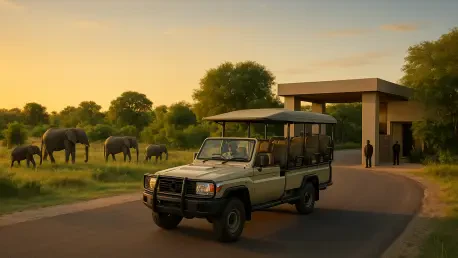

While Gaborone faces higher urban crime rates, Maun presents a different set of challenges centered on environmental hazards and the physical infrastructure of the northern frontier. As the vital gateway to the Okavango Delta, this town has evolved into a logistical powerhouse for Botswana’s safari industry, balancing modern hospitality with the raw realities of the African bush. By 2026, the town’s security profile remains relatively stable, yet it is often misunderstood by those arriving from more conventional urban environments. The safety index currently sits around 82, a number that reflects a generally secure atmosphere but one that demands constant vigilance regarding non-violent risks. Travelers often arrive expecting the standard threats of a metropolitan area, but in Maun, the hazards are more likely to involve a wandering elephant or a poorly lit sand track than a coordinated criminal enterprise. Navigating this landscape requires a shift in mindset, moving away from a fear of people and toward a deep respect for the environment and the local infrastructure. Success in Maun is defined by preparation, from understanding the seasonal water levels to knowing which parts of the river harbor territorial wildlife. This guide aims to dismantle the myths and present a clear-eyed view of what it means to stay safe in one of the most unique transit hubs on the continent. By examining the intersection of modern security and wild nature, visitors can better understand the nuances of travel in northern Botswana.
Transportation Dynamics: Navigating the Road Network
Transportation is statistically the most significant hazard for visitors in Maun, stemming from a unique mix of road conditions and unpredictable traffic participants. The town’s road network is a complex tapestry where modern asphalt quickly gives way to deep, treacherous sandy tracks that can trap an inexperienced driver in seconds. On the main arterial routes, such as the A3 highway, the danger is less about the surface and more about the diverse range of users sharing the space. High-speed safari vehicles, local commuter minibuses, and heavy supply trucks must navigate around donkeys, goats, and cattle that frequently wander into the path of oncoming traffic. In the outskirts of town, the presence of larger wildlife, including elephants, adds a layer of complexity to daytime driving that few international visitors are prepared for. This convergence of livestock and high-speed machinery creates a constant risk of collisions, necessitating a defensive driving style that prioritizes animal behavior over traditional traffic signals.
Infrastructure limitations further complicate travel, particularly during the transition from day to night. Many secondary roads and residential areas lack consistent street lighting, which makes it nearly impossible to detect deep potholes, pedestrians in dark clothing, or animals resting on the warm tarmac after sunset. Consequently, there is a strong consensus among security experts that driving outside of the well-lit town center at night should be avoided entirely by those who do not possess local knowledge. For necessary movement after dark, travelers are encouraged to rely on licensed taxis or pre-arranged transport provided by their respective lodges. These professional drivers are accustomed to the rhythms of the town and are better equipped to spot hazards that an uninitiated visitor would likely miss. This reliance on professional transport is not merely a convenience but a fundamental safety strategy that mitigates the most common cause of injury in the region, ensuring that the journey remains focused on the adventure of the delta rather than the frustrations of a roadside emergency.
Personal Security: Mitigating Crime and Theft Risks
While Maun does not experience the high levels of violent crime seen in larger regional capitals, opportunistic theft remains a persistent medium-risk concern for the unwary traveler. Pickpocketing and bag snatching are most common in crowded commercial hubs such as the Old Mall, busy bus terminals, and the various supermarket parking lots where tourists often congregate to stock up on supplies. Individuals carrying visible high-end photography equipment or bulky wallets are frequently viewed as primary targets by opportunistic actors who monitor these high-traffic zones. Maintaining situational awareness is the most effective tool for prevention, which includes keeping bags zipped and held closely to the body. It is also advisable to avoid displaying large amounts of cash when paying for small items, as this can draw unnecessary attention in a community where the economic disparity between visitors and locals is often quite pronounced. By adopting a “safari-casual” approach to valuables, visitors can significantly reduce their profile as a target for petty crime.
Personal safety risks increase significantly once the sun sets, particularly for those who attempt to walk between venues or back to their accommodation. Mugging and robbery incidents are more likely to occur in poorly lit or secluded areas that lie away from the main lodge districts and the primary commercial strip. To maintain a high level of security, visitors should adopt a zero-tolerance policy for walking at night, regardless of how short the distance may seem. Even a five-minute walk to a nearby riverside restaurant should be handled via a trusted vehicle or a taxi recommended by reputable hotel staff to avoid unnecessary exposure to both human and environmental threats. Furthermore, keeping car doors locked while driving and ensuring that no valuables are left visible inside a parked vehicle are standard practices that prevent smash-and-grab incidents. These small, consistent habits form a robust defense against the most common security challenges in Maun, allowing travelers to enjoy the town’s vibrant atmosphere without falling victim to avoidable crimes.
Health and Climate: Managing Environmental Hazards
Maun’s geographic position in northern Botswana places it squarely within a malaria-endemic region, making comprehensive health preparedness a year-round necessity for every visitor. While the risk of transmission peaks during the rainy season when standing water provides ample breeding grounds for mosquitoes, the insects are present throughout the year, and their impact should not be underestimated. Travelers must take proactive measures well before arrival, which includes consulting a specialized travel clinic to determine the most effective prophylactic medication for the specific strains found in the Ngamiland district. Beyond medication, the use of high-quality insect repellent containing DEET or Picaridin, combined with wearing long sleeves and trousers during the dawn and dusk hours, provides a physical barrier against bites. Many modern lodges also provide mosquito netting and electronic deterrents, but the responsibility for personal protection remains with the traveler. Ignoring these health protocols is one of the few risks in Maun that can lead to serious, long-term medical complications if a case of malaria is contracted and not treated immediately.
The semi-arid climate of the Kalahari fringe also presents significant physical challenges, specifically regarding extreme heat and the constant threat of dehydration. In the months leading up to the seasonal rains, temperatures can frequently soar above 100 degrees Fahrenheit, which can quickly lead to heat exhaustion or heatstroke for those unaccustomed to the intense African sun. Maintaining a high intake of fluids is essential, but travelers must also be discerning about the source of their water. While the municipal water in Maun is treated, the integrity of the distribution system can sometimes be compromised by local flooding or infrastructure maintenance. To prevent gastrointestinal issues that could disrupt a safari itinerary, most visitors find it safer to rely on bottled water or high-quality filtered systems provided by their accommodation. Additionally, the high altitude and dry air can mask the onset of sunburn, making the consistent application of high-SPF sunscreen and the use of wide-brimmed hats indispensable tools for maintaining physical well-being throughout the duration of a stay in the region.
Wildlife Encounters: Respecting the Natural Boundary
The proximity to the Okavango Delta means that dangerous wildlife is not confined to the national parks but is an ever-present factor in and around the town of Maun. The Thamalakane River, which serves as the scenic backdrop for many of the town’s premier lodges, is home to significant populations of hippos and crocodiles. These animals are highly territorial and are responsible for frequent human-animal conflicts that can turn fatal for those who disregard the risks. Swimming in the river or any natural waterway in the area is strictly discouraged, as crocodiles are masters of camouflage and can strike with incredible speed from the murky depths. Hippos, while appearing docile from a distance, are notoriously aggressive, particularly when they feel their path to the water is being obstructed. Local safety protocols emphasize keeping a respectful distance from the water’s edge and never attempting to approach these animals for a closer photograph. Understanding that the river is a wild habitat, even within town limits, is crucial for personal safety.
Terrestrial wildlife also poses a significant threat, particularly during the night when hippos leave the water to graze on the lush vegetation found on the riverbanks and in residential gardens. It is not uncommon for visitors to encounter these large mammals, or even the occasional hyena or wandering elephant, on the outskirts of town after dark. These encounters require a calm and knowledgeable response; travelers should never approach a wild animal on foot and must always follow the specific instructions provided by professional guides or lodge security personnel. The “wild” nature of Maun is part of its unique charm, but it demands a level of environmental awareness that is rarely required in other tourist destinations. By treating every animal encounter with caution and respecting the established boundaries between human settlements and the bush, visitors can safely enjoy the spectacular biodiversity that defines the region. This respect for the natural world is the cornerstone of the Maun experience, ensuring that human presence does not lead to avoidable tragedies for either the travelers or the wildlife.
Safety Zones: Identifying Secure Areas and Dangers
To maximize their security and peace of mind, travelers should focus their time within established “safety bubbles” that have been designed to cater to international visitors. Reputable lodges and safari camps offer controlled environments characterized by professional security details, perimeter fencing, and staff who are intimately familiar with the local security landscape. During daylight hours, the main commercial centers and supermarkets are perfectly safe for stocking up on supplies, provided that vehicles are properly secured and valuables are not left in plain sight. These areas are generally bustling with activity, and the presence of private security guards at most major establishments provides an additional layer of deterrent against petty crime. Engaging with local businesses and markets is a highlight of the Maun experience, and as long as one maintains a standard level of urban vigilance, these interactions are overwhelmingly positive and safe. The key is to remain within these well-trafficked zones and avoid wandering into unfamiliar residential or industrial areas without a specific purpose or a local guide.
Conversely, there are specific environments and activities that carry an inherently elevated risk and should be avoided by the average visitor. The banks of the Thamalakane River become significantly more dangerous after sunset due to the increased activity of predators and the nocturnal movements of hippos. Furthermore, independent off-road driving into the delta or nearby game reserves is highly discouraged for those who do not possess professional recovery gear and extensive experience in sand driving. The deep Kalahari sand and seasonal mud can easily strand a vehicle, turning a minor mechanical malfunction into a life-threatening survival situation in a remote area where cell phone coverage is non-existent. For those determined to explore the wilderness, hiring a professional guide or joining a coordinated mobile safari is the only way to ensure that mechanical or environmental issues do not escalate into disasters. These professionals carry satellite communication devices and have the technical skills necessary to navigate the challenging terrain, providing a safety net that is impossible to replicate as an independent traveler.
Strategic Travel: Regional Security and Logistics
The 2026 travel season demonstrated that Maun remained a bastion of relative peace when compared to other regional transit points. Travelers who adhered to the established safety protocols found that the town served as a seamless bridge between the comforts of modern society and the untamed beauty of the Okavango. The focus on infrastructure improvement and community-based security initiatives provided a foundation that supported a record number of international visitors. Those who prioritized environmental awareness and personal vigilance successfully navigated the unique risks of the northern frontier, ultimately contributing to a successful year for Botswana’s tourism sector. The transition from the bustling market centers to the quiet, star-filled nights of the delta was managed with precision by local operators who understood the intrinsic value of guest security. As the year progressed, the integration of better road signage and enhanced health surveillance ensured that Maun maintained its reputation as a safe and essential destination for the global safari community.
When regional hubs were compared, Maun consistently ranked as one of the more secure entry points for African exploration. It was generally observed to be more stable than the capital due to its lower population density and its economic reliance on a thriving, well-regulated tourism industry. While the town required more environmental vigilance than smaller, more controlled locations like Kasane, it offered a rewarding experience for those willing to engage with its rugged character. By respecting local laws, the harsh climate, and the unpredictable wildlife, visitors safely accessed one of the world’s most spectacular natural wonders. The proactive stance taken by the local authorities and the private sector ensured that the logistical hurdles of aviation weight limits and currency exchanges did not overshadow the travel experience. This period marked a significant chapter in the town’s history, where the balance between development and nature was maintained with careful consideration for the safety of all who passed through its gates.