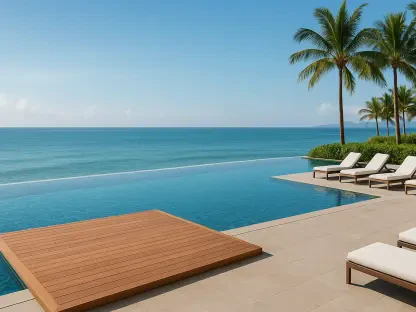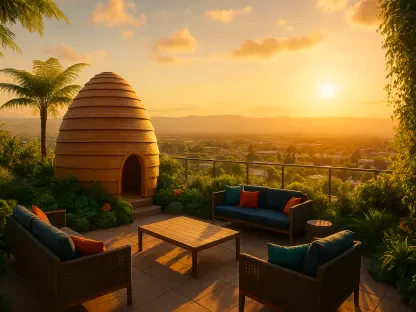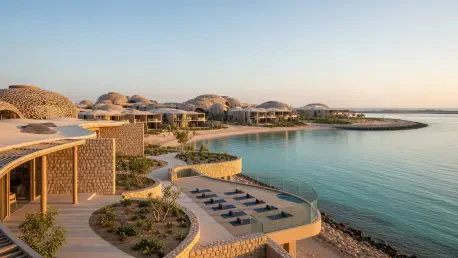

The global luxury landscape has recently moved past the era of mere material accumulation, pivoting instead toward the profound pursuit of personal transformation and mental equilibrium. This paradigm shift is most evident in the arrival of Miraval Red Sea on Shura Island, a development that represents the first international venture for the storied American wellness brand. Located within the ambitious Red Sea project in Saudi Arabia, this adults-only retreat seeks to establish a new gold standard by weaving its established mindfulness philosophy into the fabric of a high-tech, regenerative tourism destination. As travelers increasingly prioritize longevity and psychological well-being over conventional leisure, the integration of such a sophisticated wellness model into a primary international hub suggests that the industry is no longer satisfied with superficial spa services. The resort is not merely a place to stay but a structured environment designed to facilitate deep internal change, setting a benchmark that challenges other global players to rethink the intersection of hospitality and health. This evolution reflects a growing realization that true luxury in 2026 is the ability to disconnect from digital noise while reconnecting with one’s own physical and mental state in a setting that respects the surrounding ecosystem. By grounding the guest experience in the “Life in Balance” philosophy, the brand is attempting to prove that high-end hospitality can be a catalyst for sustained personal growth rather than a temporary escape from reality.
Strategic Global Expansion and Cultural Integration
The decision to transition a quintessentially American brand into the Middle Eastern market signifies a maturing of the global wellness industry, where core values of mindfulness are now viewed as universal rather than regional. This expansion into Saudi Arabia represents a calculated move to meet the demands of a new generation of high-net-worth travelers who are seeking immersive experiences in emerging, pristine locations. By exporting its holistic health model to Shura Island, the brand is effectively testing the scalability of a philosophy that has spent decades being refined in the high deserts of the United States. This move is indicative of a broader trend where wellness brands are no longer tethered to their original geographies but are instead becoming global beacons for health-conscious tourism. The strategic selection of this specific location allows for a unique synergy between the brand’s established protocols and the burgeoning tourism sector of the Kingdom, creating a space where different cultural approaches to well-being can coexist and enrich one another. This integration is essential for the brand’s relevance in an increasingly interconnected world where travelers expect a seamless blend of familiar standards and exotic locales.
Furthermore, the arrival of such a specialized wellness entity in the Red Sea region serves as a bridge between diverse philosophical traditions, merging Western psychological insights with the historical healing practices of the Middle East. This cultural synthesis is not merely aesthetic; it is deeply embedded in the service delivery and the variety of treatments offered to guests who are often looking for a more profound connection to the places they visit. The resort operates as a focal point for a new type of cultural diplomacy, where health and vitality serve as the common language. This positioning attracts a sophisticated demographic that values long-term emotional and physical resilience over the fleeting indulgence typically associated with five-star resorts. As this international footprint expands from 2026 through the end of the decade, the emphasis on cultural adaptation will likely become the blueprint for other luxury brands looking to enter the region. By successfully navigating the nuances of a new market while maintaining its core identity, the resort is demonstrating that the appetite for structured mindfulness is a global phenomenon that transcends traditional borders and societal structures.
Architectural Harmony and Intentional Living Spaces
The physical environment of the resort plays a critical role in the wellness journey, utilizing a design language that seeks to dissolve the traditional boundaries between human-made structures and the natural world. Designed by the prestigious architectural firm Foster + Partners, the “Coral Bloom” concept utilizes organic shapes and soft, earth-toned palettes that mimic the intricate patterns of the local marine life and desert dunes. This architectural approach is grounded in biophilic principles, which suggest that proximity to natural forms can significantly lower cortisol levels and enhance cognitive function. By ensuring that every building on Shura Island feels like a natural extension of the landscape, the architects have created a setting where the environment itself acts as a therapeutic agent. The use of low-impact materials and innovative construction techniques further reinforces the resort’s commitment to regenerative tourism, ensuring that the luxury experience does not come at the cost of the fragile ecosystem. This intentionality in design ensures that guests are constantly reminded of their connection to the earth, a fundamental tenet of the mindfulness journey that the brand promotes.
Within this thoughtfully curated landscape, the 180 guestrooms and 20 private villas are designed as sanctuaries of quietude and introspection. Each space is far more than a place for sleep; it is a laboratory for personal mindfulness, equipped with specific tools such as meditation cushions, Tibetan singing bowls, and journals intended to prompt daily reflection. These inclusions are strategically placed to encourage guests to maintain their wellness practices in the privacy of their own quarters, bridging the gap between guided sessions and independent living. The twenty villas are particularly notable for their thematic organization, with names and layouts dedicated to concepts like “Reflection” and “Gratitude.” This thematic approach allows guests to choose an environment that aligns with their specific emotional or spiritual goals for their stay. The expansive views of the Red Sea coastline and the inclusion of private outdoor spaces ensure that the healing presence of the ocean is never more than a glance away. This meticulous attention to the psychological impact of living spaces sets a new precedent for how resort accommodations can be utilized to support a guest’s internal state of being.
Personalized Guidance and the Wellness Ecosystem
Central to the success of the resort’s mission is the role of the Experience Planners, who act as personal navigators for every guest throughout their stay. Unlike traditional concierges who focus on logistics and bookings, these planners are trained to understand the deeper motivations behind a guest’s visit, whether it be recovering from professional burnout, navigating a life transition, or improving physical fitness. This bespoke approach ensures that the itinerary is not a generic checklist of activities but a highly personalized roadmap toward specific wellness objectives. By shifting the focus from a passive stay to an active journey, the resort empowers guests to take ownership of their health. This level of personalized guidance represents a significant evolution in the luxury sector, where the ultimate service is no longer just convenience, but the provision of professional insight and emotional support. The interaction between the guest and the planner creates a sense of accountability and purpose, which is often missing from traditional vacation models where the primary goal is distraction rather than development.
The Life in Balance Spa functions as the primary hub for this transformative work, offering an expansive array of facilities that combine ancient wisdom with cutting-edge science. With 39 treatment rooms and dedicated spaces for water-based therapies and salt inhalation, the spa provides a multi-sensory environment that caters to a wide range of physiological needs. A standout feature is the integration of traditional Middle Eastern hammam rituals, which are reinterpreted through the brand’s mindfulness lens to emphasize purification and presence. The connection between the indoor treatment areas and the outdoor garden spaces ensures that the rhythm of nature is felt throughout the healing process, utilizing the coastal air and natural light to enhance the efficacy of the therapies. This wellness ecosystem is designed to be inclusive and adaptable, offering everything from high-tech recovery tools to quiet, contemplative spaces for silent meditation. By providing such a diverse and high-quality range of modalities, the resort positions itself as a comprehensive center for health that can address the complex, multifaceted nature of modern human vitality.
Diverse Programming and Frictionless Service Models
The educational component of the resort is perhaps its most distinguishing feature, as it seeks to provide guests with a toolkit for maintaining wellness long after they have departed Shura Island. In the Life in Balance Culinary Kitchen, the focus is on mindful nutrition, where guests participate in interactive workshops that teach the science of clean eating and the art of flavor without excess. This program moves beyond the standard healthy menu by educating the palate and the mind, ensuring that the benefits of the resort’s cuisine are reproducible at home. This emphasis on skill acquisition is a key differentiator in the high-end wellness market, as it transforms the stay from a period of temporary indulgence into a long-term investment in one’s lifestyle. Similarly, workshops in creative expression, such as pottery or photography, are used as vehicles for practicing presence and flow, helping guests to rediscover hobbies that nourish the soul. These diverse programs are structured to challenge the intellect and the body simultaneously, fostering a sense of holistic achievement that is deeply satisfying.
Complementing the indoor programming is a robust schedule of outdoor adventures that capitalize on the unique geography of the Red Sea. Activities such as kayaking through dense mangrove forests and guided stargazing sessions under the expansive desert sky are designed to induce a sense of awe, a psychological state that has been proven to reduce stress and increase life satisfaction. These experiences are not merely recreational; they are framed as opportunities to practice mindfulness in motion and to develop a deeper appreciation for the intricate beauty of the natural world. To facilitate this focus on the present moment, the resort utilizes a frictionless operational model that is entirely all-inclusive and gratuity-free. By removing the constant need to manage financial transactions or navigate the etiquette of tipping, the resort eliminates a significant source of low-level stress that often permeates luxury travel. This service model allows the relationship between staff and guests to be based on genuine care and professional excellence rather than transactional incentives, creating an atmosphere of trust and relaxation that is essential for deep personal work.
Long-Term Implications for the Wellness Industry
The introduction of this specialized wellness model to a global audience demonstrated that the future of high-end travel relied heavily on the successful integration of purpose and luxury. By establishing a presence in such a prominent international development, the resort proved that mindfulness was no longer a niche interest but a fundamental expectation for the modern traveler. The success of this venture highlighted the necessity for brands to move beyond the traditional “spa and gym” amenities, favoring instead a comprehensive ecosystem that addressed mental, emotional, and physical health in equal measure. This shift forced other major players in the hospitality industry to reconsider their own offerings, leading to a broader adoption of the “Life in Balance” philosophy across different markets. The emphasis on regenerative tourism and biophilic design also set a new standard for environmental responsibility, showing that it was possible to create a world-class destination that actively improved the site it occupied. As a result, the industry saw a move toward more sustainable and restorative practices that benefited both the guest and the planet.
Moving forward, the lessons learned from the integration of this American brand into a diverse cultural landscape provided a valuable roadmap for future global expansions. It became clear that the most successful wellness destinations were those that could remain true to their core values while authentically embracing the local context and traditions. The focus on providing guests with actionable skills and education proved to be the most enduring aspect of the experience, as travelers continued to seek out destinations that offered more than just temporary relaxation. This evolution in guest expectations meant that hospitality brands had to become educators and mentors as much as service providers. The frictionless, all-inclusive model also became more prevalent, as the industry recognized the psychological value of a truly worry-free environment. Ultimately, the benchmark set by this development redefined the boundaries of luxury travel, ensuring that the pursuit of personal growth remained the central pillar of the global wellness industry for years to come.