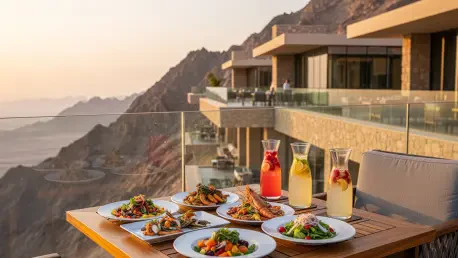

While many global travelers historically viewed the peak summer months in the United Arab Emirates as a period solely reserved for indoor retreats, a sophisticated transformation in Ras Al Khaimah is currently challenging that perception through a burgeoning culinary landscape. This northernmost emirate transitioned from a quiet coastal outpost into a dynamic hub where gastronomic innovation meets rugged natural beauty, offering a refreshing alternative to the traditional tourist corridors of Dubai or Abu Dhabi. The expansion of infrastructure and the arrival of world-class hospitality brands catalyzed a shift in how seasonal travel is approached, with food serving as the primary anchor for visitors. Rather than merely being a side note to desert excursions, the dining scene evolved into a sophisticated ecosystem that prioritizes local ingredients and international influences. This cultural maturation signaled a new chapter where the heat no longer deters enthusiasts seeking authentic flavors.
Regional Evolution: The Culinary Scene in the Northern Emirates
Cultural Fusion: Global Fine Dining and Local Heritage
The current landscape demonstrates a unique fusion where high-end international culinary techniques are applied to ingredients harvested directly from the Arabian Gulf and the surrounding fertile plains. Leading chefs from across Europe and Asia established permanent residencies in the emirate, drawn by the opportunity to experiment with traditional spices, dates, and locally caught seafood within an intimate setting. This integration is visible in newer boutique establishments that successfully marry the opulence of fine dining with the raw authenticity of the local environment. By moving away from standardized global menus, these venues created a specific culinary identity that resonates with a discerning demographic. The focus remains on depth and narrative, ensuring every plate tells a story of the region’s maritime history or agricultural resilience. This shift effectively positioned the area as a credible player in the global food scene, attracting attention from both critics and casual diners alike.
Green Infrastructure: Architectural Innovation and Sustainable Sourcing
A significant driver behind this gastronomic surge involves the commitment to sustainable sourcing through partnerships with local hydroponic farms and traditional fishing communities. Establishments now prioritize reduced carbon footprints by sourcing organic produce from the Digdaga area, ensuring that summer salads and vegetable-centric dishes remain fresh despite the temperatures. Architectural advancements also play a critical role, as modern dining spaces utilize passive cooling techniques and smart glass technology to provide expansive views of the mangroves without sacrificing thermal comfort. These structural innovations allow for an immersive experience where the boundary between the natural world and the dining room is blurred. Furthermore, the emphasis on waste reduction within professional kitchens reflects a broader regional commitment to environmental stewardship. As a result, the culinary sector serves as a benchmark for how luxury and sustainability can coexist, fostering a profound sense of responsibility.
Experience Diversification: Gastronomy Beyond the Coastline
Altitude and Atmosphere: High-Altitude Dining and Mountain Flavors
This approach naturally leads to the exploration of cooler climates, where the elevation of Jebel Jais provides a natural sanctuary with temperatures remaining significantly lower than at sea level. This geographical advantage led to the development of unique high-altitude dining concepts that capitalize on the dramatic scenery of the Hajar Mountains. Restaurants situated at these heights offer more than just a reprieve from the heat; they provide a specialized menu focused on mountain-grown herbs and robust flavors that reflect the rugged terrain. These venues became essential destinations for those who wish to experience the outdoors while enjoying sophisticated culinary offerings that are unavailable elsewhere in the country. The logistical feat of maintaining such high standards in a remote mountain environment speaks to the level of investment currently flooding the emirate. This diversification of the tourism profile ensured the mountain peaks remained just as busy as the coastal resorts.
Strategic Growth: The Future of Regional Gastronomy
The strategic focus on establishing the region as a premier food destination successfully altered the trajectory of seasonal tourism by proving that culinary excellence could thrive regardless of the climate. Stakeholders prioritized the development of a robust food infrastructure that supported local growers while attracting top-tier international talent to the northern shores. Travelers who previously avoided the region during the warmer months discovered that the innovative use of indoor-outdoor spaces and high-altitude locations provided a comfortable and engaging environment. The industry moved toward a model where food was the primary driver for economic growth, leading to increased investments in hospitality training and sustainable agriculture. This evolution confirmed that a dedicated focus on quality, heritage, and environmental consciousness could redefine a territory’s reputation. Future strategies were encouraged to explore deeper connections between technology and traditional cooking methods.