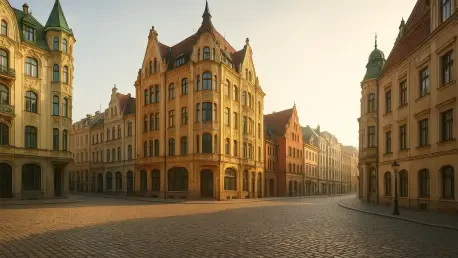

Although the exponential growth seen between 2022 and 2024 has slowed, Riga still anticipates a modest five percent increase in visitor arrivals by the end of 2026. This adjustment follows a robust recovery period where the city welcomed over 1.5 million guests annually, reinforcing its status as the primary engine for the Latvian travel sector. Currently, the city accounts for more than seventy-two percent of all foreign visitors to the nation, drawn by a sophisticated blend of Renaissance architecture and world-renowned Art Nouveau heritage. While the broader national arrival figures show a slight stagnation, Riga continues to stand out as a cultural hub that is successfully navigating the complexities of the current European market. The city’s ability to maintain its appeal amidst fluctuating global trends highlights a resilient infrastructure that caters to both history enthusiasts and those seeking a modern urban experience. This transition period reflects a maturing market that is moving away from rapid post-pandemic surges toward a more sustainable growth pattern.
Navigating Regional Pressures and Economic Shifts
Impact of Geopolitical Stability on Travel Choices
The geopolitical climate of the Baltic region continues to exert a significant influence on travel patterns, particularly concerning the psychological barriers faced by risk-averse tourists. Ongoing regional conflicts and reports of security concerns, such as unauthorized drones in Latvian airspace, have created a perceptible sense of tension that impacts the organized travel and international conference sectors. These large-scale events require high degrees of perceived stability for long-term planning, and the current atmosphere has led some organizers to remain cautious about committing to the region. However, local authorities have countered these concerns by maintaining high safety standards and transparency, ensuring that the city remains a secure destination for individual travelers. This geopolitical backdrop has forced a shift in marketing focus, moving toward markets that are less sensitive to regional news cycles. By emphasizing local stability and the peaceful daily life of the city, officials hope to mitigate these external pressures while maintaining a steady stream of arrivals.
Maintaining Value in a High-Inflation Environment
In addition to security considerations, economic fluctuations are playing a major role in shaping the travel landscape. Rising global fuel prices, exacerbated by international conflicts like the war in Iran, have inevitably led to higher airfares, which could have deterred budget-conscious travelers if not for the city’s competitive pricing in other areas. Riga remains a premier “value for money” destination, offering over 8,000 hotel rooms and 16,000 beds that foster a highly competitive environment among local hoteliers. This competition keeps accommodation prices attractive, providing a necessary buffer against the increased cost of transportation. While price sensitivity was less noticeable in previous seasons, the current year has seen visitors becoming more discerning about their spending, favoring destinations where their currency goes further. By positioning itself as a high-quality alternative to more expensive Western European capitals, the city successfully attracts a demographic that refuses to compromise on culture despite tighter budgets. This value proposition is central to the city’s ability to remain competitive.
Expanding Air Connectivity and Global Reach
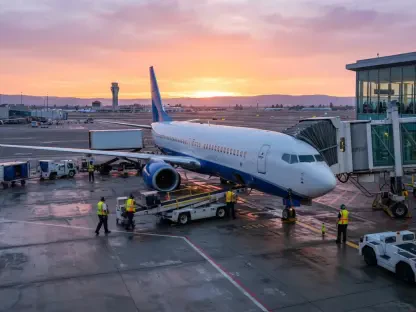
Reliable access remains a cornerstone of the city’s strategy, with the national carrier, airBaltic, continuing to provide a robust schedule of flights despite broader economic fluctuations. Local authorities are not resting on this single partnership; they are actively working to diversify airline options at Riga Airport to ensure long-term stability. By courting a wider variety of international airlines, the city aims to reduce its dependency on any one company and foster a more resilient transportation network. This diversification strategy is about opening direct routes to core and emerging markets like Spain, Italy, and the United States, where interest has surged recently. Increased competition among airlines typically leads to more favorable pricing for consumers, which is vital for maintaining the city’s status as an accessible destination. Furthermore, the airport’s infrastructure is being optimized to handle a broader range of aircraft, ensuring it can support future growth in visitor numbers from distant markets.
Strategic Growth Through Specialized Tourism
Capitalizing on the Coolcation Trend
A notable shift in European travel preferences has emerged as heatwaves in Southern Europe become more frequent and intense, giving rise to the “coolcation” trend. Riga is perfectly positioned to capitalize on this movement, offering a temperate and refreshing summer climate that serves as a welcome escape from the sweltering temperatures of the Mediterranean. This environmental advantage is being integrated into the city’s core marketing message, appealing to travelers who prioritize comfort and outdoor activity during their summer holidays. The city’s lush parks, nearby coastal areas, and walkable streets become significantly more attractive when compared to the extreme heat found in traditional sun-and-sand destinations. This strategy not only helps to distribute visitor numbers more evenly across the continent but also highlights the unique natural beauty of the Baltic region. By framing the city as a cool, revitalizing alternative, the tourism board is successfully attracting a more sophisticated and environmentally conscious demographic.
Leveraging Major Events and Cultural Assets
The strategic focus on high-profile sporting and cultural events has also proven to be a successful catalyst for drawing new visitor demographics. International ice hockey and basketball tournaments have become major draws, bringing in passionate crowds from across Europe and beyond who might not have previously considered the Baltics as a primary destination. These events provide a temporary but significant boost to the local economy and offer an opportunity to showcase the city’s hospitality and infrastructure to a global audience. Beyond sports, the city’s vibrant calendar of cultural festivals and contemporary art exhibitions ensures that there is a constant stream of activity to engage diverse interests. This event-driven approach creates a sense of urgency for potential visitors, giving them a specific reason to book a trip during certain times of the year. By leveraging these cultural and athletic milestones, the city can maintain a steady flow of arrivals while building a reputation as a dynamic hub for entertainment.
Strategies for Resilient and Sustainable Tourism
To secure long-term success, stakeholders shifted their focus toward actionable sustainability and digital integration to maintain the city’s competitive edge. The city avoided the pitfalls of overtourism by prioritizing quality of life for residents while offering an uncrowded, authentic experience for guests. Officials implemented targeted digital outreach to connect with niche markets in Scandinavia and North America, emphasizing nature-based tourism and bicycle-friendly urban infrastructure. They also strengthened partnerships with local businesses to ensure that the economic benefits of tourism reached a broader segment of the community. By investing in green energy for public transport and promoting off-peak travel, the city established a model for resilient urban tourism that balanced growth with environmental stewardship. These steps provided a clear roadmap for other regional hubs to follow, proving that a destination could thrive by embracing its unique climate and cultural identity. The commitment to these initiatives ensured that the city remained a top choice.