
Beyond the neon-soaked canyons of Manhattan and the fog-draped towers of the Golden Gate Bridge, a quieter but more profound transformation began to redefine the map of the modern American travel experience for a new generation of explorers. For decades, the global image of an American vacation was strictly defined by a handful of massive skyline silhouettes. Whether it was the Empire State Building or the Hollywood Sign, these icons served as the primary ambassadors of a nation’s identity. However, as the gloss of the mega-metropolis began to fade under the weight of overcrowding and standardized tourist traps, a new sentiment emerged. People started looking for the genuine character of a place that hasn’t been polished or sanitized for a mass audience. This shift represented a fundamental change in how the world defines a “must-see” destination, moving away from iconic steel and glass toward the warmth of localized storytelling.
The rising popularity of the “secondary city” reflects a global craving for authenticity and a slower pace of life. This narrative shift isn’t just about escaping traffic or high prices; it is about a deeper search for the American spirit in places where history is still lived rather than just displayed. By prioritizing these smaller urban centers, travelers are seeking a more comprehensive understanding of a country that is far more diverse and nuanced than a two-hour movie would suggest. It is a movement that values the “middle ground” of urban life, where the community is accessible and the stories are still personal.
The Postcard vs. the Pavement: Why Travelers are Looking Past the Big Lights
The allure of the global city often comes with a hidden cost—the erosion of local distinctiveness. In major hubs, the “canned” tourist experience has become so pervasive that it can feel as though one is visiting a theme park rather than a living community. Today’s travelers are increasingly skipping the lines at major landmarks to find something more elusive. They are searching for the “pavement” rather than the “postcard,” choosing neighborhood bakeries over famous monuments and local jazz clubs over stadium tours. This transition marks the end of the checklist era of travel, where the goal was to prove one had been there, and the beginning of the era of immersion.
The exhaustion with the frantic pace of coastal hubs has led to a re-evaluation of what makes a trip successful. A sense of place is no longer found in the tallest building, but in the specific textures of a city that has retained its soul. When the environment is not exclusively designed for tourists, every interaction feels more meaningful and every discovery feels earned. This pursuit of the authentic is driving a renaissance for cities that were previously overlooked, as visitors realize that the true character of America is often tucked away in the side streets of the interior rather than the bright lights of the shore.
The 2026 Pivot: Why Regional Identity is the New Luxury
The rise of the secondary city is a calculated response to a changing world. As of mid-2026, industry data suggests that both domestic and international visitors are prioritizing destinations that offer a deep dive into history and community over a generic sightseeing checklist. This pivot is fueled by the realization that regional identity is the new luxury. In a world of globalized brands and indistinguishable skyscrapers, the specific heritage of a place like the American Southwest or the deep South becomes incredibly valuable. Travelers are no longer just looking for a room with a view; they are looking for a story they can participate in.
This movement addresses a broader societal trend toward finding value in the nuanced middle. By choosing smaller urban centers, travelers find they can engage with a country that is far more complex than the headlines suggest. These cities serve as the cultural heartland, where the traditions of the past are woven into the fabric of modern life. Consequently, the definition of a luxury vacation has evolved. It is no longer defined by the price of the hotel but by the rarity of the experience and the depth of the connection to the host community.
Cultivating Character in America’s “Secondary” Success Stories
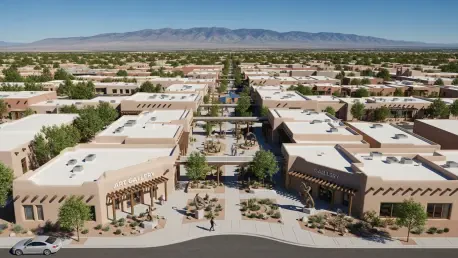
Smaller destinations are uniquely positioned to leverage their specific heritage to create multisensory experiences. Santa Fe, New Mexico, serves as a premier example of this success. By utilizing its Pueblo Revival architecture and high-desert landscape, the city bridges the gap between ancient Native American history and a thriving modern art scene. It is a place where the scent of roasted chiles and the visual splendor of Canyon Road galleries create an identity that is impossible to replicate. These cities aren’t just smaller versions of big cities; they are entirely different ecosystems that prioritize human-scale interaction.
In the American South, cities like Charleston and Savannah demonstrate how meticulous historic preservation can coexist with a sophisticated, contemporary culinary movement. These locations provide a walkable history lesson, where the cobblestone streets and hidden gardens tell stories of a complex past. Because these cities are more navigable and affordable than their larger counterparts, visitors can spend more time in individual neighborhoods. This fosters a genuine sense of belonging, allowing a traveler to feel like a temporary resident rather than a fleeting guest.
The Preservation of the American Spirit: Research and Firsthand Perspectives
Industry experts and cultural historians note that the sustained popularity of these cities is the result of intentional government support and community-led preservation. By investing in National Heritage Areas and local museums, these regions ensure their hidden stories remain accessible to the public. This symbiotic relationship between the host community and the visitor supports local artisans and protects the very cultural resources that make these destinations unique. Research indicates that the most impactful moments of a journey often occur in these relaxed environments, far from the pressure of major tourist queues.
Travelers often report that their most lasting memories aren’t found in a museum gift shop, but in the aroma of a local market or the quiet beauty of a moss-draped square. These firsthand perspectives highlight the importance of “hidden stories”—the narratives of the people who actually live in and shape the city. This focus on the human element of tourism ensures that the economic benefits of travel are distributed more equitably among local businesses. It protects the integrity of the community while providing the visitor with a high-quality, authentic experience.
Crafting the Perfect Itinerary for the Intentional Traveler
To truly capture the essence of this regional movement, intentional travelers adopted strategies that prioritized discovery over mere visitation. They planned their journeys during the shoulder seasons of spring and autumn to take advantage of local festivals and more temperate weather. By seeking out boutique heritage stays rather than major hotel chains, these explorers turned their accommodations into walkable history lessons. They understood that supporting local small businesses was the most effective way to foster a meaningful and lasting connection to the destination.
The most successful itineraries began in a major gateway hub but quickly transitioned into the regional heartland. This framework allowed for a balanced perspective on American life, contrasting the fast-paced energy of the metropolis with the deep-rooted traditions of the interior. Travelers who engaged with residents and participated in local customs discovered that the soul of the country resided in its diversity. They moved toward a more responsible form of travel that respected cultural resources and sought out the hidden gems that defined the American spirit. This intentional approach ensured that every journey became a discovery of the nation’s true character.