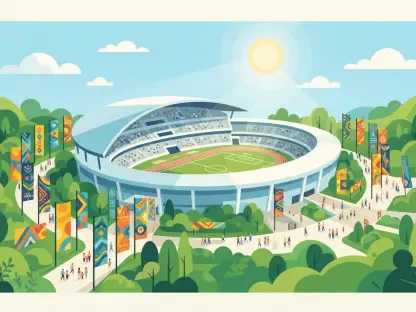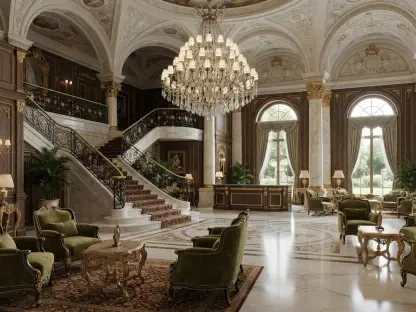

The global landscape of national identity is shifting as Middle Eastern nations move aggressively to position themselves not just as vacation spots but as central hubs for global culture and innovation. This evolution represents a departure from traditional tourism marketing, which historically focused on scenic imagery and high-end hospitality services. Instead, regional players are now engaging in a sophisticated race to define their roles within the global cultural conversation. By integrating business, lifestyle, and heritage into a single, cohesive narrative, these nations are attracting long-term investment and high-level professional talent alongside leisure travelers. This strategic redirection signals a transition from merely selling a destination to building a comprehensive national brand that resonates across multiple sectors. As these entities refine their storytelling, they are successfully dismantling old stereotypes and establishing a modern presence that commands global attention.
Redefining Narrative through Media Innovation
Disruptive Content: High-Impact Media Strategies
Saudi Arabia serves as a primary example of this new era, using its Vision 2030 framework to reshape global perceptions through high-impact media strategies and creative partnerships. Rather than relying on static advertisements or conventional travel brochures, the Kingdom utilizes disruptive content to spark organic social media conversations and challenge long-standing misconceptions. A notable instance involved a popular comedian unexpectedly interrupting a standard weather report to showcase the diverse climates of Saudi Arabia, ranging from the cool highlands of Aseer to the luxury of the Red Sea coast. This specific tactic successfully blurred the lines between journalism and entertainment, resulting in hundreds of millions of views and massive digital engagement across international platforms. By prioritizing unpredictability and humor, the marketing efforts captured the curiosity of a younger audience that typically tunes out more traditional commercial messaging.
Scripted Entertainment: Building Emotional Resonance
Beyond viral stunts, the region is increasingly using scripted entertainment to build deeper emotional resonance with potential travelers by weaving locations into actual plotlines. Integrating destinations into the narratives of popular television shows has proven significantly more effective than traditional commercials, as demonstrated by the feature of AlUla in a high-profile romantic Ramadan series. This approach achieved an exceptionally high brand fit score and significantly outperformed global benchmarks for advertising recall because the location was an essential part of the story. When a heritage site or a modern skyline is woven into a narrative that audiences already care about, the marketing message becomes a persuasive part of the entertainment experience rather than an unwelcome intrusion. This transition toward narrative-driven promotion allows for a more nuanced portrayal of culture and hospitality that resonates long after the credits roll on the digital screen.
Broadening the Scope of Destination Appeal
Always-On Presence: Lifestyle Branding Tactics
Successful brands in the region have shifted from short-term, seasonal campaigns to always-on content strategies that maintain a constant presence in the consumer’s mind throughout the year. By combining tactical messaging in lifestyle programming with high-reach entertainment franchises like Arabs Got Talent or Top Chef, destinations in Qatar, Dubai, and Bahrain ensure they remain part of the daily media diet of their target audiences. This consistency, supported by celebrity endorsements and culturally relevant storytelling, helps transition these locations from mere vacation spots to recognizable global lifestyle brands. Moving away from the one-off campaign model allows these nations to build cumulative brand equity, where each piece of content reinforces the previous one. This sustained visibility ensures that when a traveler or professional considers their next move, these destinations are already at the forefront of their thinking, building long-term familiarity.
Economic Integration: Targeting Global Investment
Modern destination branding also serves a dual purpose by targeting decision-makers and affluent investors alongside the general leisure traveler seeking a weekend getaway. High-prestige news platforms and professional networks are now essential tools for reaching these influential groups, highlighting specialized sectors such as medical tourism and economic development opportunities. By producing sophisticated advertorial series and news-integrated content, media partners help create a holistic destination narrative that balances leisure with utility. This strategy speaks directly to entrepreneurs and the business community, positioning the region as a hub for both capital investment and high-level professional talent looking for a stable environment. Such efforts ensure that the brand identity is not just about relaxation but also about growth and the future of work. This multifaceted approach creates a robust economic foundation that supports long-term goals beyond any seasonal tourism peaks.
Authenticity and Identity: Setting the Future Standard
The successful evolution of regional branding demonstrated that the next phase of growth relied on the seamless integration of artificial intelligence and personalized data to refine traveler experiences. Leaders prioritized hyper-localized content that spoke to specific niche interests, such as sustainable eco-tourism or tech-driven urban living, to maintain a competitive edge. The region proved that a national brand functioned as a living entity that required constant adaptation to shifting global sentiment and emerging digital platforms. Future-oriented efforts focused on empowering local voices and small-scale creators to share authentic, unscripted stories that complemented large-scale media campaigns. By shifting from a top-down broadcasting model to a collaborative storytelling ecosystem, destinations fostered deeper trust with a global audience that increasingly valued transparency. This methodology established a sustainable framework for nations to thrive in an interconnected global economy.