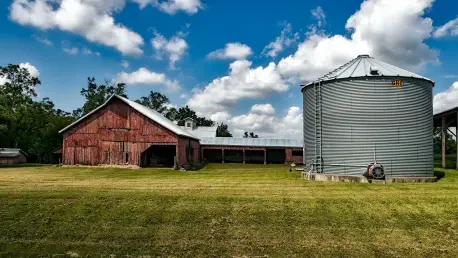

The traditional symbols of high-end travel are currently undergoing a radical transformation as global travelers increasingly prioritize immersive, nature-centric escapes over the sterile, predictable luxury of metropolitan hotels. This burgeoning interest in modern farm stays, once a niche segment of rural nostalgia, has evolved into a cornerstone of the luxury market, with the agrotourism sector projected to grow by $32 billion by 2030. Driven by a deep-seated desire to disconnect from digital exhaustion and reconnect with the fundamental origins of food, this movement prioritizes earthy authenticity and sensory connection over material excess and gold-plated amenities. Travelers are no longer satisfied with passive observation; they are seeking environments that challenge their senses and provide a tangible link to the land. This shift represents a broader cultural pivot where the most valuable currency is no longer found in a designer lobby, but in the quiet, unscripted moments of a working landscape that offers genuine psychological restoration.
The Cultural and Demographic Drivers of Rural Escapes
Reclaiming Time and Embracing Friction
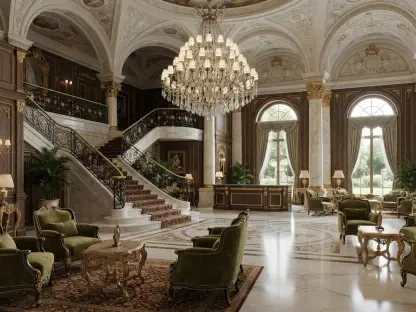
The primary catalyst for this trend is a widespread reaction against the frantic pace and digital saturation of modern life, where every interaction is mediated by a screen and designed for maximum speed. In this new paradigm, luxury is no longer defined by marble bathrooms or rare delicacies served in windowless dining rooms, but by the luxury of silence, time, and the unprompted sound of birdsong. Travelers are actively seeking environments where they can engage their senses in ways that the sterile, automated urban environment simply cannot accommodate. This pursuit of the “unplugged” experience is not merely about escaping the city; it is about reclaiming the human capacity for deep focus and presence. By stepping into a world where the primary schedule is dictated by the sun and the needs of livestock, individuals find a reprieve from the constant notifications and cognitive load that define the current era of hyper-connectivity and professional burnout.
A key psychological component of this shift is the concept of frictionmaxxing, a cultural revolt against the modern obsession with seamless efficiency and instant gratification. While technology strives to remove effort from daily life, many individuals are finding a renewed sense of grounding in the intentional friction of manual tasks, such as foraging for wild berries or gathering fresh eggs from a coop. This intentional choice of the “scenic route” provides a profound sense of accomplishment and physical reality that is often missing in a frictionless, hyper-convenient world. Engaging with the land requires patience, physical effort, and an acceptance of the elements, all of which serve to anchor the traveler in the present moment. This movement suggests that true satisfaction is often found in the very activities that modern convenience tried to eliminate, highlighting a growing realization that ease does not always equate to quality of life or personal fulfillment.
The Youthful Rebranding of Agriculture
Contrary to the long-held belief that rural travel is primarily the domain of older generations seeking quiet retirement, data indicates that Gen Z and Millennials are the primary drivers of this growth, accounting for 61% of experience-led travelers. These cohorts, often overwhelmed by the demands of the digital economy and the precariousness of modern urban living, are searching for simpler, more human ways of existing. Even a temporary stay on a working farm offers these travelers a necessary mental reset and a chance to engage with a slower, more deliberate rhythm of life. For these younger demographics, the farm stay is not an exercise in nostalgia for a past they never knew, but a forward-looking exploration of sustainable living and mental health preservation. It provides a laboratory for observing how a different relationship with the environment can yield a more balanced and meaningful daily routine, far removed from the pressures of the attention economy.
Furthermore, popular media has played a vital role in rehabilitating the image of the agricultural sector by portraying it as humorous, human, and genuinely aspirational rather than purely laborious. This cultural shift has demystified farming for the urban masses and sparked a renewed public interest in local produce, biodiversity, and responsible land stewardship. As a result, the modern farm is viewed not just as a production site for commodities, but as a sophisticated entity involved in essential practices like land preservation and regenerative agriculture. Younger travelers are particularly drawn to destinations that can demonstrate a clear commitment to these values, viewing their travel choices as an extension of their personal ethics. By aligning their leisure time with ecological restoration, they find a sense of purpose that traditional luxury vacations often lack, effectively turning a simple holiday into an educational and morally resonant experience.
The Essential Elements of Success in Agrotourism
Culinary Integrity and Sophisticated Design
The modern farm stay is built upon the dual pillars of culinary transparency and high-end design, creating a hybrid experience that satisfies both the palate and the aesthetic eye. In an era dominated by ultra-processed foods and opaque global supply chains, the farm-to-fork model provides a level of provenance and honesty that guests find deeply attractive. Visitors are no longer content with merely eating local food; they want to know exactly where an ingredient was grown, who cultivated it, and they often seek to participate in the harvesting process themselves. This direct connection to the source of one’s nutrition provides a sensory richness that cannot be replicated in even the finest urban restaurants. The flavor of a vegetable picked only hours before consumption, combined with the knowledge of the soil it sprang from, creates a dining experience that is both intellectually satisfying and physically nourishing.
Successful agrotourism destinations balance this raw, authentic experience with exceptional interior design and careful curation that reflects a modern sensibility. Guests appreciate the sharp contrast of working alongside farmers in the mud during the day and retiring to a beautifully designed, sophisticated suite that features natural materials and artisanal craftsmanship at night. This pairing of the earthy and the elegant ensures that the experience feels like a legitimate vacation rather than an arduous chore, catering to the high aesthetic standards of modern luxury travelers. The design often emphasizes large windows that frame the landscape as the primary artwork, blurring the lines between the indoor sanctuary and the outdoor environment. By integrating high-speed connectivity—for those who need it—with rustic textures and premium comfort, these properties prove that rural living does not have to be synonymous with deprivation or outdated decor.
Community Connection and Rooted Experiences
A farm stay offers a sense of rootedness and unpretentious community that traditional luxury hotels, with their professional distance and scripted service, often fail to replicate. By interacting with shepherds, gardeners, and chefs whose lives are inextricably linked to the land, guests feel a genuine and often profound connection to their destination. This atmosphere of groundedness appeals to a wide demographic, from young families seeking educational experiences for their children to city-dwelling couples looking for a meaningful retreat. The lack of a formal barrier between “staff” and “guest” fosters a communal environment where knowledge is shared freely and social hierarchies are temporarily suspended in favor of shared tasks. This social cohesion provides a rare opportunity for travelers to step outside their usual bubbles and engage with people whose daily realities are governed by the weather and the seasons.
The psychological benefits of these rooted experiences extend far beyond the duration of the stay, often providing guests with a new perspective on their own lifestyle choices and consumption habits. Seeing the labor required to produce a single liter of olive oil or a loaf of sourdough bread fosters a deep respect for the resources that are often taken for granted in a supermarket-centric society. This educational component is a significant draw for parents who want their children to understand the complexities of the natural world and the importance of ecological balance. By offering a space where guests can be both students and participants, modern farm stays create a lasting impact that transcends the typical “sun and sand” vacation. The result is a travel experience that feels substantive and transformative, leaving the visitor with a renewed sense of their place within the broader biological and social ecosystem.
Global Leaders in Agrotourism Innovation
Premier International Case Studies
Portugal’s São Lourenço Do Barrocal serves as a global benchmark for rural regeneration by seamlessly integrating history with modern viticulture and luxury hospitality. Architect Eduardo Souto de Moura transformed former agricultural buildings into elegant accommodations that focus on community-led activities and the preservation of Alentejo traditions. Guests can participate in year-round honey production, harvest olives from thousand-year-old trees, or blend their own wines from vineyards managed by the same family for eight generations. The property does not hide its working nature; instead, it celebrates the dust, the heat, and the rhythms of the farm as essential components of the guest experience. This approach demonstrates that luxury can be found in the preservation of heritage and the continuity of a working estate, provided the execution is handled with architectural sensitivity and a deep respect for the local culture.
In the United Kingdom, Fowlescombe Farm in Devon exemplifies extreme sustainability and the successful implementation of regenerative agricultural practices within a guest-facing environment. This organic, family-run estate operates without fossil fuels and utilizes a unique “flerd” grazing strategy—a combination of sheep and cattle—to restore soil health and promote biodiversity. The guest experience is highly interactive and focuses on nose-to-tail dining, where menus are decided daily based on the immediate abundance of the land and the results of the latest harvest. This commitment to transparency and ecological health attracts a specific type of traveler who is interested in the technical aspects of conservation and the future of food security. By allowing guests to see the inner workings of a carbon-neutral farm, Fowlescombe provides a blueprint for how the travel industry can contribute to environmental solutions while offering a premium and intellectually stimulating retreat.
Holistic Wellness and Coastal Traditions
South Africa’s Sterrekopje Healing Farm reimagines the concept of wellness by moving away from clinical spas and toward the lens of ancestral luxury and reciprocal hospitality. Rather than following rigid, pre-packaged schedules, guests are encouraged to engage in intuitive activities like baking bread, working with clay, or harvesting seasonal vegetables. The goal is to help visitors rediscover their own natural rhythms through physical labor and restorative rituals that emphasize a connection to the earth and the self. This approach recognizes that true wellness is often a byproduct of purposeful activity and a sense of belonging to a living system. By removing the pressure to “perform” wellness, the farm allows guests to arrive at a state of peace naturally, through the simple act of being useful and present within a supportive, nature-based community that values slow progress over instant results.
Finally, destinations like The Newt in Somerset and Sibbjäns in Sweden illustrate the incredible diversity and regional specificity of the modern farm stay movement. The Newt focuses on ultra-luxury and biodiversity, famously protecting a massive colony of great crested newts and producing refined cider from 17,000 apple trees on a sprawling, meticulously landscaped estate. In contrast, Sibbjäns offers a masterclass in Scandinavian slow living on a Baltic island, combining Viking-inspired wellness traditions with reclaimed timber aesthetics to create a retreat that is deeply connected to its coastal heritage. Both properties emphasize that a successful farm stay must be rooted in its specific geography, utilizing the local climate and history to create an atmosphere that cannot be found anywhere else. This commitment to “place” is what ultimately distinguishes these innovators, as they offer travelers a window into a specific way of life that is as sophisticated as it is ancient.
Pioneering the Future of Regenerative Hospitality
The rise of high-end agrotourism provided a clear pathway for developers and land owners to reconcile the demands of commercial viability with the urgent necessity of ecological preservation. Industry leaders successfully demonstrated that guests were willing to pay a premium for experiences that replaced traditional excess with meaningful participation in a working landscape. This shift prompted a broader re-evaluation of land use, where former industrial farms were converted into biodiverse havens that supported both local economies and global conservation goals. By prioritizing soil health and local heritage, these projects proved that the most resilient form of luxury was one that nurtured the environment rather than merely exploiting its aesthetic value. This evolution moved the industry toward a model where the success of a resort was measured not just by its occupancy rates, but by the measurable improvement in the surrounding ecosystem and the strength of its community ties.
Future developments in this sector shifted their focus toward long-term stewardship and the integration of advanced sustainable technologies that remained invisible to the guest. The emphasis moved toward “net-positive” hospitality, where the presence of a resort actually enhanced the local environment through carbon sequestration and water restoration projects. Investors began to view these properties as vital components of a diversified portfolio, recognizing that a healthy, productive landscape was a more stable asset than a traditional hotel in an oversaturated urban market. As travelers became more discerning, the industry responded by deepening the level of authenticity offered, ensuring that every element of the stay contributed to a genuine understanding of the land. This transition effectively turned the luxury traveler into a stakeholder in the preservation of the natural world, fostering a new era of travel where the ultimate goal was to leave a destination better than it was found.