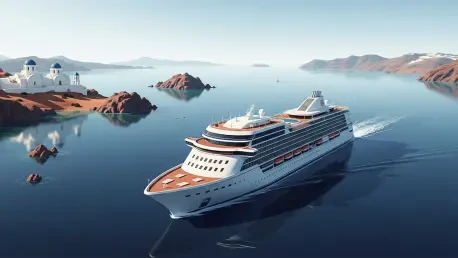

The surging demand for luxury sea travel in the Mediterranean has prompted cruise lines to overhaul their deployment strategies, with MSC Cruises leading a significant transformation in how travelers experience the cradle of Western civilization. As travelers increasingly seek a blend of iconic landmarks and secluded coastal gems, the industry is shifting toward larger, more technologically advanced vessels that can accommodate diverse preferences while minimizing environmental impacts. This shift is particularly evident in the current 2026 season, where a record number of ships are stationed across the Western and Eastern Mediterranean basins. By prioritizing longer stays in port and introducing more sophisticated onboard amenities, the cruise line aims to provide a seamless transition between the high-energy atmosphere of European metropolitan hubs and the tranquil beauty of the Greek Isles. This approach addresses the growing appetite for experiential luxury that goes beyond traditional sightseeing tours and focuses on cultural immersion.
Regional Expansion: Strategic Deployment Across the Mediterranean
The Western Mediterranean itinerary structure now features the MSC World Europa and the MSC World America, which represent the pinnacle of modern naval engineering and guest capacity. These vessels operate on seven-night circuits that connect the bustling ports of Barcelona, Genoa, and Marseille, providing a stable foundation for the region’s tourism economy. Unlike previous years, the current schedule emphasizes extended port calls, allowing guests to explore the historical depths of Rome from Civitavecchia or the culinary traditions of Naples without the pressure of an early departure. This logistical adjustment is a response to feedback from frequent cruisers who expressed a desire for more authentic local interactions. Furthermore, the inclusion of smaller, more nimble ships like the MSC Orchestra allows for access to specialized ports like Ibiza and Olbia, which cannot accommodate the larger mega-ships. This tiered deployment strategy ensures that the company can capture a broad market segment ranging from families to luxury seekers.
In the Eastern Mediterranean, the focus has shifted toward the revitalized allure of the Aegean Sea and the historic ports of the Adriatic, with the MSC Sinfonia and MSC Musica leading the charge. These itineraries have been meticulously designed to bridge the gap between the ancient history of Athens and the contemporary vibrancy of Istanbul, which has seen a massive influx of maritime traffic this year. The inclusion of overnight stays in cities like Venice and Dubrovnik has become a hallmark of the 2026 season, catering to those who wish to experience the nightlife and evening ambiance of these architectural marvels. Additionally, the strategic use of Piraeus as a primary embarkation hub has streamlined logistics for international travelers arriving from North America and Asia. By leveraging the increased capacity of regional airports, the cruise line has successfully reduced transit friction, making the deep cultural heritage of the Eastern Mediterranean more accessible to a global audience interested in historical exploration.
Strategic Outcomes: Navigating the New Landscape of Maritime Travel
Navigating the evolving landscape of Mediterranean travel required a proactive approach to booking and itinerary selection, as the diversity of options became more pronounced during the 2026 season. Travelers who prioritized historical depth often found that the Eastern Mediterranean routes offered the most significant value, especially when choosing ships that included stops at smaller, less-frequented islands. It was observed that booking shore excursions in advance became essential, as the most popular cultural sites in cities like Florence and Ephesus reached their capacity limits earlier than in previous years. The shift toward longer port stays provided an opportunity for more specialized tours, such as private winery visits or after-hours museum access, which were previously unavailable on standard itineraries. This change encouraged a move away from the traditional highlights tour toward more niche, interest-based activities. Those who took advantage of these expanded offerings reported a much higher satisfaction rate.
Strategic planning involved more than just selecting a destination; it necessitated a careful evaluation of ship-specific features and environmental credentials that aligned with personal values. The introduction of the MSC Yacht Club on a wider range of vessels offered a secluded sanctuary for those seeking a ship-within-a-ship experience, proving that luxury and large-scale cruising could coexist. It was also recommended that visitors considered the seasonal variations of the Mediterranean, as the extended operating season into the late autumn months offered milder temperatures and fewer crowds in popular destinations like the French Riviera. The integration of high-speed satellite internet across the fleet allowed for a hybrid lifestyle where remote work and leisure were seamlessly blended for the first time on such a large scale. Ultimately, the successful traveler was the one who leveraged these digital tools and logistical shifts to create a bespoke journey. This period marked a definitive change in maritime hospitality standards.