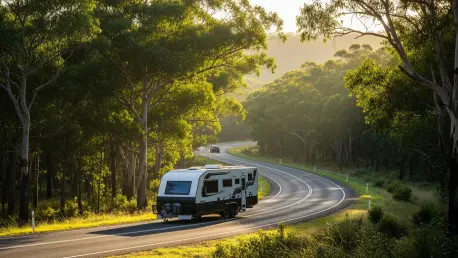

The dense greenery of the Similipal Tiger Reserve and the sprawling, brackish waters of Chilika Lake have entered a new era of accessibility following the introduction of state-of-the-art mobile travel options. Imagine a traveler waking up to the mist of a tropical forest and dining under a canopy of stars, all while enjoying the safety and comfort of a modern, self-contained residence on wheels. By launching a dedicated caravan tourism policy, Odisha has positioned itself at the forefront of the experiential travel market, catering to a demographic that values autonomy and environmental stewardship. The program utilizes a fleet of custom-built recreational vehicles that offer high-end residential comforts while allowing tourists to park in designated nature zones that were previously underserved by traditional hotel infrastructure. These vehicles come equipped with integrated GPS systems, ensuring that visitors can immerse themselves in the wilderness without sacrificing modern conveniences or safety.
Strategic Infrastructure: Enhancing Regional Integration and Sustainability
To support the influx of mobile travelers, the state has established a network of caravan parks at strategic locations such as Konark, Debrigarh, and Bhitarkanika. These sites are far more than simple parking lots; they function as integrated hubs providing specialized services including charging stations for electric components, waste disposal facilities, and communal activity zones. Each park is designed to blend into the surrounding landscape, utilizing locally sourced materials and permeable paving to prevent soil erosion. Security is maintained through a centralized digital monitoring system that tracks vehicle movement and ensures the safety of tourists in remote areas. Furthermore, the government has collaborated with private sector operators to ensure that the maintenance standards of these parks remain high, creating a reliable ecosystem for long-haul travelers. This infrastructure represents a significant investment in the state’s logistical capabilities for the region.
Environmental preservation sits at the core of this initiative, with every caravan and park adhering to strict “zero-trace” principles to protect fragile ecosystems. The vehicles are equipped with solar panels on their roofs to power internal lighting and appliances, significantly reducing the reliance on traditional fuel sources during overnight stays. Waste management is handled through advanced onboard aerobic digesters and chemical toilets that prevent any discharge into the soil or local water bodies. These technological interventions are complemented by a certification program for operators, requiring them to undergo training in ecological sensitivity and wildlife interaction protocols. By prioritizing these green technologies, the state is demonstrating that high-end tourism can coexist with conservation goals. This commitment is particularly vital in sensitive areas like the Bhitarkanika National Park, where the delicate mangrove systems require careful management to prevent degradation throughout the year.
The implementation of this caravan policy successfully demonstrated how specialized travel niche markets could be cultivated through careful planning and public-private cooperation. Stakeholders observed that the initiative effectively distributed economic benefits to rural communities by creating jobs in park maintenance, local guiding, and organic food supply chains. To build on this momentum, the focus transitioned toward expanding the network into the less-explored tribal regions, ensuring that the infrastructure remained adaptable to seasonal climate variations. Future efforts required a continued emphasis on upgrading charging infrastructure for a fully electric caravan fleet to further eliminate carbon emissions. It was determined that maintaining rigorous environmental audits would be essential to prevent the over-saturation of popular nature spots. By refining the regulatory framework, the authorities ensured that the balance between accessibility and preservation remained stable. These steps provided a blueprint for other regions to follow.