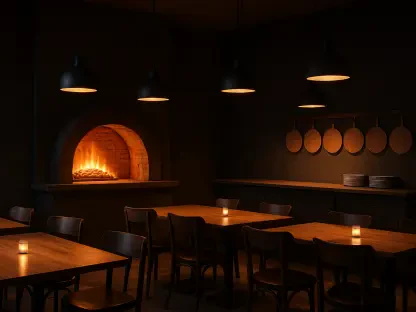

Amari properties utilize a curated perspective to help guests feel the soul of a destination through local flavors and meaningful social exchanges with residents. This strategic approach highlights a significant shift in how modern hospitality brands must operate when travelers are increasingly reliant on sophisticated technology to dictate their choices. As digital tools become the primary gatekeepers of discovery, the challenge for hospitality providers is to ensure that the physical reality of a stay exceeds the expectations set by an algorithm. The “More of What You Love” campaign represents a response to this digital-first mindset, focusing on the specific emotional triggers that make a trip memorable rather than just functional. By integrating local heritage with modern service standards, the group successfully bridges the gap between a data-driven itinerary and the spontaneous joy of travel. This balance allows guests to feel both supported by technology and liberated by the human touch, creating a cohesive journey that begins with a click but culminates in a genuine cultural connection.
Digital Precision: The Evolution of Trip Discovery
The current travel landscape is defined by a growing reliance on artificial intelligence for curation, a trend that has gained significant momentum through the widespread adoption of generative tools. According to recent industry insights, approximately 54% of global travelers now express high levels of comfort using AI to plan or book their upcoming journeys. This technological evolution allows individuals to define their ideal vacations using simple, conversational prompts regarding preferred locations, culinary interests, and trip duration. For many, the ability to sift through vast amounts of data to find a hidden boutique hotel or a specific regional dish provides a level of personalization that was previously labor-intensive. However, while these tools are exceptionally efficient at organizing logistics and identifying potential destinations, they remain secondary to the actual experience of the traveler. The digital phase acts as a map, providing a guide that points toward a destination, but it cannot substitute for the atmosphere.
Despite the efficiency of these digital assistants, a consensus is emerging among industry experts that AI is a tool for definition rather than creation. An algorithm can successfully identify a restaurant with high ratings for authentic cuisine, yet it cannot replicate the sensory impact of tasting those flavors for the first time or the warmth of a greeting from a local host. The essence of a journey remains deeply rooted in these physical interactions and the discovery of things that cannot be predicted by a set of data points. This realization has prompted a shift in how hospitality brands present themselves, moving away from generic marketing toward more targeted, brand-specific experiences. The objective is to translate the digital “what” into a physical “why,” providing a reason for the traveler to engage with the world beyond their smartphone. By acknowledging that technology simplifies search, providers can focus on delivering high-quality moments that satisfy the specific desires revealed by an AI-assisted search.
Targeted Hospitality: Bridging Personalization and Reality
To address the diverse range of traveler profiles that emerge from personalized digital searches, ONYX Hospitality Group utilizes a multi-brand strategy that targets specific lifestyle needs. For those who prioritize energy and simplicity, the OZO brand functions as a vibrant home base, emphasizing effortless comfort for active explorers who want to maximize their time in the destination. This contrasts with the Oriental Residence, which serves travelers seeking the luxury of privacy and a restored sense of balance. The philosophy of the “Invisible Hand” service at these luxury properties ensures that every need is met with intuitive, discreet attention, creating a sanctuary from the rapid pace of modern life. Furthermore, the Shama brand caters to the long-term traveler by offering serviced apartments that allow guests to live like a local and settle into a neighborhood’s daily rhythm. These distinct offerings ensure that whether a guest is looking for a specific vibe or quiet retreat, the space meets expectations.
Reflecting on the successful integration of technology and service, the industry recognized that the primary goal was to make the planning phase invisible while making the stay itself unforgettable. Stakeholders focused on the implementation of systems that allowed guests to move seamlessly from the digital discovery phase to the check-in process without losing the personal touch. This transition was managed by ensuring that front-line staff possessed the emotional intelligence necessary to complement the data-driven insights provided by AI tools. Hospitality leaders emphasized that while technology could predict a guest’s preference for a certain room temperature or pillow type, it was the human staff who could sense a guest’s mood and adjust their service accordingly. This proactive approach turned simple service into genuine hospitality, transforming a standard transaction into a lasting memory. The historical shift toward this balanced model demonstrated that the successful use of AI was about the human connection.