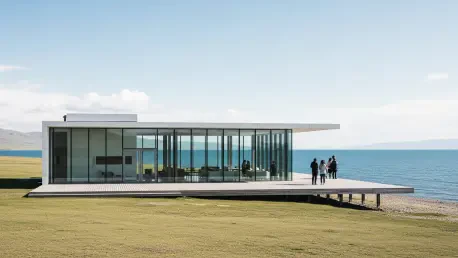

The blistering heat of traditional tropical corridors has fundamentally altered the architectural DNA of summer travel, pushing millions of vacationers away from sun-drenched beaches toward the refreshing embrace of high-altitude sanctuaries. This sweeping behavioral shift, popularly termed the “coolcation,” has redefined the peak travel season across Asia as travelers prioritize physiological comfort over the classic aesthetic of palm trees and humidity. Throughout the current 2026 season, the massive migration toward temperate mountain corridors and northern latitudes represents more than just a temporary escape from rising mercury; it signifies a structural change in how tourism economies operate. As lowland temperatures reach record highs, the allure of misty peaks and alpine lakes has become the primary driver for regional movement, effectively turning once-quiet rural outposts into bustling seasonal hubs. This transition is not merely accidental but is supported by data-driven marketing campaigns and shifts in consumer priorities.
State Initiatives: The Chinese and Nepalese Models
China has positioned itself as a primary architect of this movement through a highly coordinated, state-backed initiative that integrates meteorological data with regional tourism planning to optimize visitor flow. By deploying over RMB 450 million in targeted subsidies, the government has successfully lowered the financial barrier for domestic travelers to explore cooler climates like Kunming, often referred to as the “City of Eternal Spring.” This strategic redirection of traffic has moved substantial volumes of tourists toward the high-altitude landscapes of Lijiang, Shangri-La, and the vast, temperate grasslands of Inner Mongolia. These efforts have demonstrated that proactive state-level support can effectively manage national tourism flows while alleviating the seasonal pressure on traditional coastal hotspots. The success of this model relies on a sophisticated mix of infrastructure development and digital outreach that specifically targets urban residents seeking relief.
In South Asia, Nepal has successfully repositioned its rugged landscape as an affordable and accessible “heat escape” for travelers fleeing the intense summer conditions of the Indian subcontinent. As northern India faces increasingly severe temperatures, Nepal’s tourism boards have launched focused campaigns to capture this specific demand, leading to occupancy rates in cities like Pokhara reaching nearly 90% during peak weeks. However, this influx of visitors presents a unique set of challenges, as the cool-weather appeal of the mountains often coincides with the monsoon season, requiring careful navigation of weather patterns. Travelers must now balance their desire for fresh air with the potential for infrastructure disruptions, such as landslides or delayed transport links, which are inherent to high-altitude travel. Despite these risks, the economic benefits for local hospitality providers have been transformative, creating a new summer peak that rivals the traditional autumn trek.
Regional Expansion: Japan and the Continental Interior
Japan is currently experiencing a significant geographic redistribution of tourism as visitors increasingly bypass the humid, stifling heat of Tokyo and Osaka in favor of the milder climate found in Hokkaido. Sapporo has emerged as a premier destination within this cool-travel framework, drawing massive interest from South Korean travelers who are attracted to its comfortable temperatures and natural beauty. The lavender fields of Furano and the cool mountain breezes of the Daisetsuzan National Park have become major draws for those looking to escape the sweltering urban centers of East Asia. While this surge in popularity has provided a substantial economic boost to the northern prefecture, it has also introduced new complexities, including peak-season crowding and a notable increase in travel costs as demand consistently outstrips available accommodation. The shift highlights a growing preference for destinations where the climate allows for outdoor activity throughout the day without exhaustion.
The trend has expanded into a continent-wide phenomenon, with nations like India and Malaysia leveraging their unique vertical geographies to attract heat-weary domestic and international visitors. In India, iconic hill stations like Shimla and Manali have seen hotel bookings increase tenfold compared to previous cycles, as the middle class seeks refuge in the Himalayas. Simultaneously, Malaysia is highlighting its highlands, specifically offering wellness experiences in its ancient “mossy forests” that provide a 15°C to 25°C environment. This temperate microclimate stands in stark contrast to the sweltering conditions of the lowlands, making the Genting and Cameron Highlands essential nodes for regional travel. Even Mongolia has entered the fray as a niche favorite, with travelers seeking the vastness of Khövsgöl Lake for its stargazing opportunities and moderate temperatures. These diverse locations share a common thread: they offer a respite from the extreme heat that once defined the summer experience.
Strategic Rebranding: Infrastructure and Environmental Pressures
Nations like Thailand and Kazakhstan are reshaping their regional tourism profiles through clever rebranding and significant infrastructure upgrades designed to capture the growing cool-travel market. Thailand has begun marketing its traditional rainy season as the “Green Season,” framing rain-cooled mountain forests as refreshing and lush rather than disruptive to attract European tourists during what was previously an off-peak period. Meanwhile, Kazakhstan is making an aggressive push into the sector by upgrading its mountain lake resorts and regional airports to position itself as a rugged, safe, and cooler alternative to more arid destinations. This pivot towards mountain-based tourism requires a delicate balance of hospitality and environmental stewardship, as these nations seek to monetize their cooler air without destroying the natural assets that draw visitors. The success of these efforts depends on the ability of local governments to provide seamless travel experiences while managing the ecological footprint of increased visitor density.
Despite the clear economic benefits, the rapid shift toward cool-themed travel has introduced significant logistical and environmental pressures that threaten the long-term sustainability of these areas. In many highland regions, the traditional “off-season” has effectively disappeared, leading to persistent overtourism in fragile alpine ecosystems that were never designed for year-round high-volume traffic. Infrastructure remains a primary bottleneck, particularly in India and Malaysia, where the sudden rush to the mountains has caused severe road congestion and inflated pricing for basic services. These logistical challenges often negate the restorative benefits that travelers seek, turning a peaceful mountain escape into a stressful exercise in crowd navigation. Furthermore, the environmental impact of increased waste and energy consumption in high-altitude zones requires immediate policy intervention. Without a robust strategy to enhance transport links and waste management, the very allure of these cool havens could be compromised by the weight of their own popularity.
Behavioral Evolution: The Future of Traveler Psychology
The current travel landscape reveals a fundamental change in traveler psychology, as the 20th-century obsession with “sun and sand” is replaced by a strategic and climate-smart approach to planning vacations. Modern travelers are now prioritizing physical comfort, personal wellness, and environmental stability over traditional tropical aesthetics, leading to much earlier booking windows for temperate havens. This evolution in behavior suggests that the future of the tourism industry will rely heavily on its ability to invest in infrastructure that supports high-altitude experiences while protecting the sensitive environments involved. The shift toward these temperate escapes is not a fleeting trend but a permanent adaptation to a changing climate that requires both the travel industry and tourists to rethink their expectations. As the desirability of heat wanes, the value of cool air and accessible nature has become the new currency of the global travel market, demanding a total reimagining of seasonal luxury and recreational space.
The 2026 season demonstrated that the era of the indiscriminate heat-seeking vacation ended as regional travelers embraced a more calculated approach to seasonal leisure. Stakeholders in the tourism sector realized that success depended on diversifying offerings beyond the coastal norm and investing in the resilience of mountain communities. It was observed that those who prioritized sustainable infrastructure and clear communication regarding weather risks secured the highest levels of visitor loyalty. Moving forward, authorities and private enterprises should focus on developing decentralized travel hubs that distribute foot traffic across wider geographic areas to prevent the degradation of popular alpine sites. Future strategies must also include the integration of real-time climate data into booking platforms to help travelers make informed decisions about their environmental impact. By shifting the focus toward low-impact, high-altitude wellness, the industry paved the way for a more sustainable and physically restorative model of global tourism that respected the limits of the natural world.