
The traditional allure of turquoise waters and white sands is facing stiff competition as modern travelers increasingly prioritize deep cultural immersion and historical exploration over the stagnant relaxation of coastal resorts. Mexico has witnessed a significant demographic pivot where international visitors are opting for the temperate climates and colonial architecture of the interior highlands instead of the crowded shores of Quintana Roo or Baja California. This transition reflects a broader global trend where the luxury of exclusivity is defined by unique local knowledge rather than the standardized amenities of high-volume beach destinations. As major coastal cities struggle with environmental pressures and rising costs, the state governments of the interior have capitalized on this fatigue by launching targeted campaigns to showcase their culinary heritage and archaeological wealth. These results are visible in the soaring occupancy rates of boutique hotels in Guanajuato and Oaxaca, signaling a fundamental transformation in the country’s tourism landscape.
Shifting Paradigms: The Evolution of Mexican Geography
Authentic Experiences: The Allure of Colonial Heritage
Interior states such as Guanajuato, Querétaro, and San Miguel de Allende have become the new focal points for travelers seeking more than just sun and surf. These regions offer a sensory-rich environment where centuries of history are preserved in cobblestone streets and baroque cathedrals, providing a backdrop that feels significantly more authentic than the purpose-built tourist zones of the coast. The “Pueblos Mágicos” or Magic Towns program has played a crucial role in this shift by standardizing quality and safety across smaller municipalities, allowing them to compete with international brands. Travelers are finding that these locations offer a more nuanced understanding of the national identity, blending indigenous traditions with Spanish colonial influences. The demand for these experiences has led to the conversion of historic haciendas into luxury accommodations that emphasize architectural preservation while offering modern comforts, effectively bridging the gap between the past and today.
Ecological Factors: Environmental Pressures Driving Coastal Exodus
The environmental challenges facing Mexico’s most popular coastal destinations have reached a critical juncture, prompting many regular visitors to reconsider their traditional vacation spots. Issues such as seasonal sargassum seaweed blooms along the Riviera Maya have frequently marred the aesthetic appeal of once-pristine beaches, leading to frustration among tourists who travel specifically for the water. Additionally, the rapid expansion of hotel infrastructure in places like Tulum has put immense pressure on local ecosystems, leading to concerns about water quality and the sustainability of coral reefs. These ecological anxieties are compounded by the extreme heat waves and humidity that have become more intense in recent years, making the milder, spring-like weather of the central plateaus much more appealing to international visitors. As travelers become more environmentally conscious, the perceived sustainability of interior states presents a more ethical and comfortable alternative to the resource-intensive resort model.
Strategic Growth: Infrastructure and Local Economic Impact
Enhanced Connectivity: Regional Accessibility and Transport
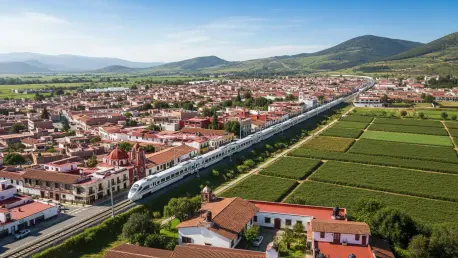
Massive investments in transportation infrastructure have successfully bridged the gap between the previously isolated interior regions and the traditional gateways of the country. The expansion of regional airports and the introduction of new direct international flights to cities like León and Morelia have bypassed the need for lengthy bus transfers from Mexico City. This increased accessibility has been a game-changer for short-term visitors who previously lacked the time to venture far from the coastal hubs. Furthermore, the development of high-speed rail projects and improved highway networks has facilitated easier movement between historic cities, creating a “cultural corridor” that encourages multi-city itineraries. These improvements are not just about convenience; they signify a strategic shift in national policy to decentralize tourism and distribute its benefits more evenly across the country. By making the interior easier to reach, the government has effectively removed the primary barrier that once kept cultural tourism as a niche market.
Industry Evolution: Redefining the National Tourism Framework
The shift from coastal dependence to interior cultural exploration marked a significant turning point for the national economy and the global perception of Mexico as a travel destination. Stakeholders who recognized this trend early were able to develop sophisticated models of engagement that balanced modern luxury with historical integrity. Investors moved away from high-density coastal projects and instead focused on the restoration of historic properties and the development of eco-tourism initiatives in the highlands. This transition required a coordinated effort between government agencies and local communities to ensure that infrastructure growth did not compromise the very authenticity that attracted visitors in the first place. By prioritizing long-term sustainability over short-term volume, the industry successfully insulated itself from the environmental challenges that faced traditional models. The focus shifted toward high-value, low-impact tourism that fostered genuine cross-cultural understanding and regional pride.