
The traditional preference for European capitals among affluent Mexican travelers is undergoing a fundamental transformation as sophisticated explorers increasingly seek out destinations that offer more than just historical landmarks. In early 2026, South Africa launched a meticulously designed strategic campaign to capture the attention of this high-value demographic, moving beyond its established reputation for wildlife to showcase a more complex, multi-faceted national identity. This outreach targets a specific class of global voyagers who prioritize immersive cultural engagement and luxury over the standard tourist circuits found in North America. By positioning itself as a primary alternative for long-haul travel, the country is tapping into an emerging market that values deep exploration and novelty. This strategic pivot is intended to diversify the national economy and foster stronger connections with Latin American travelers who are looking for unique, life-changing experiences that blend nature with modern urbanity.
A New Vision for South African Travel
Moving Beyond the Traditional Safari Narrative
The tourism sector in South Africa has historically been synonymous with the image of the Big Five, yet the modern strategy introduced in 2026 seeks to broaden this perspective significantly. By emphasizing a holistic travel model, the nation is successfully rebranding itself as a destination where rugged natural adventures and cosmopolitan luxury coexist in perfect harmony. This multi-faceted approach specifically targets the Mexican traveler who seeks variety, allowing them to experience high-altitude mountain trekking and world-class urban dining within a single, seamless itinerary. The campaign effectively moves beyond the singular safari narrative to showcase the country’s vibrant metropolitan hubs and artistic enclaves, which have become major draws for those who value cultural depth as much as natural beauty. Consequently, the South African travel experience is no longer viewed as a once-in-a-lifetime wildlife excursion but as a recurring opportunity for sophisticated exploration.
Ethical Wildlife Engagement and Sustainable Conservation
While the focus has expanded into urban and culinary realms, wildlife remains a central pillar of the national appeal, with iconic locations like Kruger National Park continuing to attract significant international attention. However, there is a modern emphasis on ethical and sustainable safari experiences that integrate high-end hospitality with rigorous conservation and anti-poaching initiatives. This refined approach resonates particularly well with the younger generation of eco-conscious travelers from Mexico who prioritize operators that demonstrate a tangible commitment to protecting natural ecosystems and supporting local wildlife populations. Modern travelers are increasingly looking for transparency in how their visits impact the environment, leading to a surge in demand for lodges that utilize renewable energy and plastic-free operations. By aligning luxury with environmental stewardship, the tourism industry ensures that the preservation of biodiversity becomes a shared value between the visitor and the host nation.
Diverse Landscapes and Gastronomic Experiences
Exploring Coastal Beauty and the Garden Route
The current marketing campaign highlights the nation’s stunning maritime assets, with Cape Town serving as the primary gateway due to its iconic white-sand beaches and a hospitality scene that rivals the best in the world. Beyond the metropolitan landscape, the Garden Route is being promoted as the ultimate destination for adventurous road trips, offering a diverse array of activities from coastal hiking to world-class whale watching. This specific stretch of coastline provides a balanced mix of adrenaline-fueled adventure and serene relaxation, catering to the specific needs of travelers who desire variety in their holiday schedules. The focus on coastal tourism is designed to appeal to those who enjoy maritime climates and the unique biodiversity found at the southern tip of the African continent. As visitors traverse these scenic routes, they are introduced to a side of the country that feels both wild and accessible, bridging the gap between untamed nature and modern infrastructure for an optimal travel experience.
Premium Wine Production and Michelin-Style Dining
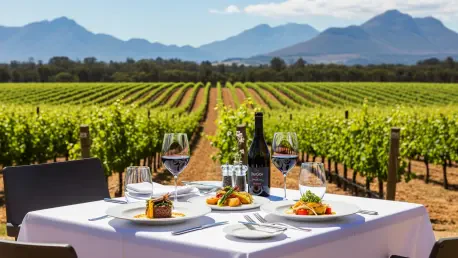
Complementing the diverse natural scenery is a burgeoning wine and food scene that specifically targets the refined palate of the Mexican gastronomy enthusiast. By integrating high-end accommodations into historical vineyard estates, South Africa has created a sensory experience that links its deep agricultural heritage with contemporary luxury. This focus on premium wine production and fine dining adds a significant layer of sophistication to the visitor experience, making the country a competitive choice for those who value world-class culinary standards as a central part of their journey. Many estates now offer immersive tasting programs and farm-to-table dining experiences that highlight local ingredients and innovative cooking techniques. This culinary evolution has allowed the nation to stand out on the global stage, proving that it can compete with traditional European wine regions while offering a unique cultural twist that is found nowhere else on the planet, thus attracting a high-spending demographic.
Modernizing Logistics and Strengthening Global Ties
Facilitating Seamless Entry via Digital Travel Authorizations
To remove traditional barriers to entry and enhance the overall visitor experience, the South African government has introduced an advanced e-visa system and digital travel authorizations to streamline the arrival process. Mexican travelers are among the primary beneficiaries of these logistical improvements, which are meticulously designed to increase traveler confidence by making the initial journey as possible as frictionless. These modernized systems reflect a comprehensive understanding within the government that easy access is a crucial factor for maintaining a competitive edge in the increasingly crowded global tourism market. By digitizing the application process and reducing wait times, the country has signaled its readiness to welcome international visitors with open arms and efficient technology. This infrastructure investment not only simplifies travel for individuals but also encourages tour operators to include South African destinations in their portfolios, knowing that the administrative burden has been significantly minimized.
Strengthening Economic Partnerships and Diplomatic Bonds
From a broader economic standpoint, the current tourism push serves as a vital engine for job creation and a primary method for strengthening long-standing diplomatic ties between Africa and Latin America. By leveraging existing relations with Mexico, South Africa is actively fostering new investment opportunities and cultural exchanges that go far beyond simple leisure travel. This strategic partnership helps the national economy hedge against global economic fluctuations by attracting a diverse range of visitors from emerging markets who bring fresh perspectives and capital. The tourism sector is being utilized as a bridge to facilitate deeper cooperation in areas such as trade, education, and technology, creating a mutually beneficial relationship. As more Mexican travelers visit the region, the resulting interpersonal connections often lead to business collaborations and a greater understanding of the shared challenges and opportunities facing both nations in the mid-twenties, solidifying a lasting international bond.
Immersive and Community-Focused Travel
Empowering Local Regions through Tourism Dispersion
A key component of the current national strategy involves the promotion of regional dispersion, which strongly encourages visitors to explore lesser-known provinces instead of remaining solely within major urban hubs. This policy ensures that the economic benefits generated by international tourism are distributed more equitably across the country, directly supporting small businesses and local infrastructure in rural areas. By spreading the geographical footprint of tourism, the initiative helps to develop sustainable growth that reaches every corner of the nation rather than concentrating wealth in a few specific locations. Travelers are now being guided toward hidden gems in provinces that offer unique cultural insights and untouched landscapes, providing a more authentic view of South African life. This approach not only prevents over-tourism in popular spots but also creates new opportunities for residents in underserved regions to participate in the global economy through the provision of specialized services.
Strategic Integration of Cultural Heritage and Authentic Craftsmanship
The rise of experiential tourism led to a concentrated focus on community-based experiences where travelers engaged directly with the nation’s cultural heritage and local traditions. Authorities recognized that modern visitors wanted to be active participants rather than passive observers, seeking out genuine interactions and the opportunity to support local artisans by purchasing handmade crafts. This emphasis on leaving a positive footprint aligned perfectly with global sustainability trends and ensured that international travel remained a powerful force for cultural preservation and mutual respect. The implementation of these strategies in 2026 provided a definitive solution for long-term growth by prioritizing social impact alongside economic gain. Moving forward, it was essential for the industry to maintain these community ties to ensure that tourism remained a resilient and inclusive sector. These actions successfully positioned the country as a leader in ethical travel, proving that a focus on localized value could transform the entire national tourism landscape for the better.