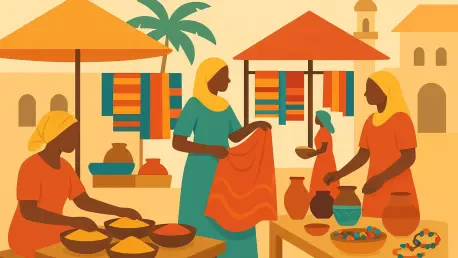

Zanzibar’s government aims to increase annual tourist arrivals to 1.5 million, highlighting the need for community-led initiatives that showcase the island’s cultural identity. For years, the archipelago was synonymous primarily with its breathtaking white-sand beaches and the exclusive luxury of high-end resorts. However, a significant transformation has taken root across the islands, shifting the focus from passive sunbathing to active cultural engagement. This movement is largely driven by local women who are stepping out from the domestic sphere to reclaim their place within the tourism value chain. By sharing their living heritage, they are challenging the traditional model where profit was largely exported by foreign-owned hotels. These women are now positioning themselves as the primary narrators of their own stories, ensuring that the wealth generated by the industry stays within the community and serves the people who have preserved these traditions for centuries.
The Economic Impact: A Changing Tourism Landscape
Tourism serves as the vital backbone of the Zanzibari economy, contributing more than a quarter of the islands’ Gross Domestic Product and providing the majority of its foreign exchange. In the current economic climate of 2026, the participation of women has transitioned from a social goal to a financial necessity. Since women constitute more than half of the local population, their active involvement in the labor market is essential for the islands’ long-term stability and growth. The previous reliance on traditional agricultural exports has given way to a more diversified model where services and experiences hold the highest value. By integrating women into the formal tourism sector, the government is tapping into an underutilized reservoir of talent and productivity. This inclusion helps to mitigate the risks of economic shocks and ensures that the benefits of national growth are distributed more equitably across different social strata and geographic locations.
This shift toward cultural tourism allows local women to enter the market by leveraging assets they already possess rather than requiring massive capital investments. Instead of needing high-end infrastructure or international hospitality degrees, these entrepreneurs use their intellectual and cultural property, such as traditional recipes, language, and social customs. This decentralized model ensures that tourism dollars circulate through the village markets and small family businesses instead of remaining trapped within all-inclusive resort gates. By focusing on low-impact, high-value cultural exchanges, the community can protect its environmental resources while maximizing economic output. The direct financial gain empowers women to make independent decisions regarding household spending, which historically leads to better nutrition and health outcomes for children. Consequently, the monetization of heritage acts as a catalyst for a broader cycle of prosperity that reaches the most vulnerable.
The Rise of Women’s Collectives: Strength in Unity
A prime example of this cultural entrepreneurship is found in the village of Bububu, where a collective known as the Mamas of Zanzibar has successfully flourished. Founded by Maskat Shineni, a single mother who sought to turn her personal hardships into a shared opportunity, the group now consists of dozens of dedicated women. They have effectively transitioned from performing undervalued and unpaid domestic chores to running a professional cultural enterprise that attracts visitors from around the world. The collective provides a structured environment where traditional skills are refined and marketed as premium experiences. By organizing into a formal group, these women have gained the bargaining power necessary to negotiate with tour operators and travel agencies. This cooperative approach allows them to share the costs of marketing and logistics, making their business model sustainable even during the off-season. Their success has inspired similar initiatives across the entire archipelago.
The journey for these women has not been without significant challenges, as they initially faced a lack of financial resources and considerable social pressure. Many members had to overcome deep-seated cultural expectations that limited women to the private domestic sphere. However, the collective has built a resilient framework that offers both economic activity and essential emotional support for its members. By working together, they have created a safe space where women can discuss financial distress and personal struggles while building a better future for their families. This solidarity is a critical component of their success, providing a safety net that individual entrepreneurs often lack. The group dynamic encourages continuous learning and mentorship, ensuring that younger members are equipped with the skills needed to maintain the business. This social infrastructure has become as important as the income itself, fostering a sense of belonging and collective pride.
Monetizing Tradition: Authenticity as a Product
The core of this movement lies in the monetization of authentic Zanzibari household experiences that were once considered mundane. Visitors are invited to participate in activities that were previously hidden behind domestic walls, such as the intricate process of grating coconuts with traditional wooden tools or winnowing rice in the afternoon sun. These tasks, while labor-intensive and routine for the locals, offer modern travelers a profound sense of connection and authenticity that a sterile luxury hotel cannot provide. The “slow travel” trend has made these everyday customs highly desirable for those seeking a deeper understanding of the world. By turning daily chores into educational workshops, the women are able to preserve their cultural methods while earning a respectable income. This approach validates the importance of traditional knowledge in a rapidly modernizing world. It transforms the concept of the household into a classroom where ancient techniques are honored and taught.
Beyond the culinary arts, the women share aesthetic and social traditions that are unique to the Swahili coast. They teach visitors how to apply intricate henna designs and demonstrate the proper way to wear traditional garments like the colorful khanga or the elegant kikoi. These sessions are often accompanied by stories of the symbolic meanings behind the patterns and the etiquette associated with different social gatherings. By acting as cultural ambassadors, these women provide a deep education on Zanzibari history and social norms, ensuring their heritage is respected rather than merely consumed. This level of interaction fosters a mutual respect between the host and the guest, breaking down stereotypes and building cross-cultural bridges. The ability to articulate their history and values gives the women a platform to influence how their culture is perceived globally. This educational component adds a layer of depth to the tourist experience that remains long after the journey ends.
Personal Growth: Beyond the Financial Balance Sheet
For the women involved in these cultural initiatives, the impact goes far beyond the simple influx of cash; it provides a newfound sense of dignity and self-worth. Many members use their earnings to fund their children’s education, ensuring the next generation has access to greater opportunities. For some, the financial independence gained through these interactions has even allowed them to build their own homes, moving them from a state of vulnerability to one of long-term stability. This physical manifestation of success serves as a powerful motivator for other women in the community who see a tangible path to improvement. The shift in status from a dependent to a primary breadwinner often changes the dynamics within the household, leading to more balanced and respectful relationships. The psychological benefit of being recognized for one’s skills and heritage cannot be overstated. It empowers women to take leadership roles in other community forums and local governance.
The collective also functions as a vital social safety net, especially for younger members who may be facing the intense pressures of poverty. The income earned through cultural tourism often represents the difference between a life of constant struggle and a stable middle-class trajectory. Moreover, the emotional solidarity found within these groups helps women navigate the various domestic and financial challenges often faced in their society. They share advice on everything from childcare to managing savings, creating a holistic support system that extends well beyond the business day. This network is particularly effective at preventing social isolation among widows or single mothers who might otherwise be marginalized. By providing a reliable source of income and a community of peers, these initiatives create a buffer against economic volatility. The resilience of the group ensures that even when individual members face personal crises, the collective remains strong enough to provide the necessary support.
The New Wave: Understanding the Experiential Traveler
The success of these grassroots initiatives is fueled by a new demographic of experiential tourists who view themselves as students rather than just consumers. These travelers are increasingly willing to venture away from the pristine coastlines to engage in traditional tasks and seek a soul-searching connection with the local culture. They value the opportunity to learn directly from the people who keep these ancient traditions alive, recognizing that the true essence of a place lies in its inhabitants. This shift in traveler behavior reflects a global desire for meaningful experiences that contribute positively to the destination. Instead of seeking “Instagrammable” moments in isolation, these visitors want to understand the labor, history, and social structures behind the scenery. They are often willing to pay a premium for authentic encounters that are managed and owned by the community. This alignment of values creates a sustainable market for the Mamas of Zanzibar and other similar groups.
Whether it is a culinary student looking to master spice-rich Swahili dishes or a couple seeking a unique cultural exchange, these visitors are looking for stories and genuine human connection. This trend ensures a steady stream of guests for the women of Zanzibar, provided they continue to offer the authentic experiences that modern travelers crave. The interaction is often reciprocal, with visitors sharing stories of their own lives, creating a global network of friendship and understanding. This exchange of ideas helps the local women gain a broader perspective on the world, while the guests return home as ambassadors for Zanzibari culture. The longevity of this tourism model depends on maintaining the balance between accessibility and authenticity. As long as the experiences remain rooted in real daily life rather than staged performances, the demand from discerning travelers will continue to grow. This human-centric approach to tourism is proving to be more resilient and rewarding than the traditional sun-and-sea model.
Future Considerations: Aligning Local and National Ambitions
The success of local women’s groups aligned perfectly with the broader strategic visions championed by the Zanzibar government over the past period. Leadership publicly promoted the integration of culture into the tourism sector, viewing it as a vital platform for trade and sustainable investment. As the government worked to improve the underlying infrastructure and the general investment climate, the women on the ground provided the essential human element of the industry. This dual-track approach ensured that macro-level policies aimed at growing the economy were matched by micro-level realities of community empowerment. Strategic plans focused on digitizing these experiences to reach a wider global audience while maintaining the integrity of the personal exchange. Standardized certification for cultural hosts emerged as a key solution to enhance the quality of service without stifling the organic nature of the interactions. These steps remained crucial for maintaining Zanzibar’s competitive edge.
These localized initiatives demonstrated that the true strength of the Zanzibari economy resided in its social capital and cultural depth. By prioritizing community-led tourism, the islands fostered an environment where economic benefits were more broadly shared across the population. This model provided a successful blueprint for other regions looking to balance modernization with the preservation of indigenous customs. The collaboration between the public sector and grassroots collectives created a resilient industry that was less dependent on external volatility and more grounded in local reality. Experts observed that this shift significantly improved the standard of living for thousands of families while protecting the unique Swahili identity. The expansion of these programs to include vocational training in digital literacy and sustainable management empowered even more women to lead the sector. Such efforts effectively solidified Zanzibar’s reputation as a leader in ethical and immersive travel experiences.