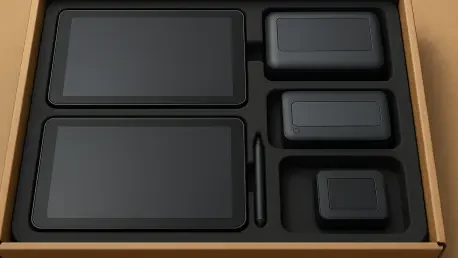

Volunteer-led organizations benefit from uniform hardware setups that simplify training and reduce the likelihood of human error during live transactions. In the high-stakes environment of event management, the initial instinct to piece together technology components from various providers often leads to what professionals call the fragmentation trap. This occurs when a planner attempts to save on line-item costs by sourcing iPads from one vendor, Point of Sale terminals from another, and networking equipment from a local third party. While the individual invoices might appear lower, the resulting system lacks cohesion, creating invisible vulnerabilities at the points where these disparate technologies should intersect. When the guest registration line stretches out the door and a firmware update on a card reader prevents it from communicating with the rental tablet, the cost of that fragmentation becomes painfully clear. The primary risk in modern event logistics is rarely the failure of a single device, but rather the failure of the technical ecosystem to operate as a singular, reliable unit. By choosing a bundled solution, organizers prioritize systemic integrity, ensuring that the technology serves the event’s mission rather than becoming a distraction that requires constant troubleshooting from an already overburdened staff.
Streamlining Operations Through Integration
Technical Synergy: Ensuring Hardware Interoperability
A primary advantage of bundled rentals is the guaranteed interoperability of all accessories within the kit. Professional bundles include iPads paired with specific stands, cases that do not obstruct charging ports, and peripherals like badge scanners that are verified to work with the specific tablet firmware provided. This prevents the accessory grab bag scenario where cables or connectors might be missing or incompatible, a frequent issue when items are rented piecemeal. When hardware is sourced from a single provider, every component is pre-tested to ensure that the physical and digital connections are robust. For instance, a scanner that works perfectly in a laboratory setting might fail on an event floor if the iPad case is too thick to allow for a secure lightning or USB-C connection. Bundled providers solve these mechanical problems before the equipment even leaves the warehouse, allowing the event team to focus on high-level logistics rather than hardware troubleshooting.
The concept of technical synergy also extends to the power management and physical security of the devices. Integrated bundles often come with charging hubs and keyed security stands that are designed for the specific iPad models in the shipment. In a fragmented setup, a planner might find themselves with a dozen different power strips and mismatched charging cables, increasing the clutter at the check-in desk and the risk of a device losing power mid-event. A unified bundle treats the entire setup as a workstation, where the tablet, the payment terminal, and the stand function as a single, cohesive unit. This level of physical integration not only improves the reliability of the system but also enhances the professional aesthetic of the event. A clean, streamlined registration desk sends a message of competence and modern efficiency to guests, establishing a positive first impression that sets the tone for the remainder of the program.
Software Readiness: The Advantage of Pre-Configuration
Beyond the physical hardware, bundled devices arrive in an event-ready state rather than a factory-reset condition. This means that essential software applications, such as specialized registration platforms, silent auction software, or lead retrieval tools, are pre-installed and updated to the latest stable versions. In a typical non-bundled scenario, an event team might spend the night before an event downloading dozens of apps and ensuring each one is logged into the correct account. Bundled services eliminate this manual labor by performing a mass deployment of software through mobile device management systems. When the team opens the shipping crates, the tablets are already aware of the necessary applications, saving hours of manual setup and troubleshooting during the high-pressure window immediately preceding the event’s start time. This level of preparation is essential for maintaining a strict timeline and ensuring that the technical infrastructure is ready for a final walkthrough.
Customization is another hallmark of these integrated software solutions, allowing for a personalized brand experience across all devices. For corporate trade shows or branded galas, providers can pre-load digital signage, sponsor videos, or specific registration workflows that align with the organization’s visual identity. This ensures a consistent brand experience across every device on the floor without requiring the event team to touch a single settings menu or download individual files manually. Furthermore, connectivity settings, such as local Wi-Fi credentials or cellular data configurations, are often pre-loaded into the devices. This prevents the frantic scramble of typing complex passwords into dozens of tablets minutes before the doors open. By delivering a plug-and-play experience, bundled rentals allow the event staff to remain focused on guest engagement and program execution rather than navigating the technical minutiae of software configuration.
Strategic Planning and Resource Allocation
Strategic Scaling: Calculating Device Count and Timing
Determining the correct number of devices is vital for maintaining a smooth flow of traffic and avoiding guest frustration. For conferences and galas, a standard and proven metric is to provide one check-in device for every 75 to 100 guests. Using this ratio as a baseline, a 500-person event would require approximately six to eight iPads to prevent entry-way bottlenecks, ensuring that the guest’s arrival is handled with efficiency and professionalism. For festivals or large markets, the calculation shifts from guest count to vendor count, with one unit typically required per vendor booth to facilitate seamless transactions. A bundled provider can offer expert guidance on these metrics, helping planners avoid the twin pitfalls of over-renting unnecessary gear or under-equipping the staff, both of which can have significant financial and operational consequences during a live event.
The timeline for deployment is equally critical to the success of the technology strategy and requires careful coordination with the rental partner. Securing a technology bundle at least two weeks in advance allows for proper configuration and testing by the provider to meet the specific needs of the event. Having the equipment arrive three to five days before the event provides a crucial buffer for the team to conduct dry runs and train staff on the exact hardware they will be using. This period allows the organizers to identify any environmental challenges at the venue, such as dead zones in the Wi-Fi coverage or physical layout issues that might require a reorganization of the check-in flow. By establishing a clear timeline for delivery and testing, the event team can enter the live session with the confidence that the technical foundation is stable and that every potential failure point has been addressed well in advance.
The Human Element: Empowering Staff and Volunteers
The human factor is often the most overlooked component of event technology, yet it is frequently the point where systems succeed or fail. In many sectors, particularly within non-profit organizations, event execution relies heavily on volunteers who may not possess advanced technical skills or familiarity with the specific software being used. The bundled approach simplifies the user interface and the hardware interaction to the point where a 15-minute training session is often sufficient for even the least tech-savvy volunteer. Because the hardware and software are uniform across every station, the instructions provided to the staff are consistent. This uniformity reduces the cognitive load on the workers, allowing them to focus on interacting with guests rather than struggling with their tools. When every tablet looks and behaves exactly the same way, the staff can support one another more effectively, further reducing the need for specialized technical oversight.
This consistency in hardware and software directly translates to a reduction in human error, which is the most common cause of data loss or financial discrepancies during large events. Errors such as missed data entries, duplicate registrations, or payment processing mistakes are far less likely to occur when the staff is working with a simplified, pre-configured system. By empowering the staff to handle their responsibilities with confidence, the bundled rental model ensures a higher level of data integrity and financial accuracy. Furthermore, the reduced stress on the volunteer team leads to a more positive atmosphere at the front line of the event. Staff members who feel competent and supported are more likely to provide high-quality service to the guests, which enhances the overall reputation of the hosting organization. The technology, in this context, acts as an invisible enabler of human connection rather than a barrier to it.
Financial Efficiency and Post-Event Logistics
Financial Analysis: Evaluating the Cost of Ownership
The debate between renting and buying technology for events is often settled by a thorough examination of the total cost of ownership and the reality of modern technology lifecycles. Owning a permanent fleet of iPads for occasional events introduces significant hidden costs, including the continuous degradation of battery health and the rapid obsolescence of internal hardware components. As software updates become more demanding, older tablets eventually fail to support the latest versions of critical event apps, rendering an owned fleet useless within a few years. Furthermore, the logistical drain of secure storage, maintenance, and regular software updates for devices that may only be used a few times a year is a substantial burden on organizational resources. Rental bundles shift these responsibilities entirely to the provider, ensuring that the event always utilizes modern, high-functioning hardware that is specifically optimized for the task at hand.
Modern rental platforms have also introduced a level of transparency that was previously unavailable in the industry through self-serve pricing models. In the past, organizers often had to wait days or weeks for customized quotes, which made early-stage budgeting difficult and imprecise. Today, the ability to see real-time availability and costs through online portals allows planners to make immediate, data-driven decisions. This transparency is particularly valuable during peak event seasons, such as the period from 2026 to 2028, when inventory for high-end tablets and networking gear can be limited. By locking in inventory through a transparent pricing portal, organizations can ensure they have the necessary gear at a predictable price point, avoiding the last-minute surcharges or shipping delays that often plague those who wait too long to finalize their technology needs. This financial predictability allows for better resource allocation across other areas of the event, such as catering or marketing.
Operational Wrap-Up: Simplification of Returns and Support
The value of a bundled partner extends far beyond the final guest departure, providing essential support during the often-chaotic teardown phase. At the conclusion of a major event, staff are typically exhausted and focused on clearing the venue as quickly as possible, which is when equipment is most likely to be lost or damaged. Bundled rentals simplify this process by providing specialized, foam-lined shipping crates that are designed for rapid and secure packing. When every tablet, stand, and router has a designated spot in a single box, the inventory process becomes a simple visual check rather than a frantic search through multiple packages. This organized approach to returns ensures that the organization avoids the costly replacement fees that can arise from missing peripherals or improperly packed hardware, providing a clean conclusion to the event’s logistical cycle.
Liability management is also significantly streamlined when dealing with a single bundled provider. In a fragmented setup, if a device is damaged or a system fails to perform, the planner is often caught in a cycle of vendor finger-pointing, where the software provider blames the hardware and the hardware provider blames the network. A bundled rental centralizes accountability, meaning there is one support line to call and one insurance policy to navigate. Most professional rental agreements include clear damage waivers or insurance options that cover the entire kit, offering peace of mind to the organizers. With prepaid shipping labels and a single return point, the logistical burden of the post-event phase is minimized. This allows the event team to wrap up their project with minimal stress, knowing that the technical components of the event have been handled professionally from the first configuration to the final return shipment.
Strategic Outcomes: Moving Toward Integrated Event Execution
The shift toward bundled technology solutions represented a fundamental change in how successful organizations approached event execution. The transition from managing individual pieces of hardware to overseeing integrated outcomes allowed planners to reclaim valuable time and mental energy. By 2026, the most effective event managers had already moved away from the piecemeal sourcing of the past, recognizing that the hidden costs of coordination far outweighed any perceived savings from shopping around for the lowest individual price. These professionals prioritized the guest experience by ensuring that the technology at the front line was robust, uniform, and ready for immediate use. The successful implementation of these strategies resulted in higher guest satisfaction scores, more accurate data collection, and a significant reduction in the stress levels of both staff and volunteers during the live phases of the program.
Moving forward, organizers who wish to maintain a competitive edge should begin by auditing their current technology procurement processes. The first actionable step involves identifying the specific software requirements for upcoming events and finding a rental partner capable of pre-loading and testing those applications on a unified fleet of devices. Planners should also prioritize vendors who offer transparent, real-time pricing to ensure that budgeting remains accurate and that inventory is secured well in advance of the busy season. By consolidating the hardware, software, and networking needs into a single, professional bundle, organizations can move from a state of reactive troubleshooting to one of proactive strategic management. This integrated approach ultimately ensures that the technology serves as a powerful, invisible engine for the event’s success, allowing the focus to remain firmly on the human connections and organizational goals that define the most impactful large-scale gatherings.