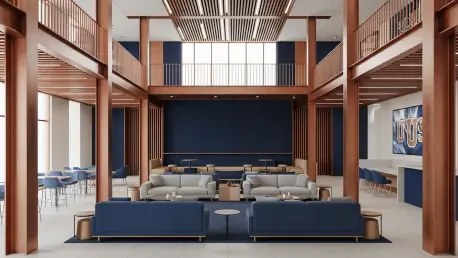

The revitalization of Tucson’s urban core is reaching a fever pitch as the community prepares for a new cultural landmark that bridges the gap between campus traditions and downtown energy. Block A emerges not just as another dining establishment, but as a dedicated sanctuary for University of Arizona supporters who seek a sophisticated environment to celebrate their shared heritage. Located in the heart of the historic district, this venue represents a calculated investment in the city’s identity, blending modern amenities with the nostalgic echoes of legendary sports moments. As the skyline of Tucson continues to evolve through the current development cycle of 2026, the arrival of this sports-centric hub signals a maturation of the local market. It caters to a demographic that values both the high-octane excitement of game day and the refined comfort of a premium social lounge. This integration of collegiate pride into the downtown fabric ensures that the university’s influence extends far beyond the campus boundaries.
A Transformed Interior Defined by Innovation
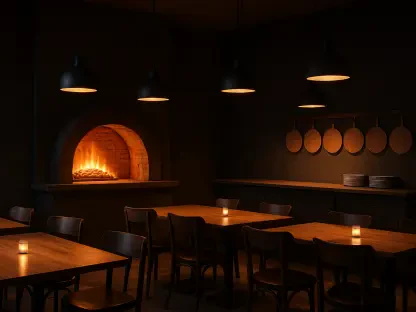
The architectural vision for the new space prioritizes an immersive environment that leverages the latest advancements in audiovisual technology to recreate the intensity of the stadium. Patrons are greeted by a massive, wraparound 8K LED display system that provides crystal-clear views of every play from any vantage point in the room. This technological centerpiece is complemented by a directional audio grid, allowing different zones of the bar to focus on specific games without creating a chaotic noise floor. Design elements incorporate reclaimed wood from regional sources and custom steelwork that pays homage to Arizona’s industrial history, while the branding is tastefully integrated into the upholstery and lighting fixtures. Beyond the aesthetics, the facility includes high-speed fiber connectivity for real-time sports betting updates and social media integration, ensuring that the modern fan remains connected to the broader global sports conversation without leaving their seat.
Complementing the high-tech surroundings is a culinary program that elevates traditional sports bar fare into a sophisticated gastronomic experience rooted in the Sonoran Desert. The kitchen staff works in partnership with local agricultural cooperatives to source seasonal ingredients, ensuring that every dish reflects the unique flavors of Southern Arizona. From wagyu beef sliders topped with locally harvested chilies to craft cocktails infused with desert botanicals, the menu is designed to appeal to both casual fans and discerning food enthusiasts. A significant portion of the beverage program is dedicated to showcasing Tucson’s thriving brewery scene, with exclusive tap takeovers and collaborative brews that can only be found at this location. This focus on local sourcing not only enhances the quality of the offerings but also strengthens the regional supply chain, creating a symbiotic relationship between the hospitality sector and local producers that stabilizes the local economy in 2026.
Strategic Integration Into the Urban Landscape
The choice of location serves as a critical link between the University of Arizona campus and the downtown business district, facilitating a seamless flow of foot traffic. Strategically positioned near the Sun Link streetcar line, the venue encourages sustainable transit options for students and alumni who wish to travel between the university and the city center. This accessibility is a cornerstone of the project’s urban planning strategy, aiming to reduce vehicular congestion during peak game-day hours while maximizing the visibility of the downtown corridor. The exterior facade features retractable glass walls that blur the line between the indoor lounge and the bustling sidewalk, creating an inviting atmosphere that draws in passersby. By contributing to the pedestrian-friendly environment of Congress Street, the establishment acts as a catalyst for surrounding retail growth. This concentration of activity helps to maintain the vibrancy of the area well into the evening, supporting a diverse range of secondary services.
The successful launch of this venue established a definitive blueprint for how private enterprises could effectively partner with academic institutions to revitalize urban spaces. Developers and city planners observed that the integration of collegiate branding into commercial districts significantly increased foot traffic and long-term tenant retention. The project demonstrated that a focus on high-end technology and local culinary authenticity provided a sustainable competitive advantage over generic franchise models. Looking ahead, the city council recommended that future projects prioritize similar transit-oriented designs to further enhance the walkability of the downtown area. Stakeholders were encouraged to replicate this model in other districts, focusing on specialized themes that resonated with the local culture and historical identity. By prioritizing community engagement and technological infrastructure, the city ensured that the momentum generated by this development served as a foundation for broader economic resilience and continued cultural growth.