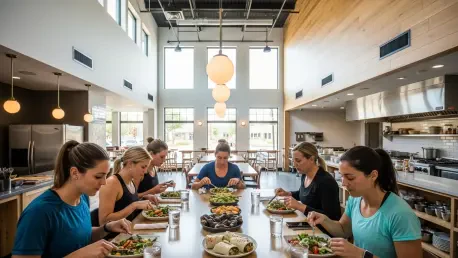

The traditional boundaries separating nutrition, fitness, and social interaction have dissolved as modern consumers demand more from their dining experiences than just a quick meal on the go. This shift marks a significant departure from the era of transactional food service, where convenience was the sole metric of success, toward a more integrated approach that views the restaurant as a cornerstone of personal health. Today, the fast-casual sector is increasingly stepping into the role of a community wellness partner, blending high-quality culinary offerings with physical activities that encourage a holistic lifestyle. By aligning brand identity with the broader goals of physical fitness and nutritional density, companies are creating a new blueprint for consumer engagement. This evolution is not merely about adding healthy options to a menu but involves a fundamental reimagining of what a dining brand represents in the daily lives of individuals who prioritize longevity and vitality.
The Evolution of Wellness: Integrating Movement and Community
The movement toward holistic wellness has found a powerful catalyst in the “Wellness Series” events that bridge the gap between high-intensity physical activity and post-workout nutrition. Across key metropolitan areas in states like Florida, Illinois, Colorado, and Minnesota, these initiatives have transformed parking lots and storefronts into vibrant community hubs where fitness enthusiasts gather for organized group sessions. By hosting these experiences, brands like CRISP & GREEN are reinforcing the idea that wellness is a communal journey rather than a solitary pursuit. This strategy effectively positions the restaurant as the physical and social headquarters for health-conscious neighborhoods. Instead of just selling a salad, the focus has shifted toward facilitating an entire ecosystem of well-being that starts with a workout and ends with a chef-crafted meal. This level of engagement fosters a deep-seated loyalty that transcends the typical consumer-vendor relationship.
Strategic partnerships with elite athletes and public figures have further elevated these community efforts, lending a high level of credibility and visibility to the brand’s mission. For instance, the involvement of Olympic gold medalist Shawn Johnson East and former NFL player Andrew East in events like the flagship gathering in Wayzata, Minnesota, provides a masterclass in wellness advocacy. Their participation, which includes leading workouts and participating in fireside chats, offers guests unique access to the mindsets of professional competitors who prioritize recovery and nutrition. This type of high-profile engagement does more than just draw a crowd; it authenticates the brand’s commitment to peak performance and health excellence. By blending the star power of recognized champions with the accessibility of local dining locations, companies are able to inspire their customer base to adopt more rigorous health standards while providing the necessary fuel to maintain them.
Digital Incentives: Driving Engagement Through Nutritional Rewards
Modern wellness initiatives are increasingly relying on digital infrastructure to synchronize nationwide participation and create a sense of urgency among the customer base. The introduction of specific windows of opportunity, such as a designated “Power Hour” from 3:00 p.m. to 4:00 p.m. on key national health dates, serves as a powerful tool for driving physical foot traffic through virtual means. During these windows, guests who utilize proprietary mobile applications can access tangible rewards, such as a free signature salad, grain bowl, or wrap. This approach does more than just provide a free meal; it successfully migrates casual customers into a digital ecosystem where their preferences and habits can be better understood. By leveraging the mobile app as a gatekeeper for these rewards, the brand ensures that the relationship continues long after the event ends. This synergy between digital convenience and physical reward creates a compelling reason for consumers to stay active.
Building on the success of these digital promotions, the fast-casual industry is witnessing a significant trend toward data-driven hospitality that emphasizes seasonal and whole-food ingredients. As companies scale their operations to dozens of locations across the country, maintaining the integrity of the menu becomes paramount to sustaining the trust of a health-savvy audience. The focus remains on providing “better-for-you” fuel that supports various dietary needs without compromising on flavor or culinary sophistication. This aggressive expansion plan is backed by a commitment to hospitality that treats every guest as a partner in a larger movement toward improved public health. By combining the speed of fast-casual service with the quality of a chef-driven kitchen, these establishments are proving that healthy eating does not have to be a chore or a time-consuming luxury. Instead, it becomes a seamless part of a productive lifestyle that values both time and nutritional efficacy.
Strategic Outcomes: Reflections on the Future of Health Integration
The successful implementation of these large-scale wellness initiatives demonstrated that the dining industry held a unique position to influence public health outcomes through collective action. Brands that moved beyond traditional advertising to host actual physical experiences found that they could create more meaningful connections with their target demographics. To replicate this success, other stakeholders in the food and beverage sector needed to prioritize the integration of movement into their marketing budgets rather than focusing solely on menu updates. These organizations recognized that true wellness required a multidimensional approach that addressed both physical activity and nutritional intake simultaneously. By providing platforms for communal exercise followed by restorative meals, these businesses became indispensable allies for individuals striving to meet their fitness goals. This strategy shifted the focus from simple consumption to a shared commitment to a more vibrant and active lifestyle.
Looking toward the evolution of this trend, it became clear that the next phase of the wellness era would depend heavily on the ability of brands to maintain authenticity while scaling their operations. The integration of celebrity influencers and high-profile athletes played a critical role in establishing authority, yet the long-term viability of these programs rested on the daily consistency of the guest experience. Establishments that focused on seasonal transitions and the sourcing of whole foods were able to sustain interest even after the initial excitement of national events subsided. Furthermore, the reliance on digital platforms proved that convenience and health were no longer mutually exclusive concepts in the eyes of the consumer. Companies that successfully navigated this landscape were those that viewed their locations as more than just points of sale, transforming them instead into vital community assets that championed a holistic and sustainable vision for human well-being.