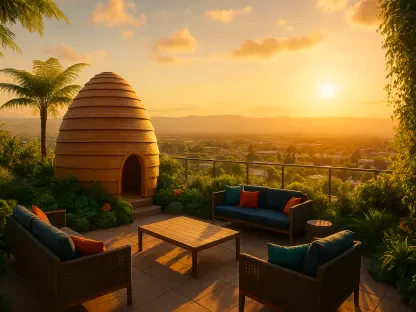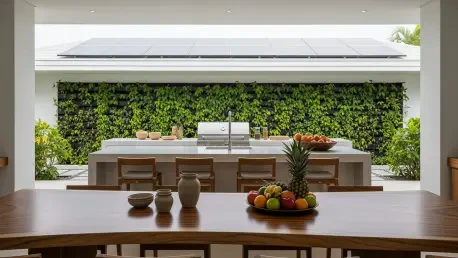

The pristine coastline of Bali has long served as a global stage for the evolution of high-end travel, but the current paradigm shift toward hyper-personalized, secluded escapes is fundamentally altering the island’s hospitality DNA. Travelers in 2026 are increasingly shunning the gilded halls of massive international hotel chains in favor of environments that offer deep emotional resonance and a genuine sense of autonomy. This transition from “material luxury,” defined by gold-plated fixtures and marble lobbies, to “experiential luxury,” which prioritizes unique memories and cultural depth, has placed the private villa at the forefront of the industry. The modern affluent guest no longer views a vacation as a passive consumption of services but as a proactive search for meaning, where the accommodation serves as a sanctuary for self-reflection and intimate social connection. By leveraging the island’s dramatic topography and rich artistic heritage, the villa sector has successfully carved out a niche that traditional hospitality models struggle to emulate, offering a blend of domestic comfort and professional-grade service that feels both exclusive and profoundly human.
Psychological shifts among the global elite have transformed privacy from an occasional indulgence into a non-negotiable requirement for physical and mental restoration. In a world characterized by constant digital connectivity and urban density, the ability to disappear into a walled garden or a cliffside retreat is the ultimate status symbol of the mid-2020s. This demand for isolation is not merely about physical distance from others; it is about the psychological peace that comes from controlling one’s own environment without the intrusion of communal schedules or shared amenities. Unlike the traditional resort experience, where breakfast hours and pool access are dictated by management, the private villa empowers the guest to dictate the rhythm of their own day. This autonomy creates a sense of belonging that is rarely achieved in a hotel setting, as the staff-to-guest interaction moves away from formalistic service toward a model of “experience curation,” where every detail of the stay is meticulously tailored to the individual’s lifestyle and personal values.
The Evolution of the Boutique Villa Model
The traditional hotel industry is currently navigating a period of intense competition as boutique villas capitalize on the inherent structural limitations of large-scale resorts. While five-star hotels offer undeniable luxury, they are often confined by the necessity of communal living, where guests must navigate elevators, lobbies, and shared dining rooms. In contrast, Bali’s premium villas provide spatial superiority that traditional suites simply cannot match, offering expansive open-plan living areas, private infinity pools, and landscaped grounds that are entirely dedicated to a single party. This residential feel allows for a level of flexibility that mirrors the comfort of a high-end home while providing the invisible, high-touch service expected of a world-class destination. The resulting sense of ownership over the space allows guests to host private gatherings or enjoy solitary retreats with equal ease, effectively redefining what it means to be a “guest” in a foreign land.
Architectural integrity plays a pivotal role in this redefinition, as developers move away from the “anywhere-luxury” aesthetic of international glass-and-steel towers toward a design philosophy rooted in the Balinese landscape. Modern villa construction in 2026 emphasizes the use of indigenous materials such as volcanic stone, reclaimed teak, and alang-alang thatch, integrated with contemporary minimalist lines. This focus on “place-making” ensures that the guest is constantly reminded of their geographical context, fostering a spiritual and physical connection to the island. By utilizing local craftsmanship and traditional building techniques, these properties provide a textured, sensory experience that feels authentic rather than manufactured. This architectural honesty not only enhances the visual appeal of the stay but also contributes to a deeper narrative of cultural appreciation, allowing travelers to feel that their presence on the island is a harmonious part of its ongoing story rather than a disruptive external force.
Wellness and the Holistic Guest Experience
Wellness has evolved from being an ancillary service—relegated to a basement spa or a small fitness center—to becoming the structural and conceptual heart of the Bali villa market. In the current climate, luxury is measured by how well an environment supports the guest’s physical and mental health, leading to the rise of health-conscious infrastructure that is built directly into the living space. Open-air architecture is now a standard feature, utilizing natural cross-ventilation and tropical greenery to create an indoor-outdoor flow that promotes relaxation and reduces the psychological fatigue associated with climate-controlled, sealed environments. This seamless integration with nature allows guests to wake up to the sounds of the jungle or the ocean, grounding them in the present moment and facilitating a state of mindfulness that is often interrupted in a standard hotel corridor.
To further support this holistic lifestyle, many high-end villas now include dedicated meditation pavilions, yoga decks, and in-house treatment rooms that allow for professional-grade wellness practices without the need to leave the property. This infrastructure is often supported by personalized nutritional programs where private chefs collaborate with guests to design menus based on organic, locally sourced ingredients. Whether it is a detoxification program or a gourmet farm-to-table experience, the level of customization available in a villa setting ensures that the traveler’s health goals are not compromised during their stay. By offering these services in a private, non-judgmental environment, the villa market provides a comprehensive sanctuary that addresses the modern need for restorative travel, making wellness a continuous thread throughout the vacation rather than a scheduled appointment.
Sustainability as a Core Value of Modern Luxury
The rise of the “conscious traveler” has pushed environmental stewardship from the margins of corporate social responsibility to the very center of the luxury value proposition. Affluent travelers in 2026 are highly sensitive to their ecological footprint and seek out accommodations that align with their personal ethics regarding conservation and community impact. Consequently, Bali’s villa developers are increasingly adopting eco-conscious design principles, such as solar power integration, rainwater harvesting systems, and the use of carbon-neutral building materials. These sustainable features are no longer seen as sacrifices in quality but as indicators of a sophisticated, forward-thinking approach to hospitality. Luxury is now defined by the intelligence of the design and its ability to exist in harmony with the delicate Balinese ecosystem, ensuring that the beauty of the destination is preserved for those who follow.
Beyond the physical structure, operational sustainability has become a critical metric of success for private villas, involving a shift away from single-use plastics and toward closed-loop waste management systems. This ethical commitment extends to the social fabric of the island through community integration programs that prioritize local employment and support traditional Balinese arts. By sourcing labor, decorative elements, and food from surrounding villages, villa operators ensure that the economic prosperity generated by high-end tourism is shared equitably with the local population. This symbiotic relationship strengthens the bond between the traveler and the host community, providing a more authentic and enriching experience for the guest while safeguarding the cultural heritage that makes Bali unique. When a villa functions as an active participant in local preservation, it elevates the guest’s stay from a simple transaction to a meaningful contribution to the island’s future.
The Intersection of Technology and Authentic Hospitality
While the desire for an “unplugged” and authentic experience remains strong, the modern luxury traveler expects the convenience and efficiency provided by cutting-edge technology. The challenge for Bali’s villa sector is to integrate these advancements “invisibly,” ensuring that the warmth of Balinese hospitality remains the primary focus. Smart home systems are now commonly used to manage climate control, lighting, and high-fidelity entertainment through intuitive interfaces, allowing guests to customize their environment with minimal effort. For the growing demographic of digital nomads and remote executives, high-speed fiber-optic connectivity and ergonomic workspaces have become essential features. This technological layer supports a seamless transition between work and leisure, enabling long-term stays that were previously difficult to manage in traditional resort settings.
The digital landscape has also transformed how these properties are discovered and marketed, with visual storytelling through social media playing a decisive role in the guest’s decision-making process. The aesthetic appeal of a villa—often measured by its “Instagrammability”—has encouraged architects and interior designers to create striking, photogenic spaces that serve as the perfect backdrop for digital narratives. However, the industry’s leaders understand that a beautiful photograph is only the beginning; the true value lies in the human element. Technology is utilized as a tool for personalization, allowing staff to anticipate guest needs through digital concierge platforms and pre-arrival surveys. This data-driven approach ensures that the service is proactive rather than reactive, enabling a level of attentiveness that feels personal and bespoke. Ultimately, the successful fusion of high-tech efficiency and high-touch service is what distinguishes the most prestigious villas, proving that innovation can coexist with tradition.
The transformation of the Bali villa market has set a new standard for luxury hospitality that is deeply rooted in personalization, environmental responsibility, and a holistic approach to well-being. Looking forward, the most successful properties will likely be those that continue to prioritize “slow luxury,” focusing on the quality of time and the depth of experience rather than the quantity of amenities. Property owners and developers should consider investing further in regenerative agriculture on-site and expanding their digital infrastructure to support the increasingly blurred lines between professional and private life. By maintaining this delicate balance between high-end modernization and cultural preservation, Bali can ensure its continued relevance as a global leader in sophisticated travel. The shift toward these values was not just a temporary reaction to changing tastes but a fundamental reimagining of what it means to live well while away from home. Consequently, the lessons learned from the villa sector’s success will continue to influence broader hospitality trends for years to come.