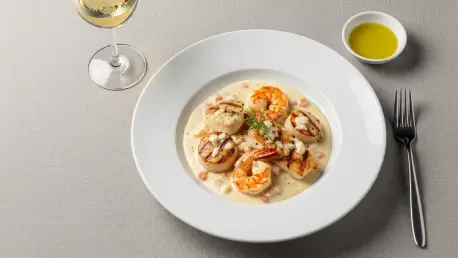

The rising standard for seafood pasta in the American casual dining sector has forced national restaurant chains to elevate their ingredient sourcing and preparation methods significantly to remain competitive in a landscape dominated by discerning consumers. High-quality seafood, once reserved for specialized fine-dining establishments, is now a centerpiece at mainstream chains that have mastered the balance between volume and flavor. For instance, The Cheesecake Factory has consistently performed well in culinary rankings due to its Bistro Shrimp Pasta, which utilizes a delicate blend of lemon-garlic butter and fried shrimp to create a profile that rivals boutique Italian eateries. Similarly, Seasons 52 has gained traction by emphasizing calorie-conscious yet flavorful dishes like their lobster and fresh pasta pairings. These establishments succeeded by moving away from frozen components toward fresh, seasonal additions. The consumer shift toward transparency in sourcing played a pivotal role in why these chains outperformed their competitors in 2026.
Culinary Innovation: Elevating Classic Italian Profiles
Carrabba’s Italian Grill and Bonefish Grill have secured their positions at the top of the seafood pasta rankings by focusing on specific regional influences and high-heat cooking techniques. At Carrabba’s, the Linguine Pescatore stands out because it incorporates a rich spicy marinara sauce that complements the natural sweetness of scallops and shrimp, providing a depth of flavor often missing in standardized chain menus. This focus on “made-from-scratch” sauces allowed the chain to build a loyal following among pasta enthusiasts. Meanwhile, Bonefish Grill leveraged its expertise in aquatic proteins to introduce innovative pasta options that feature wood-grilled seafood, adding a smoky dimension to traditional cream-based dishes. By 2026, the integration of specialized equipment like wood-fired grills into the pasta preparation process became a hallmark of high-ranking chains. Moreover, Olive Garden’s focus on the Seafood Alfredo showcased how even large players can refine recipes by increasing the ratio of scallops to pasta. This strategic shift toward protein-heavy portions addressed a common criticism of chain dining, ensuring that the value proposition remained high for guests who prioritize the seafood experience.
Strategic Directions: Lessons From the Top Five Chains
The success of these five major restaurant chains demonstrated that consumer loyalty was directly tied to the consistency and quality of high-value proteins like lobster, shrimp, and scallops. It became evident that the traditional model of using heavy sauces to mask lower-quality seafood no longer sufficed for a market that valued clean labels and sustainable sourcing. Industry leaders recognized that investing in robust supply chains for wild-caught seafood was a necessary expense rather than a luxury. This transition prompted smaller competitors to evaluate their own procurement strategies to avoid being sidelined by the growing popularity of premium seafood pasta offerings. Moving forward from 2026 through 2028, the industry observed that the most effective path toward sustained growth involved a combination of culinary transparency and regional flavor customization. It was ultimately concluded that the category depended on the ability to deliver fine-dining quality within a casual environment. These operational changes proved that menu evolution was about logistics, setting a new benchmark for diner expectations.