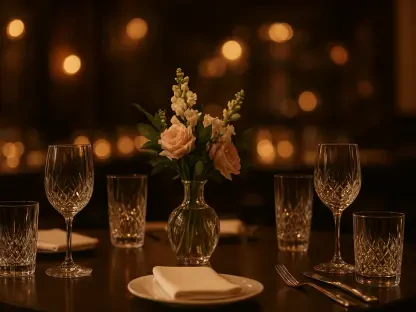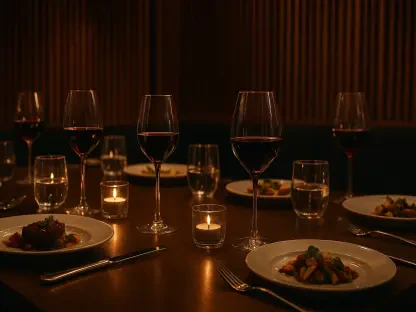

The menu at Gigi features nostalgic touches such as monkfish wrapped in Parma ham and sage, reflecting a knowingly retro approach to classic Italian gastronomy. This establishment, situated on Manchester’s iconic Deansgate, breathes new life into a Grade II-listed landmark that previously housed the Manchester City Library. The transition from the former Gusto site represents a sophisticated evolution of the city’s dining scene, moving away from casual chains toward a more tailored, high-end experience. By preserving the architectural integrity of this historic venue, the project successfully marries the grandeur of the past with a modern culinary ambition that resonates with the city’s cosmopolitan demographic. The design emphasizes a sense of permanence and quality, ensuring that the space remains as much a tribute to Manchester’s heritage as it is a beacon for its future. As the neighborhood continues its rapid revitalization, Gigi stands as a central pillar in the luxury hospitality sector.
The Cinematic Vision: From Mayfair to Deansgate
Jamie Barber, an influential figure in the hospitality investment sphere and former entertainment lawyer, served as the primary architect for this concept. Drawing upon a career spent navigating the high-society enclaves of the Mediterranean, such as Monaco and Saint-Tropez, Barber aimed to replicate the effortless “sexy glamour” of the mid-20th century. His personal history in the Tuscan resort of Forte dei Marmi provided a foundation of authentic Italian influence, which was then filtered through the lens of 1960s cinema. Icons like Sean Connery and Michael Caine informed the aesthetic choices, prioritizing a “gently beautiful” atmosphere over the aggressive flashiness often found in modern developments. This venture represents a professional milestone, arriving twenty-five years after his initial foray into the industry with the opening of Hush in Mayfair. By bringing this refined perspective to the North, the project elevates the regional standards of luxury dining.
The physical transformation of the space was entrusted to the renowned Russell Sage Studio, a firm celebrated for its high-profile work on prestigious projects like The Savoy. Their approach focused on leveraging the building’s inherent majesty, including its soaring ceilings and period-specific features, to create an environment that feels both grand and intimate. The result is a space that avoids the “bling” of contemporary trends in favor of a timeless elegance that invites guests to linger. Careful attention was paid to the acoustic and visual flow of the restaurant, ensuring that the historical significance of the former library is respected while functioning as a high-capacity modern venue. This strategic use of heritage architecture serves a dual purpose: it provides an immediate sense of prestige and ensures that the restaurant remains a distinct destination within a competitive market. The design successfully captures the “Swinging 60s” jet-set spirit through texture, lighting, and layout.
Culinary Precision: Elevating the Italian Grill Room
Central to the dining experience is the traditional Italian grill room concept, where the emphasis shifts from generic pasta dishes to the art of premium meat preparation. Under the culinary leadership of Manchester’s own Sam Astley-Dean, the kitchen prioritizes the “bistecca alla Fiorentina” as its signature offering. These massive T-bone steaks are sourced from rare-breed cattle and seasoned with minimal intervention—primarily salt and high-quality olive oil—to allow the natural flavors of the produce to take center stage. This focus on high-grade British and Italian ingredients reflects a broader trend toward transparency and quality in the industry. The inclusion of a dedicated “meat drawer” provides a tactile and visual connection to the kitchen’s craft, reinforcing the restaurant’s commitment to artisanal butchery. By moving the grill to the forefront of the menu, the establishment differentiates itself from the standard Italian fare that has long dominated the local high street.
Beyond the steaks, the menu offers a rhythmic progression of flavors that balances traditional techniques with contemporary flair. Small plates, such as Cornish bluefin tuna crudo and grilled prawns accented with Calabrian chili, provide a vibrant start to the meal. The kitchen also experiments with innovative interpretations of classic flavors, exemplified by the “filthy” carbonara pizzetta featuring guanciale and crème fraîche. Handmade pastas continue to play a supporting yet vital role, with dishes like brown crab linguine and slowly braised beef shin providing depth and variety for those seeking a more traditional course. Each dish is meticulously curated to align with the restaurant’s retro-glamour theme while maintaining a high level of technical execution. This culinary diversity ensures that the venue can cater to both a quick lunch and a prolonged, multi-course evening dinner. The integration of seasonal local produce ensures that the Mediterranean-inspired menu remains grounded.
Bar EleganzA Hub for Sophisticated Mixology
The beverage program at the venue is anchored by “Bar Eleganza,” a space designed to emulate the refined atmosphere of legendary Italian hotel bars. To achieve this, the team collaborated with the Manchester-based consultancy Errant to develop a comprehensive beverage strategy. A primary highlight is the “House of Negroni,” a specialized menu that explores the nuances of this classic cocktail through various gins, vermouths, and bitters. This commitment to a single iconic drink allows the bar to showcase its expertise while providing guests with a sophisticated educational experience. Alongside the Negroni selection, the bar serves an array of perfectly chilled Martinis, Sgroppinos, and a curated list of Italian and international wines. The bar functions not merely as a waiting area for the restaurant but as a standalone destination for cocktail enthusiasts and socialites. This strategic focus on high-end mixology strengthens the venue’s appeal as a premier nightlife hub in the Deansgate district.
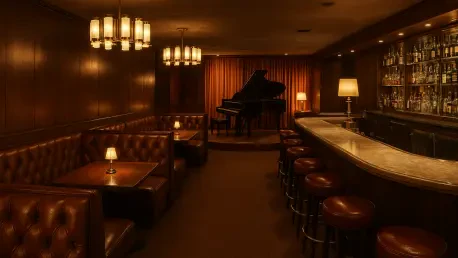
Entertainment is woven into the fabric of the evening to ensure that the transition from dining to socializing is entirely seamless. The inclusion of a baby grand piano serves as a focal point for live music, while a rotating roster of DJs and selectors curated by WANT Studios provides a contemporary soundtrack. This multi-layered approach to the guest experience ensures that there is no pressure to depart after the meal is finished, encouraging a “staying out” culture that has become increasingly rare. By providing high-quality sound and performance within a dining environment, the venue creates a “proper night out” atmosphere that appeals to a wide range of age groups. The integration of live performance elements is a deliberate strategy to increase guest dwell time and secondary spend at the bar. This holistic view of hospitality acknowledges that modern consumers are looking for more than just a meal; they are seeking an immersive social environment that evolves throughout the night.
Strategic Impact: Regional Talent and Global Standards
Although the inspiration for the project is deeply rooted in international jet-set culture, the execution remains firmly planted in local soil. By employing regional talent like Chef Sam Astley-Dean and partnering with local consultancies, the venue maintains an authentic connection to the Manchester community. This blend of global ambition and regional expertise is a critical factor in its operational strategy, ensuring that the restaurant avoids the pitfalls of generic national rollouts. The project recognizes the legacy of its predecessor while signaling a significant shift toward a more discerning, upscale market. This transition reflects the changing tastes of the city’s population, which increasingly demands higher standards of service, decor, and culinary innovation. The success of this model suggests that there is a significant appetite for independent-feeling concepts backed by the professional infrastructure of experienced investors.
The introduction of this concept also serves as a catalyst for further investment in the Deansgate area, reinforcing its status as a high-end destination. By revitalizing a historically significant building, the project demonstrates how heritage assets can be adapted to meet the needs of a modern economy. This synthesis of the pleasure of eating with the art of entertainment creates a comprehensive hospitality model that is likely to be emulated by others in the sector. The focus on “restrained glamour” provides a sophisticated alternative to the louder, more transient trends that often dominate the city’s nightlife. As the hospitality industry continues to navigate a complex economic landscape, this venture proves that a commitment to quality, narrative, and local partnership can yield a resilient and popular brand. The restaurant effectively bridges the gap between the nostalgia of the 1960s and the requirements of a 21st-century urban environment, setting a new standard for excellence.
Future Directions: Strengthening the Luxury Dining Sector
The successful launch of Gigi provided several key insights for the future of luxury dining in metropolitan centers. It was demonstrated that integrating live entertainment with high-end culinary offerings created a more resilient business model by increasing guest engagement and dwell time. Operators who wish to replicate this success should prioritize the preservation of historical site features, as these provide an immediate sense of prestige that modern builds often lack. Furthermore, the collaboration with local creative consultancies ensured that the brand narrative remained authentic to the specific city context. Future developments in this sector should focus on the “staying out” experience, where the boundary between the restaurant and the bar is blurred to accommodate changing social habits. By investing in permanent fixtures like piano bars and specialized cocktail programs, venues can secure their position as essential cultural landmarks.
Looking forward, the success of this flagship location suggests a sustainable path for similar high-end concepts that emphasize regional identity and craftsmanship. The strategy of moving away from standardized menus toward a more specialized, product-led approach—such as the focus on rare-breed Italian meats—has proven to be a vital differentiator in a crowded market. For future projects, the emphasis should remain on the synthesis of architecture, gastronomy, and performance, creating venues that serve as social anchors for their respective neighborhoods. Investors and developers should also consider the long-term benefits of hiring dedicated local talent, which fosters community loyalty and ensures operational authenticity. As the hospitality landscape evolves, those who prioritize the guest’s holistic journey—from the first aperitivo to the late-night music—will likely see continued growth and relevance. This project serves as a definitive case study in the power of nostalgic branding.