
Organizing a high-profile social gathering in a private residence often feels like a high-stakes performance where the host is both the director and the lead actor, frequently missing the standing ovation because they are busy in the wings. Modern private catering strategies emphasize small, high-impact bites that serve as conversation starters rather than distractions for attendees. By removing the logistical burden of grocery shopping, precise menu planning, and the intensive labor of cooking, private catering allows individuals to reclaim their status as participants in their own celebrations. In regions like Lanzarote, the shift toward villa-based dining has redefined the traditional party structure, moving away from rigid restaurant schedules toward a fluid, intimate environment. This evolution in hospitality ensures that the focus remains on human connection, where the professional presence of a chef transforms a chaotic kitchen into a well-oiled engine of social success, granting the host the freedom to engage with guests.
Elevating the Guest Experience Through Culinary Strategy
Innovative Menu Design and Social Flow
The shift toward “small bites” and tapas-style menus is not merely a culinary trend but a strategic move to enhance the social flow of modern gatherings. When a menu is designed around finger foods, it removes the physical barriers of a formal sit-down dinner, such as assigned seating and heavy cutlery, which often stifle cross-table conversation. Guests are encouraged to move through the space, interacting with different groups while sampling a curated selection of dishes that are easy to consume while standing. This dynamic format is particularly effective for events like milestone surprises or holiday celebrations where the guest list is diverse and the energy needs to remain high throughout the evening. By prioritizing mobility, the host ensures that the environment feels organic and unforced, allowing the atmosphere to evolve naturally as the night progresses. This culinary strategy effectively turns every platter into a focal point for new interactions among attendees while ensuring a steady pace.
Balancing Sophistication: Casual Comfort and Gourmet Flair
Achieving the perfect balance between sophisticated gourmet elements and the comforting familiarity of casual dining is the hallmark of an expert private chef. Menus today often feature clever reinterpretations of classics, such as “tuna crunch” sandwiches with a textural twist or mini cheeseburgers that utilize premium wagyu beef and artisanal cheeses. These choices resonate with guests because they offer the security of known flavors while surprising the palate with elevated ingredients and professional execution. The inclusion of playful finishes, like passion fruit and Prosecco jellies, adds a layer of festive elegance that rounds out the experience. Customization is also a critical pillar, as it addresses the diverse dietary requirements of modern guest lists without placing the burden on the host. Professional chefs work closely with clients to tailor menus that accommodate vegan, gluten-free, or keto preferences while maintaining the overall aesthetic and quality of the spread, often using local Mediterranean ingredients.
Professional Synergy and the Future of Private Hosting
The Importance: Seamless Operational Support
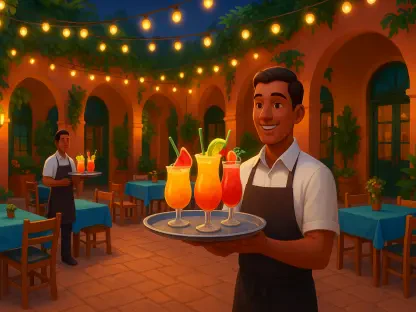
A truly stress-free event is the result of operational synergy that extends far beyond the kitchen walls, often requiring a dedicated two-person team to execute flawlessly. While the private chef is focused on the precision of culinary timing and plate presentation, a dedicated front-of-house manager or server handles the direct needs of the guests. This division of labor ensures that the “flow” of the party remains uninterrupted, as there is always someone available to refresh drinks, clear away used glassware, and manage the general logistics of the room. This partnership allows the chef to remain concentrated on the quality of the food, preventing the frantic atmosphere that often occurs when a solo cook tries to manage both production and service. The presence of a professional server also adds a layer of formal hospitality that elevates the event from a standard house party to a curated experience, mirroring the service standards of a luxury yacht while maintaining the intimacy of a home.
Professionalizing the Private Chef Industry: Future Growth
The adoption of professional catering transformed how modern social gatherings were experienced, effectively turning the labor of entertaining into an opportunity for authentic connection. By prioritizing “host autonomy” and a strategic culinary approach, hosts successfully eliminated the common stressors associated with event planning and execution. The shift toward specialized teams and curated small-bite menus proved that high-impact flavor and sophisticated service were achievable in any setting, from holiday villas to private residences. From 2026 to 2028, the industry saw a surge in personalized mentorship that allowed commercial chefs to master the logistics of private estates. Those seeking to host memorable events prioritized early consultation with culinary experts to develop bespoke menus that reflected their personal brand and specific dietary needs. Reclaiming time and energy became the true luxury of the decade, allowing the art of the party to flourish through careful outsourcing and the pursuit of culinary excellence.