
The fast-casual dining landscape across the Twin Cities underwent a significant transformation when local residents began demanding more than just a quick meal; they sought a holistic lifestyle brand that merged nutrition with physical activity. CRISP & GREEN emerged as a response to this shift, positioning itself at the intersection of a high-quality eatery and a community wellness hub. By offering scratch-made salads, grain bowls, and smoothies alongside free fitness classes, the brand has successfully turned the act of eating healthy into a social experience. This movement has gained substantial momentum as more individuals prioritize longevity and well-being in their daily routines. The success of this model is rooted in the understanding that modern consumers value transparency in sourcing and convenience in access. As the brand continues to expand its footprint throughout Minnesota, it establishes a new standard for how food businesses can actively contribute to the public health of a region by fostering a culture of movement and mindful consumption.
Integrating Physical Activity Into the Dining Experience
Community-Focused Fitness Initiatives
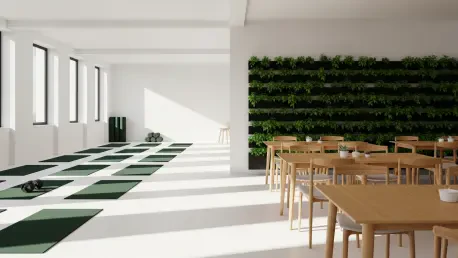
One of the most distinctive features of the brand’s strategy involves the implementation of “Crisp Events,” which are complimentary fitness sessions hosted at or near restaurant locations. These gatherings frequently feature local yoga instructors, HIIT coaches, and pilates experts who lead participants through rigorous workouts before they enjoy a nutrient-dense meal. This strategy effectively lowers the barrier to entry for many who might feel intimidated by traditional gym environments while simultaneously building a loyal customer base that associates the brand with positive physical outcomes. By 2026, these initiatives have expanded from seasonal weekend pop-ups to a year-round schedule that accommodates various fitness levels and interests. The integration of physical movement directly into the retail space creates a unique ecosystem where health is lived as an experience rather than just a transaction. Consequently, the restaurant becomes an anchor for wellness enthusiasts and newcomers who seek community support.
Architectural Design and Wellness Spaces
The physical environment of each location is meticulously designed to reflect the brand’s commitment to clarity, health, and modern aesthetics, utilizing open layouts and natural lighting. High ceilings and minimalist décor create a calming atmosphere that contrasts with the frantic energy of typical fast-food establishments, encouraging patrons to linger and recharge. Natural materials such as light wood and stone are paired with vibrant greenery to bring an organic feel indoors, reinforcing the connection between the food and the earth. These design choices are intentional, aimed at reducing stress and promoting a sense of well-being from the moment a customer steps through the door. Furthermore, the layout often includes flexible spaces that can be easily reconfigured to accommodate the aforementioned fitness classes or community meetings. By prioritizing a clean and inviting aesthetic, the brand ensures that the dining environment is as healthy for the mind as the menu is for the body.
Culinary Innovation and Digital Health Strategy
Seasonal Sourcing and Supply Chain Integrity
At the heart of the culinary philosophy is a rigorous commitment to ingredient quality and transparency, ensuring that every bowl served meets high nutritional standards. The menu undergoes frequent seasonal rotations to reflect the availability of produce in the Midwest, which supports local farmers and reduces the carbon footprint associated with long-distance shipping. This reliance on seasonal cycles means that customers are provided with the freshest possible ingredients, which are often at their peak nutritional value when harvested. Chefs work closely with nutritionists to balance macronutrients, ensuring that each dish provides sustained energy without the heavy feeling often associated with fast-casual dining. By 2026, the brand has introduced even more specialized options, including adaptogen-infused dressings and locally sourced microgreens that offer targeted health benefits. This focus on “food as medicine” appeals to a demographic that is educated about the impact of diet on personal health.
Strategic Steps for Regional Health Development
The expansion of this health-centric model throughout Minnesota provided a blueprint for how urban and suburban communities could integrate wellness into their daily infrastructure. Organizations observed that the combination of nutritional transparency and accessible fitness events fostered a more resilient and engaged populace. Stakeholders identified that the most successful implementations involved deep local partnerships and a relentless focus on the user experience across both digital and physical touchpoints. Moving forward, it was clear that the intersection of technology and hospitality would continue to drive innovation in the wellness sector. Future considerations necessitated a continued investment in sustainable sourcing and the adoption of advanced data analytics to provide even more precise health outcomes for consumers. The transition from a traditional restaurant model to a lifestyle platform suggested that the boundaries between food and health would remain blurred for several years.