
One of the most innovative menu items is a dry-aged ribeye steak drenched in whisky, a creative byproduct of the founders’ extensive experience in the distilling industry. This culinary signature serves as the focal point for the Barrelhouse Group’s latest venture, the meticulous reopening of the heritage-listed Observer Hotel in the historic heart of Sydney’s The Rocks. Following an arduous three-and-a-half-year restoration journey, the venue has been reinvented as a quintessential British pub that honors its 18th-century roots while embracing the demands of modern hospitality. Led by the seasoned expertise of Mikey Enright and Julian Train, the project represents a significant investment in the city’s cultural landscape, merging historical integrity with sophisticated service. By consolidating three distinct structures—the former Waterman’s Arms, The Observer Tavern, and an adjacent vintage car garage—the group has created a multi-level experience that defies traditional constraints.
Revitalizing Heritage: Culinary Innovation and Community Standards
The culinary direction, established by head chef Sam Bull, successfully navigates the balance between high-quality British fare and the vibrant seasonal produce of Australia. Central to this mission is the daily roast dinner, a tradition refined at the group’s other venues and transplanted here with rigorous attention to detail. Beyond the signature whisky-aged steak, the menu features elevated classics such as Scotch eggs made with Hunter Valley ingredients and gammon steaks complemented by a unique pineapple-whisky glaze. The beverage program operates with equal specialization, utilizing imported British beer taps and exclusive cask ales that provide a distinct point of difference in the local market. By offering English white wines alongside local Australian selections, the establishment bridges two distinct cultures through a curated sensory experience. This strategic focus on quality ingredients and niche beverage offerings ensures the venue remains a destination for both residents and international visitors.
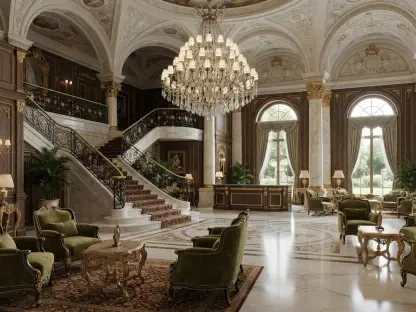
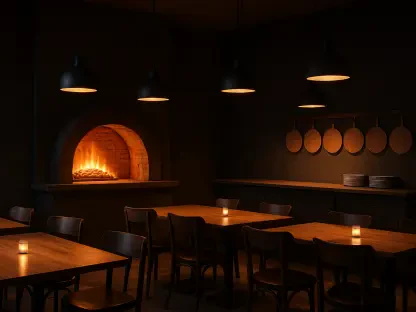
Architecturally, the transformation involved a complex integration of three heritage sites into a single, functional flow that preserves the aesthetic charm of the 1700s. The interior is defined by a grand oak bar and timber partitions that create intimate spaces, avoiding the cavernous feel common in modern developments. Design choices were driven by a commitment to authenticity, featuring antique furnishings sourced from the United Kingdom and a glass conservatory that floods the ground floor with natural light. On the second floor, the focus shifts to traditional pub culture, with a snooker table, dartboards, and chess parlors providing a social anchor for the local community. These elements were carefully placed to respect the building’s heritage listing while providing the operational infrastructure necessary for a high-volume hospitality business. The result is a space that feels organically evolved rather than manufactured, maintaining the soul of its historic predecessors while offering high functionality.
The successful revitalization of the Observer Hotel provided a clear roadmap for the future of heritage hospitality in dense urban environments. Organizations prioritized community connection and cultural authenticity over rapid commercial expansion, ensuring the project remained a reliable social hub for residents. This approach demonstrated that historical sites were repurposed effectively by integrating specialized technology, such as advanced climate control and efficient kitchen workflows, without disturbing the original masonry. Moving forward, the industry adopted these rigorous preservation standards to revitalize aging city districts, proving that heritage assets were most valuable when they served a functional purpose in the modern economy. Planners focused on creating destination venues that balanced tourist appeal with local utility, establishing a sustainable model for urban renewal. By investing in craftsmanship and historical research, the sector secured the long-term viability of Sydney’s landmarks.