
The global dining landscape is currently witnessing a massive surge in market valuation as major restaurant players overhaul their fundamental business models to meet unprecedented consumer demand. Today, the restaurant franchise sector is defined by a dual focus on aggressive geographic expansion and the meticulous refinement of operational models to ensure long-term viability. In a market where consumer preferences shift almost as fast as the technology used to track them, brands are moving far beyond traditional growth strategies. This analysis explores how a diverse array of industry players—from fast-casual Mediterranean concepts to heritage slider brands—are leveraging strategic innovation to capture new markets. By examining recent milestones and structural shifts, we can better understand the roadmap for success in the increasingly competitive global food industry.
The Evolution of the Franchise Development Pipeline
Historically, restaurant growth relied on a predictable, albeit slow, cycle of site selection, traditional construction, and direct corporate management. For decades, the industry standard involved asset-heavy models where corporate entities owned and operated a significant percentage of their storefronts. However, shifting market dynamics, rising real estate costs, and the need for rapid scalability have forced a departure from these foundational concepts. Today’s landscape is shaped by the lessons of the past, specifically the realization that speed-to-market and financial agility are just as important as the quality of the food being served. These background shifts have paved the way for the modular construction and refranchising strategies that dominate current market activities.
Transforming Operations: Efficiency and Asset Management
Accelerating Market Entry with Modular Construction
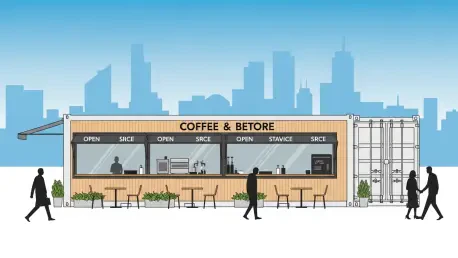
A critical aspect of modern restaurant growth is the reduction of lead times in the development pipeline. Traditional on-site construction often faces delays due to weather, labor shortages, and complex permitting. To solve this, brands like Lola Beans are pioneering a drop-and-go model through strategic partnerships with modular construction specialists and equipment brokers. By using pre-fabricated structures, beverage and drive-thru brands can bypass many of the hurdles associated with traditional builds. This innovation not only lowers the barrier to entry for franchisees but also allows brands to establish a physical presence in a matter of weeks rather than months, providing a significant competitive advantage in high-demand territories where timing is everything.
Optimizing Balance Sheets Through Refranchising
Beyond physical construction, the industry is seeing a major shift toward asset-light corporate structures. A prime example is the strategic pivot by established names like Red Robin Gourmet Burgers, which has initiated a significant refranchising program under its First Choice Plan. By selling corporate-owned locations to experienced multi-unit operators, the parent company reduces its direct capital expenditure and overhead. This strategy empowers local experts to focus on site-specific profitability while the corporate entity concentrates on brand-level innovation and support. This move toward refranchising illustrates a broader trend where corporate brands act more as strategic architects and less as day-to-day facility managers, allowing for a more focused allocation of resources.
Localizing Brand Identity for Regional Success
Expanding into new geographic regions requires more than just replicating a successful menu; it demands a sophisticated understanding of local tastes and cultural markers. When southern-born brands like Krystal move into the Northeast, they often leverage celebrity influence and regional menu engineering to bridge the gap between their origins and new audiences. For instance, introducing region-specific items like pork roll sliders or localized sauces helps a brand feel like a community staple rather than a distant interloper. This complexity highlights that while brand consistency is vital, the flexibility to adapt to regional market nuances is often the deciding factor in whether a brand thrives or fails in a new territory.
Emerging Trends: Shaping the Future of Dining
The next phase of the industry is being defined by eatertainment, specialized health segments, and the rise of corporate test kitchens. Brands like Twin Peaks capitalize on the sports lodge experience, blending high-volume food service with a destination-style atmosphere that attracts loyal demographics. Simultaneously, the meal-prep and health-conscious sector is expanding rapidly, as seen with the aggressive growth targets of brands like Fork to Fit, which seeks to establish thousands of locations to meet the demand for convenient wellness. Perhaps most importantly, the use of corporate-owned locations as live research and development labs is becoming a standard practice. By testing operational upgrades and pricing strategies in corporate test kitchens like those operated by Teriyaki Madness, brands can ensure that their innovations are vetted for profitability before a system-wide rollout.
Actionable Strategies: The Blueprint for Sustainable Franchise Growth
For businesses and professionals looking to apply these insights, several best practices emerge from the current market data. First, prioritizing operational flexibility—whether through modular building or flexible service models like catering and delivery—is essential for surviving economic fluctuations. Second, considering an asset-light approach helps free up capital for brand-wide technological improvements, such as advanced data analytics and automated kitchen equipment. Third, the power of localization remains unmatched; a menu that reflects the community’s palate will almost always outperform a rigid, one-size-fits-all offering in new markets. Finally, fostering a culture of research and development where new ideas are rigorously tested in a controlled environment ensures that the wider franchise network remains stable and profitable during periods of expansion.
The Strategic Path Forward
The restaurant franchise industry was no longer just about food; it became a complex intersection of real estate innovation, financial engineering, and cultural adaptation. From the international expansion of Mediterranean grills into the Caribbean to the domestic milestones of specialized chicken concepts reaching their fiftieth locations, the common thread was a commitment to strategic innovation. As the sector continued to evolve, the brands that succeeded were those that balanced aggressive growth with the agility to adapt to new technologies and regional preferences. This era of franchising rewarded the nimble and the strategic, proving that the future of the industry lay in the ability to innovate as fast as expansion occurred. Success was defined by the integration of modular technology and a deep commitment to regional market nuances, ensuring that brands remained relevant in an ever-changing global economy.