
The standard experience of eating lukewarm hot dogs while waiting for a stadium concert to begin is officially becoming a relic of the past as Rogers Stadium prepares for the 2026 season. Under the management of Liberty Oak View Entertainment—a partnership between the global powerhouse Oak View Group and the hospitality specialists at Liberty Entertainment Group—the venue is undergoing a fundamental shift in how it treats its guests. Instead of viewing food as a secondary necessity, the stadium is repositioning itself as a multi-sensory destination where the culinary offerings are just as integral to the night as the music itself. This transformation aims to bridge the emotional gap between fans and the performers they admire through a highly curated, “artist-first” hospitality model that prioritizes storytelling and quality. By moving away from generic stadium fare, the organizers are ensuring that every ticket holder feels like an active participant in the event’s unique narrative from the moment the doors open.
Creating Connections Through Artist-Centric Menus
Themed Concessions: The Power of Strategic Branding
Central to this new strategy are “show feature” concession stands that offer a revolving menu specifically tailored to each headlining artist visiting Toronto this year. For instance, fans attending Bruno Mars’ tour can enjoy “Uptown Funky Fries” paired with “Hollywood Colada” cocktails, while those seeing Post Malone and Jelly Roll might find a literal “Peanut Butter and Jelly Roll” on the menu. These items are designed to reflect the specific energy and history of each performer, turning a routine meal into a memorable and shareable fan moment. This level of customization requires a deep understanding of the artist’s brand and the expectations of their specific demographic. By aligning the flavors with the sounds on stage, the stadium provides a cohesive atmosphere that extends far beyond the auditory experience. This approach transforms the concession stand from a place of mere transactions into a destination where fans can celebrate their favorite musicians through a curated selection of food and drinks.
Culinary Storytelling: Leveraging Artist Identity
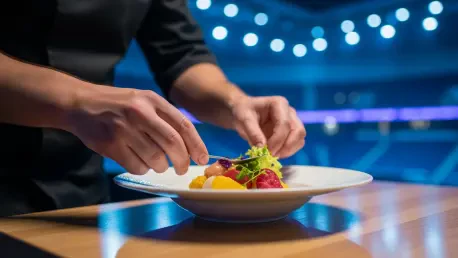
The effectiveness of these themed offerings lies in their ability to generate social media engagement and word-of-mouth marketing among the audience. When a fan buys a dish that directly references a song lyric or a famous tour moment, they are more likely to document that experience and share it with their digital community. This organic promotion benefits both the venue and the artist, creating a feedback loop of excitement that starts long before the music begins. The stadium has invested in high-quality ingredients and professional plating even at the concession level to ensure that these items live up to the hype of the main event. This shift highlights a broader trend in the live entertainment industry where the ancillary aspects of a concert are being leveraged to increase overall satisfaction and length of stay. By providing something exclusive and time-sensitive, the venue creates a sense of urgency and novelty that encourages guests to explore the various dining options available throughout the concourse areas.
Elevating the Stadium Environment and Social Experience
Luxury Amenities: High-Concept Dining and Lounges
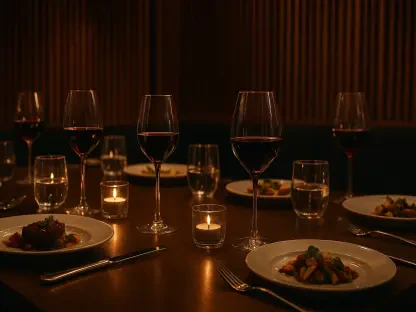
For those seeking a more refined atmosphere, the stadium has upgraded its premium spaces, including the American Express and Birkenstock Lounges. These areas move beyond standard concessions to offer high-concept dishes like matcha churro poutine, Korean dumplings, and Miami-style short ribs. These gourmet selections are crafted by top-tier chefs who aim to bring the sophistication of fine dining into the energetic environment of a major sports and entertainment complex. The inclusion of diverse international flavors reflects the multicultural nature of Toronto and the wide-ranging tastes of the modern audience. In the private suites, the service has become increasingly interactive and performative, featuring tableside preparation of s’mores and caviar trolleys. This shift toward experiential dining elevates a night at the stadium into a high-end event that rivals the best restaurants in the city. Guests in these premium tiers are participants in a luxury service model that emphasizes exclusivity and detail.
Interactive Social Hubs: Operational Excellence and Future Insights
The implementation of these artist-centric dining programs established a new benchmark for how large-scale venues integrated hospitality into the fan journey. By shifting the focus toward personalized experiences and high-quality storytelling, the organizers successfully turned a logistical necessity into a significant revenue driver and a point of competitive differentiation. Moving forward, venues must consider investing in modular kitchen technologies and data-driven menu planning to further refine these personalized offerings. Analyzing fan purchasing patterns and social media sentiment will provide the necessary insights to predict which themes and flavors will resonate most with specific audiences. As the line between the culinary and entertainment worlds continued to blur, the emphasis remained on creating a holistic environment that honored the artist’s craft while respecting the fan’s desire for a premium experience. This transition marked a permanent change in the industry, proving that a food strategy could enhance the emotional impact of live music.