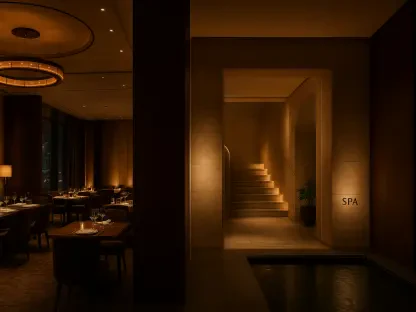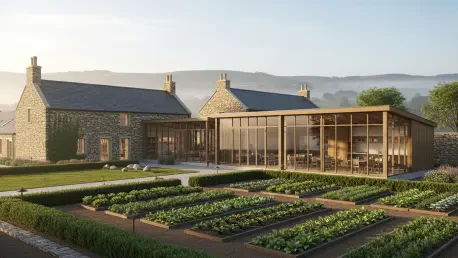

The historic landscape of St. Albans, Missouri, is currently serving as the backdrop for an ambitious culinary metamorphosis designed to elevate the region into a globally recognized destination for gourmands. This transformation is driven by a long-term strategic partnership between The Inns at St. Albans and Michelin-starred chef Christopher Anderson, whose new firm, Anderson Culinary Innovations (ACI), has assumed complete control over the estate’s food and beverage operations. By moving away from traditional hospitality models and embracing a chef-led approach, the property seeks to create an immersive experience that rivals the most prestigious retreats in the country. This effort is not just about refining the food; it is about establishing a rigorous standard of excellence that permeates every aspect of the guest journey, from the morning artisanal pastries to the sophisticated multi-course dinners served under the stars. The estate’s leadership recognizes that in the modern era, a destination is defined as much by its kitchen as by its scenery, and they are sparing no expense to ensure that St. Albans becomes a primary beacon on the American culinary map. This initiative encompasses a vast array of venues and experiences, signaling a new chapter for Missouri’s hospitality sector that prioritizes authenticity, precision, and a deep connection to the land.
The Evolution of Operational Autonomy: A Strategic Partnership
The structural foundation of this ambitious project rests on a unique agreement between the estate’s owner, Datra Herzog, and the CEO of Storie Co., Nathan Nichols, who have granted ACI unprecedented authority. Unlike typical consulting arrangements where a celebrity chef provides occasional oversight or menu suggestions, Anderson’s team has been given the keys to the entire operation, including staffing, procurement, and even the management of liquor licenses. This level of autonomy is essential for maintaining the consistency and precision required for a Michelin-standard experience, as it allows the culinary team to implement their vision without the bureaucratic hurdles often found in traditional resort management. By centralizing control under ACI, the estate ensures that every venue, whether it is a casual café or a high-end banquet hall, adheres to the same philosophy of quality and innovation. This operational shift represents a significant investment in the human capital of the kitchen, prioritizing talent and technique over conventional hospitality practices that often prioritize volume over artisanal quality.
Beyond the logistics of management, this partnership serves as a blueprint for how historic properties can reinvent themselves to meet the demands of a more discerning, modern clientele. The scope of ACI’s responsibility is remarkably broad, covering a variety of distinct locations across the sprawling St. Albans complex, including the quaint Head’s Store, the elegant Chateau, and the intimate guest cottages. This comprehensive approach means that every meal served on the property is subject to the same rigorous testing and refinement that one would expect in a top-tier urban restaurant. The goal is to create a seamless tapestry of flavors and service styles that feel both cohesive and locally grounded. As the partnership matures, the impact of this operational shift is expected to ripple through the local economy, creating new opportunities for suppliers and setting a new benchmark for excellence in the Midwestern hospitality industry. This model of radical culinary autonomy suggests that the future of luxury travel lies in the hands of specialists who can curate every detail of the sensory experience, turning a simple stay into a profound cultural journey.
Engineering an Elite Culinary Infrastructure: The Leadership Team
To translate a high-concept vision into daily reality, Chef Anderson has methodically assembled a leadership team comprised of seasoned professionals with backgrounds in some of the nation’s most demanding kitchens. A key figure in this early phase is Chef Hayden Jones, who brought his extensive experience from New Orleans’ acclaimed Restaurant R’evolution to lead the relaunch of the estate’s casual dining operations. Jones’ presence was instrumental in establishing the initial momentum for the project, providing the technical expertise needed to elevate simple breakfast and lunch fare into something truly memorable. By having a chef of this caliber on the ground from the outset, ACI was able to set a high bar for quality control and kitchen discipline. This strategy of placing elite talent in foundational roles ensures that even the most basic elements of the menu are executed with a level of care and precision that distinguishes the estate from its regional competitors. The transition from urban fine dining to a rural estate requires a specific mindset, and Jones has been pivotal in adapting high-pressure techniques to the unique tempo of St. Albans.
Complementing the front-line execution is Executive Sous Chef Jack Dennis, whose primary responsibility involves managing the logistical complexities of the estate’s high-volume events. St. Albans is a sought-after location for weddings and corporate retreats, and maintaining a fine-dining standard while serving hundreds of guests simultaneously requires a specialized set of skills. Dennis oversees the banquet and catering operations, ensuring that the same attention to detail found in a forty-seat dining room is replicated on a much larger scale. This dual focus on intimate dining and large-scale hospitality is what allows the property to function as a versatile destination. The synergy between these leaders creates a culture of mentorship and constant improvement within the kitchen staff, many of whom are being introduced to Michelin-level standards for the first time. By fostering this elite environment, Anderson is not just improving the food; he is building a sustainable professional ecosystem that can support the estate’s long-term ambitions for years to come. This infrastructure of talent is the engine that drives the property toward its goal of becoming a national culinary landmark.
Revitalizing Heritage: The Restoration of the Old Barn Inn
Central to the long-term strategy for St. Albans is the highly anticipated 2027 reopening of the historic Old Barn Inn, a venue that holds a storied place in the region’s culinary history. Decades ago, this site was home to Malmaison, a restaurant that set the standard for fine dining in Missouri, and its revival is seen as a symbolic homecoming for the estate’s gastronomic ambitions. Under Anderson’s direction, the Old Barn Inn will be transformed into the flagship venue for his personal culinary expression, offering a focused and intimate setting. The design and layout are being carefully curated to honor the building’s historic charm while integrating the modern kitchen technology necessary for contemporary haute cuisine. This project represents more than just a renovation; it is a meticulous effort to reclaim a piece of history and reposition it for a modern audience that values authenticity and narrative. The anticipation surrounding this reopening is a testament to the enduring legacy of the site and its potential to once again become a cornerstone of the regional dining scene.
Once operational, the Old Barn Inn will likely feature a dual-service model that caters to both adventurous diners and those seeking more traditional comforts. Anderson has outlined a vision that includes a sophisticated multi-course tasting menu, which will serve as a canvas for his most innovative and technically demanding dishes. Alongside this, a more approachable à la carte menu will offer high-quality versions of French country-inspired fare, creating a bridge between the site’s heritage and its new identity. With a limited seating capacity of approximately forty guests, the environment will be intentionally exclusive, allowing the service team to provide a level of personalized attention that is often lost in larger venues. This focus on intimacy and quality over volume is a key component of the Michelin philosophy, and it is expected to draw visitors from across the country. By blending the rustic atmosphere of the Missouri countryside with the refined techniques of French gastronomy, the Old Barn Inn is poised to become one of the most significant dining destinations in the Midwest, offering a unique fusion of history and innovation.
Establishing a Modern American Identity: Culture and Sourcing
The culinary philosophy driving the changes at St. Albans is rooted in a deep exploration of the cultural threads that have woven together to form the American kitchen. Anderson’s concept of the “seven nations” of American food looks specifically at the influences of Native American, French, Spanish, African, and other global cultures that have shaped the nation’s palate over centuries. This approach moves beyond simple fusion; it is about deconstructing traditional recipes and reimagining them through a modern lens, using contemporary techniques to highlight the intrinsic qualities of the ingredients. By grounding the menu in this historical and cultural context, the culinary team is able to tell a story that is both educational and deeply flavorful. This narrative-driven cooking provides guests with a sense of place and time, making each meal a reflective experience rather than just a moment of consumption. It is a sophisticated way of honoring the past while pushing the boundaries of what is possible in a modern professional kitchen, ensuring that every dish has a purpose and a history.
Supporting this cultural exploration is a rigorous commitment to sustainable sourcing and on-site agriculture, which creates a literal connection between the land and the table. The estate has initiated plans for extensive gardening and farming programs that will provide the kitchen with fresh produce, herbs, and even specialized livestock raised specifically for the property. This hyper-local approach ensures that ingredients are harvested at the peak of their flavor, reducing the carbon footprint of the operation while supporting the regional agricultural economy. Anderson believes that the true essence of Missouri’s terroir can only be captured through this direct involvement in the growing process. By controlling the supply chain from seed to plate, the culinary team can ensure the highest levels of quality and freshness, which are the hallmarks of world-class dining. This dedication to sustainability and provenance is not just a trend; it is a fundamental part of the brand’s identity, signaling a respect for the environment and a commitment to the health and well-being of the guests. This strategy ensures that the flavors of St. Albans are unique and cannot be replicated anywhere else.
Achieving National Stature: Benchmarking Success and Implementation
The ultimate goal for the transformation of St. Albans is to move beyond regional acclaim and achieve a status comparable to the most famous destination properties in the United States. Chef Anderson frequently cites Tennessee’s Blackberry Farm and California’s SingleThread as benchmarks for what he hopes to accomplish in Missouri. These properties are renowned for their ability to blend luxury lodging with high-concept, farm-driven gastronomy, creating a comprehensive experience that draws visitors from around the world. Anderson believes that the Missouri countryside, with its rich agricultural heritage and scenic beauty, provides the perfect foundation for this type of world-class retreat. By applying the same level of rigor and creativity found at those coastal landmarks, the team at St. Albans is working to prove that elite-level gastronomy is not confined to major metropolitan areas. This ambition is not just about personal accolades; it is about elevating the profile of the entire St. Louis region as a serious contender in the national hospitality market, attracting a new demographic of travelers.
As the project progressed, the focus remained on maintaining the momentum established during these early phases while continuing to innovate and refine the guest experience. The integration of Michelin-starred leadership, a dedicated local sourcing program, and the restoration of historic landmarks has already begun to reshape the identity of the property. For those looking to implement similar shifts in their own hospitality ventures, the St. Albans model suggests that success lies in a combination of radical operational autonomy and a deep respect for local heritage. Looking ahead, the focus must stay on the consistent delivery of high-quality service and the continuous development of the on-site agricultural programs to ensure a truly sustainable and unique offering. By investing in talent and infrastructure, the estate has laid the groundwork for a future where Missouri is recognized as a vital player in the global culinary conversation. The next steps will involve broadening the reach of these programs and ensuring that the high standards set today become the permanent foundation of the St. Albans legacy, fostering a culture of excellence that persists for generations.