
The ambitious consolidation of Alaska Air Group and Hawaiian Airlines has reached a critical juncture where the clinical precision of corporate logistics collides with the deeply rooted cultural legacy of island-based aviation. As the combined entity strives to cement its dominance across the U.S. West Coast, the operational integration has surfaced significant friction points that extend far beyond mere balance sheets or route maps. This period of transition is currently defined by a high-stakes balancing act: attempting to maintain the unique, localized charm of the Hawaiian brand while simultaneously enforcing the rigid standardization necessary to compete on a global scale. Industry observers are closely watching how the parent organization navigates these choppy waters, as the merger has become a primary case study in the difficulties of merging two distinct corporate philosophies. While the financial logic of the merger remains sound in the eyes of shareholders, the soft assets—brand loyalty, employee morale, and cultural authenticity—are proving much harder to quantify and harmonize. The friction is particularly evident in the way legacy branding is being treated, with many questioning if a homogenized identity will eventually erode the very value that made the acquisition attractive in the first place. This evolving situation serves as a stark reminder that in the high-pressure world of modern aviation, the human and cultural elements of a brand are often the most volatile variables in any integration strategy.
Strategic Expansion: Transforming the Seattle-Tacoma Hub
A cornerstone of this integration is the aggressive transformation of Seattle-Tacoma International Airport into a premier long-haul gateway that connects North America to the most lucrative markets in Asia and Europe. By leveraging the combined resources of both airlines, Alaska Air Group is positioning itself as a formidable competitor against traditional international legacy carriers that have long dominated transpacific and transatlantic corridors. The strategic pivot focuses on high-value routes to destinations such as Tokyo, Seoul, and London, utilizing Seattle’s geographic advantage to shave significant flight time off existing connections. This expansion is not merely about adding routes; it represents a fundamental shift in the company’s identity from a regional powerhouse to a global contender. To facilitate this, the organization has begun utilizing the Boeing 787-9 Dreamliner as its primary vessel for global growth, capitalizing on the aircraft’s fuel efficiency and long-range capabilities to open new revenue streams that were previously out of reach for a carrier primarily focused on the Pacific Northwest.
To support this ambitious expansion, the company has undertaken a massive logistical effort to relocate approximately 250 experienced Hawaiian Airlines flight attendants to the Seattle hub. These veteran crew members, many of whom have spent decades serving the unique needs of island travelers, are now tasked with spearheading Alaska’s global operations on the Dreamliner fleet. This relocation represents a significant professional and personal shift for the affected employees, as they transition from a culture defined by the “Aloha Spirit” to one that prioritizes the rigorous demands of ultra-long-haul international service. The move is designed to ensure that the high service standards associated with the Hawaiian brand are infused into the new international network, but it also creates a complex dynamic within the workforce. These crew members must now adapt to a different climate, a new operational base, and a professional environment that is increasingly focused on corporate efficiency rather than the traditional, relaxed hospitality that has been their hallmark for years.
Aesthetic Standards: The Conflict Between Culture and Corporate Uniformity
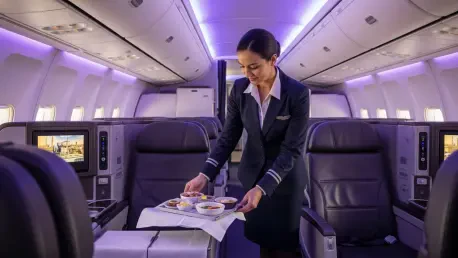
The most contentious point of the merger involves the strict new appearance standards that clash with the long-standing traditions of the Hawaiian Airlines brand. For generations, flight attendants from the islands have been recognized by their traditional floral prints, leis, and aloha shirts, which served as a living embodiment of the Hawaiian culture. However, new policies now require these crew members to adopt Alaska’s standardized corporate uniforms on international flights that do not originate or terminate in the Hawaiian Islands. This decision is driven by a desire to provide a consistent and premium image to business travelers and international commuters who may not have a personal or cultural connection to the Hawaiian brand. Management argues that a uniform corporate appearance is essential for building a cohesive global brand identity, yet this mandate has created a fractured sense of identity among the staff who feel their heritage is being minimized for the sake of corporate aesthetics.
This policy has forced a strange dual existence for the flight crew, who must essentially toggle between two different personas depending on their specific flight path for the day. While traditional island attire is still permitted on routes serving Hawaii to avoid a local backlash and maintain a sense of continuity for leisure travelers, the requirement to switch to corporate uniforms for other international routes has led to significant internal resentment. Staff members have expressed that the forced homogenization of their appearance strips away the cultural authenticity that was a core component of their value proposition as an airline. They argue that the “Aloha Spirit” is not something that can be turned on and off like a light switch based on the destination listed on a flight manifest. This cultural friction highlights a broader challenge in modern aviation: the struggle to maintain a unique, localized identity while operating within a globalized industry that increasingly favors uniformity and predictable, standardized service models.
Operational Realities: Addressing Scheduling Complexity and Workforce Strain
Beyond the cultural and aesthetic concerns, the implementation of a dual-uniform policy has introduced significant logistical bottlenecks that threaten to undermine operational efficiency. Managing two distinct sets of appearance standards based on specific flight assignments adds a layer of complexity to crew scheduling that is rarely seen in the industry. In an environment where every minute of delay can result in thousands of dollars in lost revenue, the need to meticulously track which uniforms are required for various theater-based operations increases the administrative burden on managers. This complexity also extends to the flight attendants themselves, who must maintain and transport multiple sets of uniforms and accessories, adding another layer of stress to an already demanding job. Analysts suggest that these types of operational hurdles, while seemingly minor, can aggregate into larger systemic issues if not handled with extreme care and coordination.
The relocation of island-based staff to the Pacific Northwest also brings about professional and personal strain that could have long-term consequences for crew performance. The shift from regional or mid-range flying to ultra-long-haul international routes requires vastly different service protocols and carries a significantly higher risk of crew fatigue. Working 12-hour flights to London or Tokyo is a far cry from the shorter hops between the islands or to the U.S. West Coast. The physical toll of crossing multiple time zones, combined with the emotional strain of being relocated far from home, has led to a noticeable dip in morale among some segments of the workforce. Industry experts warn that these morale issues are often the precursors to broader operational disruptions, such as increased sick leave usage, higher turnover rates, and potential friction during peak travel seasons when the system is already under maximum stress. The success of the merger will likely depend on how well the company can manage these human factors during the ongoing integration process.
Market Positioning: Protecting Brand Equity in a Homogenized Landscape
There is a substantial risk that the push for corporate homogenization will alienate a large segment of loyal passengers who book Hawaiian Airlines specifically for its unique cultural experience. By prioritizing a standardized corporate environment on the lucrative international Dreamliner routes, Alaska Air Group may inadvertently create a perception of a “bait and switch” among its most dedicated customers. These travelers often view the flight as the beginning of their vacation, and the cultural elements of the Hawaiian brand are a significant part of that value. If the airline loses its unique island-inspired atmosphere in favor of a generic premium service, it may find itself struggling to compete with other global carriers that offer similar levels of service but perhaps at a lower price point or with more established international loyalty programs. The gamble lies in whether the gains in corporate efficiency and brand consistency will outweigh the potential loss of a loyal, leisure-focused customer base.
The Alaska-Hawaiian integration reflects a broader industry trend toward consolidation, but it also serves as a critical warning regarding the importance of “soft” assets in the aviation sector. Historically, airline mergers that have ignored employee morale and local identity in favor of rapid standardization have faced long-term instability and a decline in service quality. As Alaska Air Group pursues its goal of market dominance on the West Coast and beyond, the ultimate success of the merger will be measured by its ability to resolve these internal cultural disputes. Finding a way to honor Hawaiian’s heritage while pursuing ambitious global objectives is a delicate task that requires more than just logistical expertise; it requires a deep understanding of the human element that makes an airline brand truly unique. The current friction is a clear indicator that the path to a fully integrated and successful global carrier is paved with complex cultural and psychological challenges that cannot be ignored.
Future Resolutions: Bridging the Cultural Divide Through Empathetic Integration
The management team eventually recognized that the rigid enforcement of corporate standards was yielding diminishing returns in terms of both employee engagement and brand perception. They shifted their strategy to incorporate a more flexible branding model that allowed for cultural expression even on non-traditional routes, acknowledging that the “Aloha Spirit” was a marketable asset rather than a logistical hurdle. By introducing hybrid uniform options and incorporating Hawaiian cultural elements into the in-flight entertainment and dining options across the entire global network, the organization successfully bridged the gap between its two identities. This approach not only mollified the concerns of the veteran flight crew but also enhanced the travel experience for international passengers who found the unique cultural touchpoints to be a refreshing departure from the industry’s standard offerings. The decision to embrace diversity rather than enforce uniformity ultimately strengthened the combined brand’s position in the highly competitive international market.
This transition proved that the long-term viability of high-profile mergers depended heavily on the preservation of the acquired brand’s core values. The leadership team implemented a series of workforce wellness programs specifically tailored for relocated staff, which significantly reduced the rates of burnout and turnover during the expansion of the Seattle hub. By actively listening to the concerns of the crew and making tangible adjustments to scheduling and appearance policies, the company fostered a sense of mutual respect that had been missing in the early stages of the integration. This proactive stance allowed the airline to maintain high service standards while successfully scaling its operations to reach new global destinations. The lessons learned during this period provided a new blueprint for aviation mergers, emphasizing that operational synergy must be balanced with cultural preservation to achieve true success. The company emerged from this period not as two separate entities forced together, but as a single, multi-faceted organization that leveraged its diverse heritage to capture a larger share of the global travel market.