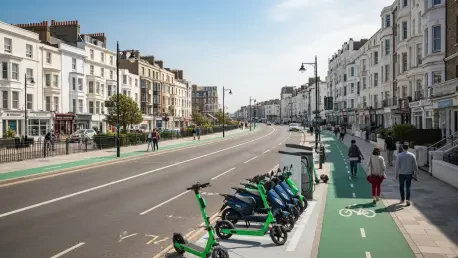

The persistent gridlock defining modern coastal cities has prompted Brighton and Hove to launch a sophisticated e-scooter hire trial as a cornerstone of its updated transport strategy. This initiative, led by Councillor Trevor Muten, marks a decisive shift away from fragmented transit options toward a cohesive, multi-modal system. By integrating these electric vehicles with existing cycling paths and pedestrian walkways, the city is not merely testing a new gadget but is fundamentally rethinking how people navigate narrow historic streets and sprawling suburbs. The primary objective is to eliminate the inefficiencies of short-distance car trips that contribute to congestion and environmental degradation. This trial represents a major step forward in creating a modern, sustainable alternative that bridges the gap between various public transport hubs. As the city adapts to changing mobility needs, this pilot serves as a vital component in a broader effort to reduce the reliance on private vehicles while promoting a cleaner, more fluid urban environment for all residents.
Urban Mobility Expansion: Bridging the Connectivity Gap
Strategically positioned hubs at key locations such as railway stations and the iconic seafront ensure that the e-scooter network functions as a reliable extension of the existing rail and bus infrastructure. This setup specifically targets the “last mile” problem, providing a quick and efficient way for commuters to reach their final destinations without resorting to ride-sharing services or personal cars. By making the transition between different modes of transport seamless, the council aims to foster a more connected city where distance is no longer a barrier to employment or leisure. This improved accessibility is expected to revitalize local businesses as foot traffic increases in areas previously considered difficult to reach via traditional public transit. Moreover, the trial encourages a shift in mindset, demonstrating that urban travel can be both flexible and environmentally responsible. The focus remains on creating a system that is as intuitive for a first-time tourist as it is for a lifelong resident navigating their daily work commute through the bustling city center.
Social Equity Initiatives: Enhancing Transit Access for All
Inclusivity sits at the heart of this mobility project, with specific provisions designed to ensure that financial status does not become a barrier to modern transportation. The council has implemented a program offering free minute bundles to jobseekers and those receiving Universal Credit, recognizing that affordable transport is a critical driver of social mobility. Beyond economic benefits, the e-scooter trial promotes community well-being by encouraging what is often termed “active travel.” While the scooters are motorized, the act of navigating urban terrain requires physical engagement, coordination, and balance, offering a more stimulating experience than sitting in a car. For a city characterized by its challenging, hilly topography, these devices provide a necessary boost that makes active commuting a viable option for a wider range of people. By lowering the physical and financial entry points to green transit, Brighton and Hove are fostering a healthier environment for all. This ensures that the transition to sustainable energy benefits the entire community.
Regulatory Safety Standards: Ensuring Orderly Public Spaces
To maintain public order and ensure the safety of all road users, the trial operates under a stringent regulatory framework that sets clear boundaries for operation. Participants must be at least 18 years of age and possess at least a provisional driving license, ensuring that riders have a foundational understanding of traffic laws and safety protocols. Furthermore, the scooters are mechanically capped at a speed of 12.5 miles per hour, a measure specifically chosen to harmonize the flow of traffic between motorized vehicles, cyclists, and pedestrians. Sophisticated GPS geofencing technology is also employed to enforce “no-go” zones in sensitive areas such as pedestrianized plazas or narrow alleyways where e-scooter traffic would be inappropriate. Integrated lighting and prominent registration plates further enhance accountability, allowing for easy identification of riders who disregard the established rules. This controlled environment stands in stark contrast to the unregulated use of private e-scooters on public roads.
Program Monitoring Strategies: Analyzing Real-Time Usage Data
The success of this urban experiment relies heavily on a robust, data-driven evaluation process that monitors every aspect of the trial in real time. Council officials are tasked with analyzing vast amounts of data, ranging from peak usage times and popular routes to safety incident reports and community feedback surveys. This analytical approach allows for rapid adjustments to the program, such as relocating hubs to higher-demand areas or refining geofenced boundaries based on actual traffic patterns. By prioritizing transparency and evidence-based decision-making, the city can address concerns regarding sidewalk clutter or reckless riding before they become systemic issues. This ongoing monitoring ensures that the program remains aligned with the city’s broader environmental goals, such as carbon neutrality and improved air quality. The trial serves as a living laboratory for urban planning, providing insights that will eventually inform permanent infrastructure investments that prioritize the safety and comfort of all residents.
Integrated Transit Systems: Actionable Steps for Future Growth
The initial phases of the Brighton and Hove e-scooter trial demonstrated how a well-regulated micro-mobility scheme could effectively reduce urban congestion and carbon footprints. City planners focused on the integration of data-sharing agreements with transport providers to ensure that the e-scooter network functioned as a truly complementary service. This period of transition highlighted the necessity of investing in dedicated parking infrastructure to prevent sidewalk obstructions and maintain a high standard of accessibility for people with disabilities. Moving forward, the focus shifted toward expanding the charging network and upgrading bike lanes to accommodate a variety of light electric vehicles. Officials recommended that future urban planning efforts should prioritize the permanent installation of protected corridors that separate micro-mobility from heavy traffic. The lessons learned from this trial provided a clear roadmap for other municipalities seeking to modernize their transit systems through effective public-private partnerships.