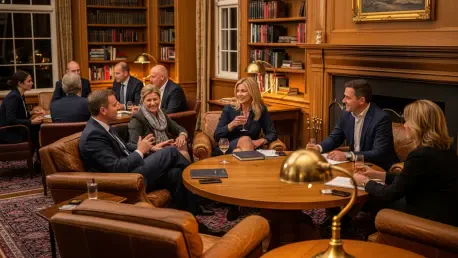

Establishing a legacy of patron devotion that spans four continuous decades requires more than just high-quality linens and a standard breakfast buffet; it demands the intentional cultivation of a shared history between the architecture and the people who inhabit it. This phenomenon is vividly demonstrated by a group of university alumni who have made a single Scottish hotel their annual sanctuary since the early eighties. The narrative of this decades-long residency provides a masterclass in how hospitality brands can transcend their commercial origins to become essential chapters in the lives of their guests.
The group, originally consisting of medical and dental graduates, represents a rare level of commitment in an increasingly transient travel market. By returning to the same location for over forty years, these individuals have effectively transformed a commercial property into a repository for their collective memories. This level of loyalty suggests that the physical space of a hotel can function as an anchor for personal identity, especially when the staff and environment provide a consistent backdrop for significant life milestones.
The Forty-Two-Year Check-In: When Guests Become Part of the Property’s DNA
In 1982, a small circle of medical and dental graduates from Dundee University sought a central location to preserve their friendships despite the geographic shifts of their careers. The initial choice of Peebles Hydro was rooted in logistical convenience for friends scattered across the United Kingdom, yet it quickly evolved into something far more profound than a simple meeting point. As the group returned year after year, the hotel transformed from a service provider into a silent witness to their life milestones and professional growth.
The original founding members, including the Young, Goudie, Mackenzie, and Macpherson families, established a routine that defied the typical transience of the hospitality industry. This level of dedication turned the hotel staff into familiar faces and the guest rooms into home-like environments. Over time, the boundaries between the guests and the property blurred, with the hotel essentially adopting the history of the group as part of its own cultural heritage and institutional memory.
Why Emotional Connection Is the New Currency in the Hospitality Industry
The shifting priorities of the modern traveler suggest that emotional resonance has replaced mere convenience as the most valuable asset in the hospitality sector. While digital check-ins and automated services offer efficiency, they often lack the warmth that fosters a lifelong commitment to a brand. True loyalty emerges when a property anticipates the psychological needs of its patrons, offering a sense of stability in an ever-changing world. This shift toward experiential value forces hotels to rethink their engagement strategies.
Industry data often points to a rise in boutique experiences, but the underlying driver remains the human desire for recognition. When a hotel recognizes a guest’s history, it validates their personal journey, creating a psychological bond that is difficult for competitors to break regardless of price or location. This trend is mirrored in the global growth of collections that prioritize authentic, personal guest experiences over standardized corporate models, emphasizing that the future of the industry lies in the depth of the human connection.
From Graduation to Grandchildren: The Unfolding Legacy at Peebles Hydro
Transitioning from a university reunion to a massive family gathering illustrates the compounding power of generational influence. The daughters of the original attendees now lead their own families through the same doors, passing down the stories of their youth to a third generation. This continuity creates a unique marketing advantage where the brand is naturally inherited rather than sold. The children perceive the property as a landscape of adventure, while the adults view it as a vessel for nostalgia.
The presence of up to thirty people in the current group highlights how the tradition has scaled without losing its intimate feel. By catering to the needs of different age groups simultaneously, the hotel has managed to capture the attention of younger travelers who might otherwise prefer more modern, tech-centric accommodations. This multi-generational appeal ensures that the hotel remains relevant across various life stages, securing its occupancy for years to come through family tradition.
Preserving the Ritual Amidst Modernization: Insights from the Front Lines
Adapting to the expectations of a new era often creates tension between innovation and heritage, yet successful properties manage this through strategic preservation. Peebles Hydro recently converted a legacy swimming pool area into the Gin 1888 distillery, signaling a commitment to current trends and local craftsmanship. Despite these physical changes, the management understands that specific “anchor points,” like the Friday night toast at a particular curved bar table, must remain inviolable to maintain the group’s sense of continuity.
Hotel managers have demonstrated that long-term relationships are the pinnacle of the hospitality profession. They have maintained the welcoming atmosphere that initially drew the group in while ensuring the property remained a competitive destination in the broader market. This balance allowed the group to feel at home even as the world outside the hotel walls changed completely. It underscores the importance of staff continuity and the preservation of specific communal spaces that facilitate group rituals.
The Loyalty Blueprint: Practical Strategies for Building Generational Communities
The path toward building such deep-rooted loyalty required a shift in focus from short-term metrics to the long-term cultivation of community spaces. Management teams that succeeded in this endeavor treated their long-term patrons as members of a living archive, ensuring that every renovation and staff change respected established group rituals. This approach provided a roadmap for other venues to remain relevant by integrating themselves into the personal traditions of their clients rather than just offering a place to sleep.
Future success in the hospitality sector depended on the ability to create “third places” where communal identity was prioritized alongside individual service. Strategic investments in staff training emphasized the importance of storytelling and personal recognition, which turned routine stays into meaningful events. Ultimately, these strategies ensured that the property functioned as a reliable constant for families navigating the complexities of modern life. By fostering an environment where traditions could flourish, the industry moved toward a model where guest loyalty became a permanent legacy.