
Arriving at Noi Bai International Airport today demands a level of preparation that reflects Vietnam’s rapid ascent as a global travel destination and a key economic powerhouse in Southeast Asia. As the primary gateway to the northern region, this facility has undergone significant operational shifts to accommodate the surging volume of both domestic and international visitors. While the physical footprint of the airport remains divided between two distinct terminals, the integration of smart technology and improved transit protocols has streamlined the way travelers interact with the space. Navigating this hub effectively requires more than just a quick glance at a map; it necessitates an understanding of the specific functions of each terminal and the temporal challenges posed by the distance between them. Whether one is touching down for a business summit in the Old Quarter or embarking on a domestic flight to the coastal reaches of Da Nang, mastering the layout and logic of this aviation center is the critical first step in a successful journey.
Bridging the Gap: Efficient Inter-Terminal Transit
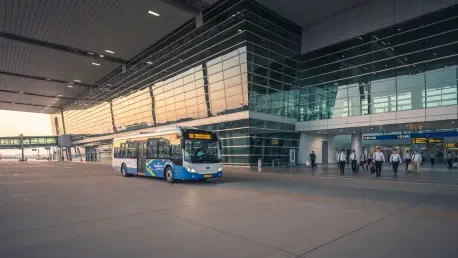
The physical separation between Terminal 1 and Terminal 2 represents the primary logistical hurdle for passengers arriving at Noi Bai, as the buildings are nearly a kilometer apart. To mitigate the inconvenience of this distance, the airport authority maintains a robust and complimentary electric shuttle bus service that operates on a continuous loop throughout the day. These buses are easily identifiable and typically arrive at their designated pickup points every fifteen to twenty minutes, ensuring that the transition between domestic and international flights is as seamless as possible. However, seasoned travelers understand that relying on the minimum transit time can be a gamble during peak operational hours when the volume of passengers increases significantly. It is always advisable to factor in the potential for a full shuttle or slight delays when managing tight connections, as missing a flight due to terminal transit is a preventable error that can derail an entire itinerary through Northern Vietnam.
Upon entering either of the two primary terminal buildings, travelers are met with a highly organized environment where each wing functions as a fully independent operational unit. Terminal 1 remains the cornerstone for domestic travel, while Terminal 2 provides a more modern atmosphere dedicated entirely to international departures and arrivals. This clear division means that all necessary services, from baggage claim to currency exchange and information kiosks, are mirrored in both locations to avoid unnecessary cross-terminal traffic. Clear, bilingual signage in Vietnamese and English guides visitors toward the ground transportation zones, which are situated immediately outside the arrivals hall. For those unfamiliar with the airport’s specific layout, the presence of digital information boards and staffed help desks ensures that assistance is always within reach. These desks are particularly useful for confirming current shuttle schedules or locating specific amenities that may be tucked away in the sprawling wings of the international terminal area.
Enhancing Comfort: Premium Amenities and Essential Services
For the modern traveler who finds themselves with an extended layover or a late-night arrival, the airport offers specialized facilities designed to provide a respite from the typical terminal hustle. The VATC sleep pods, located on the upper floors of both terminals, have become a staple for those seeking a private and quiet space to rest without the need to clear immigration or commute to a city hotel. These compact yet comfortable units are equipped with basic essentials and offer a high degree of privacy for a few hours of sleep or focused work. In addition to these rest areas, the ACV Business Lounge in Terminal 2 remains a premier destination for international passengers who prioritize comfort and productivity. Offering a wide range of premium seating options, high-quality refreshments, and a serene environment away from the general boarding gates, the lounge caters to the specific needs of business professionals and long-haul travelers alike. Access can be secured for a flat fee, providing an elevated experience for anyone looking to maximize their time.
Beyond these high-end offerings, Noi Bai is well-equipped with practical utilities that address the everyday requirements of a diverse passenger base in the current travel environment. High-speed Wi-Fi is available throughout both terminals, supported by numerous mobile charging stations that ensure travelers stay connected and their devices remain powered for the journey ahead. Families traveling with young children will find dedicated baby care rooms and play areas that provide a much-needed break from the constraints of airport seating. Furthermore, for individuals carrying heavy gear or those who wish to explore the airport unencumbered, the luggage storage and locker facilities in the East Wing of Terminal 2 offer a secure and convenient solution. Free drinking water stations are strategically placed near most gates, promoting sustainability and ensuring that hydration is easily accessible for everyone. These standard amenities reflect a broader commitment to passenger satisfaction, making the wait for a flight or a city-bound bus significantly more comfortable.
The Digital Threshold: Mandatory Entry and Documentation Protocols
A critical component of the entry process today involves the mandatory Digital Arrival Card, a digital declaration that must be completed by every traveler before they land on Vietnamese soil. This requirement is strictly enforced by immigration authorities and must be submitted through the official government portal within seventy-two hours of a scheduled arrival. It is important for all incoming passengers to distinguish between this mandatory health and security declaration and the standard visa requirements, as the digital card does not replace an e-visa or a visa exemption. Failing to present the confirmation of this digital submission can lead to significant delays at the border, as immigration officers prioritize those who have their documentation ready in the pre-cleared lanes. The move toward a paperless entry system has noticeably expedited the processing times for those who are prepared, but it places a higher level of responsibility on the traveler to ensure all information is accurate and submitted well before the wheels touch the tarmac in Hanoi.
To avoid the pitfalls of administrative errors or potential scams, travelers are consistently encouraged to use the official government e-visa portal for all documentation needs rather than third-party agents. This direct approach ensures that the visa is linked correctly to the traveler’s passport and minimizes the risk of encountering invalid documents at the gate. Once the immigration and customs processes are finalized, the transition to local life begins with securing a stable data connection, which is essential for navigating the city and using ride-hailing apps. Within the arrivals hall of Terminal 2, numerous kiosks offer a variety of local SIM cards and eSIM options tailored specifically for tourists. These vendors provide immediate activation services, allowing travelers to walk out of the airport with a functioning mobile number and high-speed data. Having this connectivity is not merely a convenience; it is a vital tool for managing the commute to central Hanoi and ensuring that one can communicate with accommodation hosts or transport providers in real time.
Navigating the Commute: Strategic Transportation to the Urban Core
The journey from the Soc Son district, where the airport is located, to the historic heart of Hanoi spans approximately thirty kilometers and relies heavily on the Nhat Tan Bridge as the main artery. While the road infrastructure is modern and well-maintained, the sheer volume of traffic in the capital city remains a significant variable that can drastically impact travel times. Under ideal conditions, a car or bus ride to the city center takes roughly forty-five minutes, but this can easily double during the morning and evening rush hours when local commuters flood the bridges and main roads. Travelers must remain cognizant of these temporal shifts when planning their departures from the city or their arrivals at local hotels, as the congestion can be unpredictable. Managing expectations regarding the commute is essential for a stress-free start to any visit, especially for those with scheduled meetings or tour departures shortly after landing. The bridge itself offers a scenic introduction to the city, providing expansive views of the Red River as one approaches the urban sprawl.
When it comes to selecting a mode of transportation, travelers have several distinct options that cater to different budgets and levels of comfort. The public Bus 86 remains a highly popular choice for budget-conscious individuals, offering a direct route to the Old Quarter for a fraction of the cost of a taxi. However, it is important to note that these buses often lack dedicated luggage space, making them less ideal for those traveling with multiple large suitcases. For most visitors, ride-hailing services like Grab provide the optimal balance of convenience and transparent pricing, as the app-based rates eliminate the need for negotiation and ensure a fixed price for the trip. Traditional taxis are also readily available at the official airport ranks, though it is standard practice to either confirm the meter is active or purchase a pre-paid voucher from one of the official transport desks inside the arrivals hall. Regardless of the chosen method, using established and recognized transport providers is the safest way to ensure a reliable trip to the city center.
Future-Proofing the Journey: Actionable Steps for Seamless Travel
Navigating the complexities of Noi Bai International Airport was a task that rewarded proactive planning and a clear understanding of the evolving digital landscape in Vietnam. Travelers who prioritized the early submission of the Digital Arrival Card and utilized official government portals for their e-visas found that the transition through immigration was significantly faster than in previous years. Furthermore, those who strategically timed their commute to avoid peak traffic hours on the Nhat Tan Bridge were able to maximize their time exploring the cultural riches of Hanoi. As the airport continues to expand its capacity and integrate even more sophisticated passenger services, staying informed about terminal-specific logistics remained the most effective way to ensure a smooth journey. Looking forward, it is recommended that travelers continue to download local transportation apps before landing and maintain digital copies of all essential entry documents on their devices. These simple steps, combined with a familiarity with the terminal shuttle system, ensured that the airport served as a bridge.
In the context of regional development, the airport functioned as a vital node that balanced increasing passenger volumes with the need for security and speed. The integration of biometric systems and advanced screening technologies further enhanced the operational flow, although the human element of navigation remained central to the traveler’s experience. To ensure continued success in navigating this gateway, visitors were advised to keep their digital devices fully charged and remain flexible with their city transit plans, particularly when accounting for the dynamic nature of Hanoi’s urban growth. By treating the arrival process as an integral part of the travel experience rather than a hurdle to be cleared, passengers were able to appreciate the meticulous design of the terminals and the efficiency of the local service providers. Ultimately, the ability to maneuver through this international hub with confidence was the result of combining modern digital tools with a traditional focus on meticulous trip preparation and local awareness.