
In the high-stakes world of hospitality management, success is defined by the seamless blend of operational excellence and genuine human connection. Katarina Railko, a seasoned expert with a deep background in travel, tourism, and large-scale event production, understands that leadership in this sector requires more than just meeting financial targets. Her expertise in navigating the complexities of expos and conferences gives her a unique perspective on how major management firms align their global strategies with local execution. By examining the core philosophies that drive modern hospitality, Katarina provides a roadmap for building resilient teams and fostering a culture of purpose-driven service.
The conversation explores how core values like agility and inclusion transform from abstract concepts into daily operational habits. We delve into the mechanics of large-scale leadership summits, the development of future general managers through structured internal programs, and the profound impact of community-focused philanthropy on employee morale. Katarina also shares her perspective on the evolution of trust-based leadership and the necessity of maintaining a “human edge” in an increasingly digital industry.
The SPIRIT values—Service, Perseverance, Inclusion, Respect, Innovation, and Teamwork—are central to a modern hospitality leadership model. How do these principles specifically drive operational agility, and what practical steps ensure leaders maintain a “people-first” approach when balancing performance targets with team culture?
These values serve as a behavioral compass that allows leaders to pivot quickly when guest needs or market conditions shift. For example, by prioritizing Innovation and Teamwork, a general manager can empower their staff to solve problems on the fly without waiting for corporate approval, which is the very definition of operational agility. To maintain a “people-first” approach, leaders must integrate these values into their daily huddles and performance reviews, ensuring that how a goal is reached is just as important as the goal itself. When a team sees that Respect and Inclusion are non-negotiable, they develop a sense of psychological safety that actually drives them to exceed their performance targets because they feel valued as individuals.
Convening hundreds of leaders from sales, finance, and operations is a massive undertaking for organizational alignment. What specific methods are used to review year-over-year performance, and how do you ensure that property-level general managers and corporate executives stay unified on strategic goals?
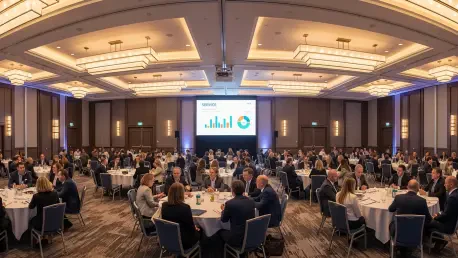
The primary method for alignment is the annual leadership conference, which recently brought together nearly 400 professionals to bridge the gap between corporate vision and on-site execution. During these sessions, executives review the 2025 performance metrics across the portfolio, using data-driven presentations to highlight successes in guest satisfaction and operational excellence. By physically gathering general managers, finance directors, and HR leaders in one space, the organization facilitates a transparent dialogue about the strategic goals for the upcoming year. This face-to-face interaction ensures that everyone, from the corporate office in Georgia to the individual hotels, is moving in the same direction with a unified focus on the company’s leadership model.
Focusing on “The Human Edge” involves building trust and strengthening team connections in a rapidly evolving workplace. What specific components of internal management development programs help prepare associates for general manager roles, and how is the success of these leadership transitions measured over time?
The AtriumRISE General Manager Development Program is a cornerstone of this effort, providing a structured pathway for high-potential associates to transition into executive roles. This program emphasizes “The Human Edge” by teaching leaders how to build trust and improve team performance through meaningful communication and accountability. Success is measured not only by the graduation of these associates but also by their subsequent performance in areas like guest satisfaction scores and internal team retention once they take the helm of a property. By recognizing these graduates publicly at major events, the company reinforces the idea that internal growth is a tangible and celebrated career path within the organization.
Service initiatives, such as assembling 1,000 backpacks for local children or establishing university scholarships, are often integrated into corporate leadership events. How do these community partnerships influence associate morale, and what criteria ensure that these philanthropic efforts remain aligned with the organization’s core values?
Engaging in hands-on service, like the “School Supply Stampede” where volunteers assembled 1,000 backpacks for the Samaritan Community Center, creates a profound sense of shared purpose that transcends daily job descriptions. These initiatives boost morale by allowing associates to see the direct impact of their teamwork on the local community, fostering a deeper emotional connection to their employer. To ensure alignment with core values, the organization selects partnerships that mirror its focus on Service and Perseverance, such as the new scholarship program for hospitality students. By requiring scholarship applicants to submit videos explaining their career goals and value alignment, the company ensures that its philanthropic investments are nurturing the next generation of leaders who share their specific vision.
What is your forecast for the future of leadership development within the hospitality industry?
I believe the future of leadership development will be defined by a shift toward “soft skill” mastery as the primary driver of hard financial results. While digital tools will continue to streamline operations, the leaders who thrive will be those who can cultivate high-trust environments and maintain “The Human Edge” amidst technological shifts. We will likely see more hospitality firms adopting multi-day, immersive summits that blend performance analytics with community service to create a more holistic leadership identity. Ultimately, the industry will move toward a model where agility and empathy are seen as the most critical metrics for a general manager’s success.