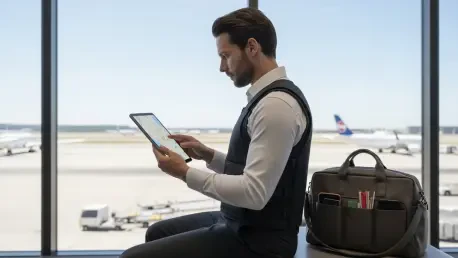

Katarina Railko brings a wealth of experience from the front lines of the global hospitality and events sectors, where she has spent years refining the art of visitor protection and risk management. Having navigated the complexities of large-scale international expos and high-traffic tourism hubs, she understands that modern travel in 2026 is no longer just about the destination but about the meticulous choreography of personal safety. In this discussion, we explore the shifting landscape of global tourism, where awareness is as vital as a passport and preparation defines the quality of the journey. We delve into the mechanics of street-level organized crime, the hidden vulnerabilities within the short-term rental market, and how financial scams are becoming increasingly sophisticated. Katarina also sheds light on how the industry is pivoting toward proactive risk prevention, transforming the way we perceive and prepare for international travel through the use of technology and official alert systems.
How do organized criminal groups typically coordinate their movements in busy transit hubs, and what specific behaviors or visual cues make a traveler look like an easy target in a crowded landmark?
In high-traffic zones like busy markets and transport hubs, organized criminal groups often operate with a level of coordination that mirrors a professional team performing a rehearsed routine. The sensory overload of a foreign market—the shouting vendors, the rich smells of street food, and the vibrant colors—is exactly what these criminals use as a backdrop for their activities. One individual might create a sudden commotion, perhaps by dropping items or spilling a liquid on a traveler, while their accomplices identify those who stop and focus entirely on the spectacle. These groups look for specific visual cues, such as individuals who are heavily reliant on their smartphones for navigation or those displaying expensive electronics and jewelry in plain sight. By appearing preoccupied or visibly unfamiliar with the local surroundings, a tourist signals that their situational awareness is low, making them a prime candidate for a quick, opportunistic theft. The key is to blend in as much as possible, maintain a rhythmic, purposeful pace when moving through these crowded landmark areas, and keep belongings in a front-facing, zipped bag to change the visual profile you project to observers.
Short-term rentals and online booking platforms face increasing security vulnerabilities and fraudulent listings. What physical security features should travelers prioritize when vetting a rental property, and how can they verify the legitimacy of a digital booking platform before committing funds?
As we see more travelers opting for short-term rentals in 2026, the physical security of these properties has become a paramount concern that requires a critical eye before any booking is finalized. You should prioritize listings that explicitly mention controlled access points, high-quality surveillance systems, and secure locking mechanisms for both doors and windows. Security is no longer a luxury; it is a fundamental requirement that travelers are now researching with the same intensity as they would the view from a balcony or the proximity to downtown. Digital scams are becoming harder to spot, often using high-resolution imagery and sophisticated language to lure in unsuspecting vacationers through fake websites or misleading advertisements. To verify legitimacy, it is essential to look for verified reviews and cross-reference the property across multiple reputable sites to ensure the advertisements aren’t being spoofed. If the platform asks you to step outside their official communication channels to discuss payment or personal details, you should immediately terminate the transaction and report the listing to the official authorities. Using the internal payment systems of well-known platforms rather than wire transfers is the best way to protect your funds from being lost to a fraudulent entity.
Financial scams, including fake taxi services and ATM-related fraud, often lead to significant travel disruptions. What red flags should visitors look for at banking locations, and what are the most effective ways to manage cash and digital documents to minimize the impact of a potential theft?
Financial scams can turn a dream holiday into a logistical nightmare within minutes, and the psychological toll often outweighs the monetary loss by shattering a traveler’s sense of security. When visiting banking locations, the most critical red flag is a machine that looks physically altered or is located in a dark, unmonitored area; you should always seek out ATMs inside secure, well-lit bank branches where surveillance is constant. Always be wary of “helpful” strangers who loiter near bank machines, as they may be trying to observe your PIN or utilize skimming devices to capture your card data while you are distracted. To manage the impact of potential theft, travelers are now encouraged to carry only the cash they need for the day and keep digital copies of their passports and tickets stored securely on an encrypted cloud service. It is also a wise practice to have a secondary source of funds, such as a backup credit card, stored in a separate location from your primary wallet or hotel safe. Modern travel insurance has also become an essential shield, providing not just financial reimbursement for inflated charges but also emergency support lines that can guide you through the process of replacing stolen documents in real-time.
Many tour operators are now integrating safety briefings and enhanced surveillance into their services. How is this increased focus on risk prevention changing the way travel packages are designed, and what role do official government travel alert systems play in modern trip planning?
The integration of safety briefings into travel packages is a significant shift that reflects a new era of responsible and informed tourism where risk prevention is a core product. Tour operators are no longer just selling a sightseeing experience; they are providing comprehensive safety strategies, including staff training on how to handle emergencies and improved surveillance for transport and accommodation. This proactive approach ensures that visitors are not just reacting to danger but are equipped with the knowledge to avoid it altogether before they even leave their home country. Official government travel alert systems have become indispensable in this process, allowing travelers to register their itineraries so that embassies can provide real-time updates and assistance if local conditions change unexpectedly. These systems act as a direct line of communication between the traveler and their home government, ensuring that emergency support is accessible during times of crisis. By making safety communication a permanent part of the itinerary, the industry is helping to build a more resilient traveler who can navigate complex international environments with confidence and peace of mind.
What is your forecast for international travel safety?
Despite the rising alerts from authorities, I believe that international travel safety is entering a more sophisticated phase where technology and education will play a much larger role in visitor protection. We are going to see a permanent shift where tourists treat safety research with the same level of importance as booking their flights or selecting a high-end hotel. Governments and tourism boards are already investing heavily in visitor protection strategies to maintain traveler confidence, which will lead to more secure entertainment districts and transport hubs globally. As long as travelers remain well-prepared, use verified services, and stay informed through official government channels, they will be able to explore the world with a renewed sense of security. Ultimately, the future of travel is not about restricted movement or living in fear, but about moving through the world with a heightened sense of awareness and the tools necessary to make informed, responsible decisions. Awareness will remain the strongest tool for reducing risks and ensuring that the global growth of tourism remains both strong and safe for everyone involved.