
The traditional model of the international familiarization trip has long faced scrutiny for its high carbon footprint and often superficial engagement with local cultures, but the launch of the Ireland Overland initiative in April 2026 has officially signaled a paradigm shift for the global events industry. Orchestrated for thirteen high-level event planners from the United Kingdom, this program was specifically designed as a live test rather than a standard commercial showcase, aiming to prove that sustainable event design is far more than an ethical checkbox. It represents a collaborative strategic effort involving the Dublin Convention Bureau, Kerry Convention Bureau, and several regional partners who sought to evaluate whether a low-carbon, high-engagement itinerary could outperform traditional, logistics-heavy models. By prioritizing depth over speed, the project demonstrated that environmental accountability and superior delegate experiences are not mutually exclusive but are, in fact, fundamentally intertwined in the modern planning landscape.
Transformative Transit: The Journey as the Opening Act
Building on the idea that the event begins the moment a delegate leaves home, the Ireland Overland initiative successfully reimagined transit as a core component of the program content rather than a logistical inconvenience to be minimized. Participants traveling from London to Dublin utilized rail and ferry services, turning what would typically be dead time into a period of intentional preparation and professional development. Through the integration of the GoodiePack digital platform, planners engaged with curated meditation sessions and regional playlists that transformed the transit through the Welsh countryside into a sensory introduction to the destination. This transition from simple destination management to comprehensive experience management allows planners to leverage every mile of travel for storytelling and community building. By providing a quiet space for reflection and connection before arrival, the program proved that slower travel speeds can actually accelerate the mental transition into an event’s themes.
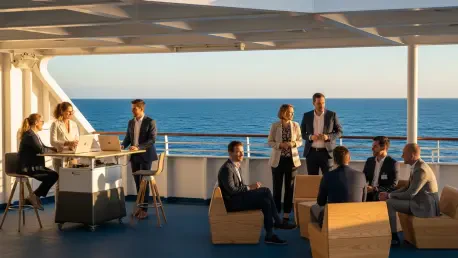
The journey reached a thematic crescendo at the port of Holyhead, where a surprise performance by a Welsh male voice choir provided a powerful emotional resonance that traditional airport arrivals simply cannot replicate. This moment served as a live demonstration of how regional identity can be used to anchor the delegate experience in a specific place and time, creating a lasting memory before the primary destination is even reached. During the subsequent ferry crossing, the open sea air and expansive horizons were utilized as a unique venue for professional development workshops focusing on the psychology of arrival. These sessions explored how the physical and emotional state of a delegate upon arrival dictates their level of engagement for the remainder of the event. By treating the Irish Sea as a floating classroom, the organizers highlighted a growing industry trend where the movement of people is used to foster anticipation and shared identity, effectively turning the journey into a highly effective opening act.
Urban Authenticity: Redefining the Dublin Delegate Experience
Upon arriving in Dublin, the program shifted its focus toward urban authenticity by prioritizing human-scale interaction over the standard practice of using motorized coach transfers for every movement within the city. Planners were encouraged to explore the capital on foot, a strategy that allowed them to gain a much deeper and more intimate perspective on the city’s cultural landscape and ongoing urban regeneration efforts. This approach ensured that the delegates were not insulated from the local environment but were instead active participants in the daily rhythm of the streets. A key highlight at the Convention Centre Dublin involved a contemporary reimagining of the traditional Molly Malone narrative, demonstrating how local heritage can be updated to remain commercially relevant while still honoring its historical soul. By avoiding the typical bubble of luxury transport, the initiative allowed participants to feel the energy of the city, proving that the most memorable delegate experiences often occur in the spaces between the official sessions and venues.
To further reduce the environmental impact of the urban phase, the organizers implemented tactile sustainability measures that replaced mass-produced branded collateral with meaningful local engagement. Delegates visited Jando, a B-Corp-certified studio, where they participated in the screen-printing of their own tote bags, effectively supporting local craft while eliminating the waste associated with standard event swag. This focus on craftsmanship extended to the Teeling Whiskey Distillery and local pubs, where the art of the slow pour was presented not just as a social activity but as a lesson in the core tenets of sustainable philosophy. These experiences emphasized the importance of slowing down and appreciating the process, which is essential for fostering deep connection in a high-speed world. By integrating these social dimensions of sustainability, the Dublin itinerary proved that urban events can actively contribute to the local economy and preserve cultural integrity while providing delegates with a high-quality, sensory-rich experience that feels authentic.
Deep Sustainability: Heritage and Wellness in the Kingdom of Kerry
The transition to the Kerry region marked a move toward what is known as deep sustainability, an approach where environmental stewardship and cultural preservation intersect to create a more profound impact. In Killarney National Park, the group abandoned traditional vehicles in favor of open boats on the lakes and horse-drawn jaunting cars, utilizing the natural landscape to drive delegate wellness and mental clarity. A wellbeing session held amidst the ruins of an ancient monastery on Innisfallen Island served as a powerful example of how historical sites can be used to foster fresh thinking and reflection outside of a traditional boardroom setting. This strategy highlighted the therapeutic potential of the Irish landscape, suggesting that the future of event planning lies in environments that actively support the cognitive health of attendees. By removing the barriers between the delegates and the natural world, the Kerry phase of the trip demonstrated how regional destinations can leverage their unique geography to create high-impact, low-carbon programs.
Social sustainability and the preservation of intergenerational knowledge were also central themes during the exploration of the Kerry countryside. At Muckross Farm, the act of churning butter and engaging with local artisans highlighted the critical importance of passing on traditional wisdom to ensure that tourism supports the local population and preserves their way of life. These activities provided a concrete example of how modern events can be designed to honor the past while looking toward the future, ensuring that the presence of international delegates leaves a positive legacy within the host community. Furthermore, the inclusion of handmade ceramic coffee cups from Grounded Pottery underscored the Killarney Coffee Cups initiative, a local movement dedicated to the total elimination of single-use waste. This demonstrated that events do not have to exist in isolation but can instead become active contributors to a destination’s pre-existing sustainability goals, proving that the most successful programs are those that align with the values and efforts of the local people.
Strategic Validation: Measuring the Success of Slow Travel
The final phase of the Ireland Overland journey involved a return flight to the United Kingdom, which allowed the participating planners to directly compare the psychological and physical impact of slow travel against the efficiency of air travel. This comparison led to a clear consensus that while air travel offers speed, the slow-travel model provides a much higher level of value-led planning and delegate satisfaction. Planners noted that the ability to feel a destination’s culture and integrity is becoming far more important than merely assessing technical capacities such as bed nights or available square footage. The experience validated the idea that the most successful events in the future will be those that prioritize meaningful connection and environmental accountability over logistics alone. This shift in perspective reflects a broader industry movement where the value of an event is measured by the quality of the engagement and the legacy it leaves behind, rather than just the immediate convenience or the financial bottom line of the organizers.
Ultimately, the Ireland Overland initiative established a rigorous, data-driven blueprint for the future of global event planning by proving that sustainable choices could be accurately measured and replicated. The program earned a prestigious Platinum rating for Holistic Sustainability, a distinction that placed it within the top 1% of all evaluated events globally. This achievement was supported by the use of advanced carbon calculators and independent consultancies, which provided a factual baseline for assessing environmental impact. Moving forward, the project demonstrated that the transition to a conscious methodology required a shift from logistics-led thinking to value-led strategy. Planners who participated in the journey recognized that incorporating local makers and wellbeing partners was the most effective way to foster lasting connections. By focusing on cultural integrity and environmental stewardship, the initiative showed that the events industry was ready to adopt a high-quality, slow-paced methodology that benefitted both the delegates and the planet, offering a sustainable path for all future global gatherings.